1st Trimester of Pregnancy: What Should You Know?

Importance of Iron in Pregnancy: Benefits and Daily Needs
May 16, 2026
Follow These Simple Tips to Stay Hearty and Healthy in Pregnancy
May 27, 2026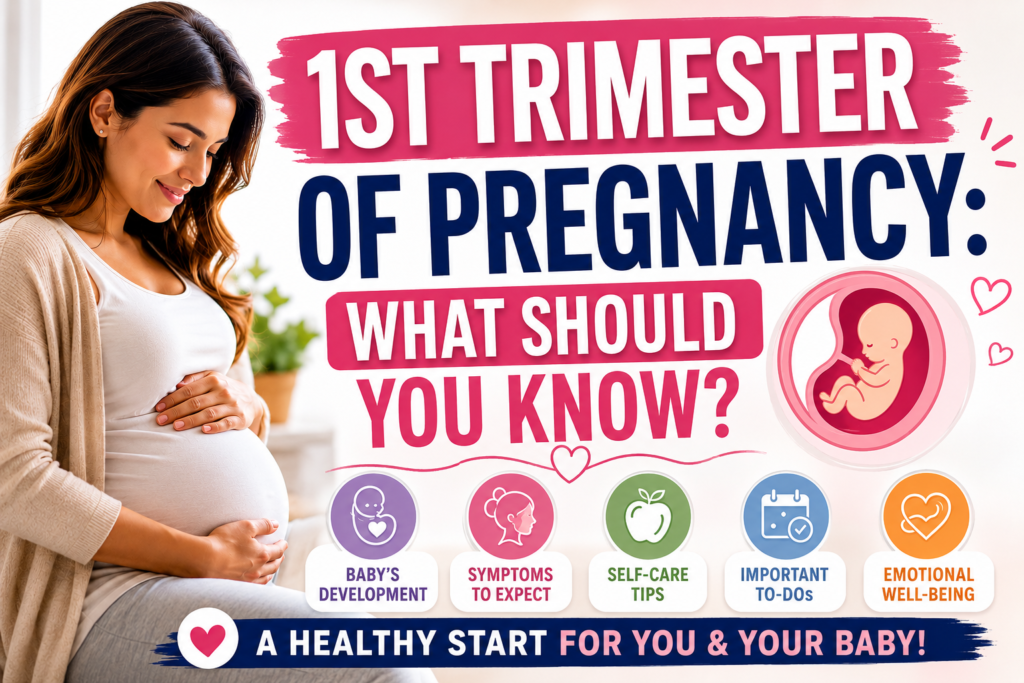
The first trimester of pregnancy is one of the most important phases in a woman’s journey to motherhood. It covers the first 12 weeks of pregnancy and brings major physical, emotional, and hormonal changes. During this stage, the baby’s organs begin to develop, and the mother’s body starts adapting to support new life. Understanding what happens during the first trimester can help expecting mothers stay healthy, confident, and prepared.
What Is the First Trimester?
The first trimester begins from week 1 and continues until the end of week 12. Although many women may not realize they are pregnant during the initial weeks, this period is crucial for fetal development. The fertilized egg implants into the uterus, and the baby’s brain, heart, spinal cord, and other organs start forming rapidly.
Many women experience a mix of excitement and anxiety during this phase. Proper care, healthy habits, and regular medical checkups can make this journey smoother and safer.
Early Signs of Pregnancy
Every woman experiences pregnancy differently, but some common symptoms often appear during the first trimester:
1. Missed Period
A missed menstrual cycle is usually the first sign of pregnancy. Women with regular cycles often notice this symptom early.
2. Morning Sickness
Nausea and vomiting are very common during the first trimester. Despite the name, morning sickness can happen at any time of the day.
3. Fatigue
Hormonal changes increase tiredness and make many women feel exhausted even after enough rest.
4. Breast Tenderness
Hormonal fluctuations may cause swelling, soreness, or sensitivity in the breasts.
5. Frequent Urination
As the uterus grows and hormones change, women may feel the need to urinate more often.
6. Mood Swings
Rapid hormonal changes can affect emotions and mood.
Baby’s Development During the First Trimester
The first trimester is a time of rapid growth and development for the baby.
Weeks 1–4
- Fertilization takes place.
- The embryo implants into the uterine wall.
- The placenta begins forming.
Weeks 5–8
- The baby’s heart starts beating.
- Tiny arms, legs, eyes, and ears begin developing.
- Brain and spinal cord formation starts.
Weeks 9–12
- Fingers and toes become more defined.
- Facial features start forming.
- Major organs continue developing.
By the end of the first trimester, the baby is about the size of a lime and has started moving, although the mother may not feel it yet.
Important Medical Checkups
Regular prenatal visits are essential during pregnancy. Doctors usually recommend:
- Blood tests
- Urine tests
- Ultrasound scans
- Blood pressure monitoring
- Weight checks
These examinations help track the baby’s development and detect any possible complications early.
Women looking for expert Pregnancy Care in Sector 102 Gurgaon should choose experienced healthcare professionals who provide personalized prenatal guidance and regular monitoring throughout pregnancy.
Nutrition During the First Trimester
Healthy eating is extremely important because the baby depends entirely on the mother for nutrition.
Foods to Include
1. Folic Acid-Rich Foods
Folic acid helps prevent neural tube defects. Include:
- Spinach
- Broccoli
- Lentils
- Citrus fruits
2. Protein
Protein supports tissue growth and development.
- Eggs
- Dairy products
- Beans
- Lean meat
3. Calcium
Calcium strengthens bones and teeth.
- Milk
- Yogurt
- Cheese
4. Iron
Iron prevents anemia and supports oxygen supply.
- Green leafy vegetables
- Dates
- Nuts
- Iron-rich cereals
5. Hydration
Drink plenty of water to stay hydrated and reduce fatigue.
Foods to Avoid
Certain foods may increase health risks during pregnancy.
- Raw or undercooked meat
- Unpasteurized dairy products
- Excess caffeine
- Alcohol
- Processed junk food
- High-mercury fish
Avoiding unhealthy foods helps reduce the risk of infections and complications.
Common Challenges During the First Trimester
Morning Sickness
Small and frequent meals can help reduce nausea. Ginger tea and dry crackers may also provide relief.
Constipation
Hormonal changes slow digestion. Eating fiber-rich foods and drinking water can improve bowel movements.
Heartburn
Avoid spicy or oily foods and eat smaller meals.
Emotional Stress
Mood changes are common. Emotional support from family and proper rest can help maintain mental well-being.
Exercise and Physical Activity
Light exercise during pregnancy offers many benefits, including improved mood, better circulation, and reduced stress.
Safe Activities
- Walking
- Prenatal yoga
- Stretching
- Breathing exercises
However, always consult a healthcare provider before starting any exercise routine.
Importance of Rest and Sleep
The body works harder during pregnancy, making rest essential. Pregnant women should:
- Sleep for at least 7–8 hours
- Avoid excessive physical strain
- Take short breaks during the day
Good sleep improves both physical and emotional health.
Mental Health During Pregnancy
The first trimester can feel emotionally overwhelming. Anxiety about the baby, body changes, and future responsibilities is natural. Talking to loved ones, practicing relaxation techniques, and staying informed can reduce stress.
If feelings of sadness or anxiety become severe, seeking professional support is important.
Warning Signs You Should Never Ignore
Some symptoms require immediate medical attention:
- Heavy bleeding
- Severe abdominal pain
- High fever
- Persistent vomiting
- Dizziness or fainting
- Severe headaches
Consult a doctor immediately if any of these symptoms occur.
Tips for a Healthy First Trimester
1. Take Prenatal Vitamins
Doctors often recommend prenatal supplements containing folic acid, iron, and calcium.
2. Attend Regular Checkups
Never skip prenatal appointments.
3. Stay Active
Moderate activity supports overall health.
4. Avoid Smoking and Alcohol
These substances can harm the baby’s development.
5. Maintain a Positive Environment
Surround yourself with supportive people and reduce unnecessary stress.
Lifestyle Changes During Pregnancy
Pregnancy often requires changes in daily habits. Women should:
- Reduce caffeine intake
- Avoid self-medication
- Maintain hygiene
- Follow a balanced routine
Simple lifestyle adjustments contribute significantly to maternal and fetal health.
Role of Family Support
Family support plays a major role in a healthy pregnancy journey. Emotional encouragement, help with daily tasks, and understanding from loved ones can make expecting mothers feel more comfortable and confident.
Partners should actively participate in doctor visits and discussions about pregnancy care.
Preparing for the Next Trimester
As the first trimester ends, many women notice reduced nausea and increased energy. The second trimester is often considered the most comfortable stage of pregnancy.
Preparing ahead includes:
- Continuing healthy eating
- Planning future medical visits
- Learning about childbirth and parenting
- Maintaining physical and emotional wellness
Conclusion
The first trimester is a critical stage filled with rapid changes for both mother and baby. Understanding the symptoms, nutritional needs, lifestyle adjustments, and medical care requirements can help women enjoy a healthier pregnancy journey. Proper rest, balanced nutrition, emotional well-being, and regular prenatal checkups are the foundations of a safe and healthy pregnancy.
Every pregnancy is unique, so listening to your body and consulting healthcare professionals whenever needed is essential. With the right care and awareness, the first trimester can become a positive and memorable beginning to motherhood.