Preconception Care: How to Prepare Your Body for Pregnancy

Infertility in Women: Causes, Diagnosis & Treatment
October 6, 2026
How to Improve Your Chances of Getting Pregnant: A Practical Guide
October 12, 2026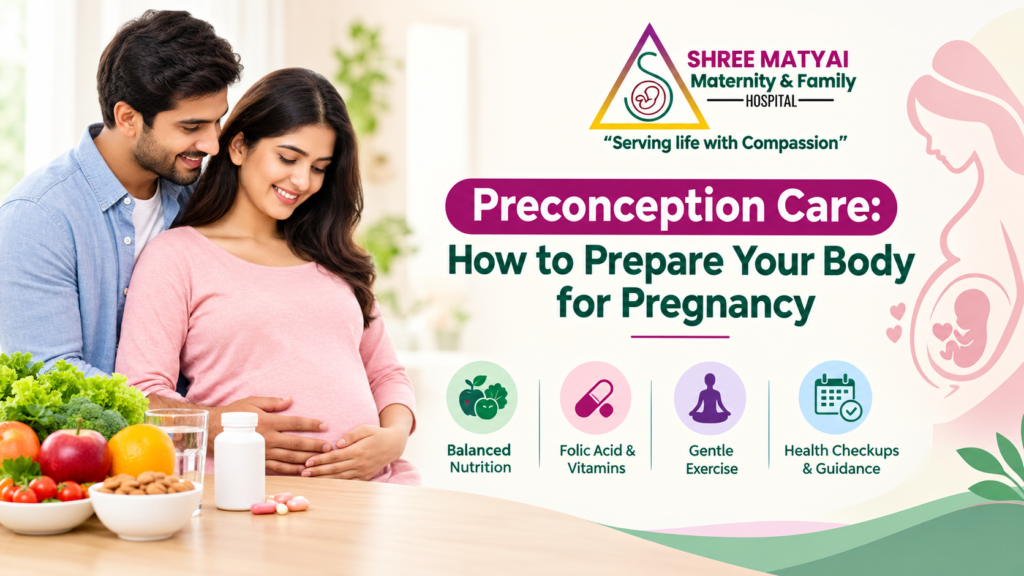
Planning to have a baby is an important life decision, and preparing your health before conception can support a healthier pregnancy. Preconception care focuses on improving physical health, reviewing medical conditions, assessing medications, updating vaccinations, and building healthy lifestyle habits before pregnancy. For personalized guidance, families can consult Shree Matyai Hospital and explore Pregnancy Care in Sector 102 Gurgaon for professional support.
Preconception Care: Why Preparation Matters Before Pregnancy
Good health before conception can influence pregnancy and maternal well-being. Some important changes need to begin before a positive pregnancy test because early fetal development starts within the first weeks of pregnancy.
The CDC recommends discussing health conditions, medications, vaccinations, lifestyle habits, and pregnancy planning with a healthcare professional before conception.
Preparation is not about achieving perfect health. Instead, it means identifying potential risks early and taking practical steps to create a healthier foundation for pregnancy.
What Should You Discuss With Your Doctor?
During a pre-pregnancy appointment, discuss:
- Existing medical conditions such as diabetes, thyroid disorders, hypertension, or anemia
- Current prescription and over-the-counter medicines
- Vitamins, supplements, and herbal products
- Previous pregnancies and pregnancy complications
- Menstrual and reproductive health
- Family and genetic history
- Vaccination status
- Lifestyle, nutrition, exercise, and mental well-being
Never stop a prescribed medicine on your own. Your doctor can determine whether a medicine is appropriate when planning pregnancy or whether an alternative is needed.
How to Start Preconception Care at Home
You can begin preparing for pregnancy by making small, sustainable changes to your daily routine. A balanced diet, regular physical activity, adequate sleep, and avoidance of tobacco and alcohol can contribute to better overall health.
Build a Balanced, Nutrient-Rich Diet
Choose a variety of vegetables, fruits, whole grains, pulses, dairy or suitable alternatives, lean proteins, nuts, and healthy fats. Include foods naturally rich in folate, such as leafy green vegetables and beans.
Nutrition needs vary from person to person, so avoid following restrictive diets or taking high-dose supplements without medical advice.
Start Folic Acid Before Conception
For most women who can become pregnant, the CDC recommends 400 micrograms of folic acid daily. Starting at least one month before conception helps ensure adequate folic acid during the earliest stages of pregnancy and reduces the risk of neural tube defects.
Some people may need a different dose because of specific medical or pregnancy histories. Ask your healthcare professional which prenatal vitamin or folic acid supplement is appropriate for you.
Maintain a Healthy Lifestyle Before Pregnancy
Lifestyle choices can have an important role in reproductive and pregnancy health. The goal should be consistency rather than sudden, extreme changes.
Stay Physically Active
Regular moderate activity can support cardiovascular fitness, muscle strength, energy, and healthy weight management. Activities such as walking, swimming, cycling, or pregnancy-appropriate exercise can be considered based on your current fitness level.
If you have a medical condition or have not exercised regularly, ask your healthcare provider before beginning an intensive exercise program.
Avoid Smoking, Alcohol, and Recreational Drugs
Avoiding tobacco, nicotine products, alcohol, and recreational drugs is an important part of preparing for pregnancy. These exposures can increase pregnancy risks, including problems with fetal development and birth outcomes.
If stopping tobacco, alcohol, or substance use is difficult, seek professional support rather than trying to manage it alone.
Prioritize Sleep and Mental Well-Being
Pregnancy planning can sometimes bring excitement, uncertainty, or stress. Aim for a regular sleep schedule and make time for relaxation, social support, and activities that help you manage stress.
Persistent anxiety, depression, or emotional distress deserves professional attention. Mental health is an important part of overall reproductive health and should be discussed openly with a healthcare provider.
Review Vaccinations and Medical Conditions
Before conception, check whether your vaccinations are up to date. Some vaccines may need to be given before pregnancy because certain vaccines are not routinely administered during pregnancy. Your healthcare provider can review your vaccination history and recommend appropriate timing.
Existing conditions should also be brought under good control before conception where possible. For example, people with diabetes may need careful blood glucose management before pregnancy. Other conditions, including thyroid problems, hypertension, epilepsy, or anemia, may also require treatment adjustments.
This is where Shree Matyai Hospital can provide an opportunity for personalized discussion based on your medical history, current health, and pregnancy goals.
Check Medicines, Supplements, and Environmental Risks
Not every medicine or supplement is suitable when planning pregnancy. Make a complete list of everything you take and share it with your healthcare provider.
This includes:
- Prescription medicines
- Pain relievers and other over-the-counter medicines
- Vitamins and minerals
- Herbal or Ayurvedic products
- Weight-loss or fitness supplements
Also consider exposure to chemicals, pesticides, certain metals, workplace hazards, and animal waste. Appropriate precautions can reduce unnecessary exposure to potentially harmful substances.
Prepare for Pregnancy With Practical Planning
Preparing your body is only one part of getting ready for pregnancy. Practical planning can make the transition into pregnancy smoother.
Consider tracking your menstrual cycle, understanding your fertile window, arranging health appointments, reviewing health insurance or maternity benefits, and discussing pregnancy plans with your partner.
If you have been trying to conceive without success, have irregular periods, have a history of recurrent pregnancy loss, or have concerns about fertility, speak with a gynecologist rather than relying only on online advice.
Quick Preconception Checklist
Before trying to conceive, consider these key steps:
- Schedule a pre-pregnancy health consultation.
- Review existing medical conditions and medications.
- Take the recommended amount of folic acid.
- Eat a balanced and nutrient-rich diet.
- Maintain regular physical activity.
- Avoid smoking, alcohol, and recreational drugs.
- Review vaccinations with your healthcare provider.
- Prioritize healthy sleep and mental well-being.
- Discuss family and genetic history when relevant.
- Reduce avoidable exposure to harmful chemicals.
When Should You Seek Professional Advice?
Ideally, speak with a healthcare professional before actively trying to conceive, particularly if you have a chronic medical condition, take regular medication, have experienced pregnancy complications, or have concerns about fertility.
A personalized consultation allows your doctor to identify factors that may need attention and create a plan suited to your age, medical history, lifestyle, and reproductive goals. Preconception care is therefore not simply about taking supplements; it is a broader approach to optimizing health before pregnancy.
Conclusion
Preparing for pregnancy can begin months before conception through healthier nutrition, appropriate supplementation, medical reviews, vaccination planning, physical activity, and positive lifestyle changes. Preconception care gives you an opportunity to identify potential concerns early and make informed decisions before pregnancy begins.
For families looking for professional guidance, Shree Matyai Hospital can support pregnancy planning and maternal health needs. Learn more about Maternity Hospital in Sector 102 Gurgaon and discuss your individual pregnancy goals with a qualified healthcare professional.
FAQs
1. When should I start preparing for pregnancy?
Ideally, begin preparing at least one month before trying to conceive, or earlier if you have a medical condition or take regular medicines.
2. How much folic acid should I take before pregnancy?
For most women who can become pregnant, 400 micrograms of folic acid daily is recommended. Some individuals may need a different dose based on their medical history.
3. Should I stop taking my regular medicines before pregnancy?
No. Do not stop prescribed medicines without medical advice. Your healthcare provider can review your medicines and make appropriate changes.
4. Is exercise safe while preparing for pregnancy?
Regular moderate physical activity is generally beneficial, but the appropriate exercise routine depends on your health and fitness level.
5. Why is a pre-pregnancy doctor visit important?
It allows you to review medical conditions, medications, vaccinations, nutrition, lifestyle factors, and other issues that may affect pregnancy.