Complete Post-Delivery Care Guide for Mothers and Newborn Babies

Menopause Symptoms: Hormonal Changes, Signs & Effective Management
July 29, 2026
Is Severe Menstrual Pain: Causes, Symptoms & When to See a Doctor
August 7, 2026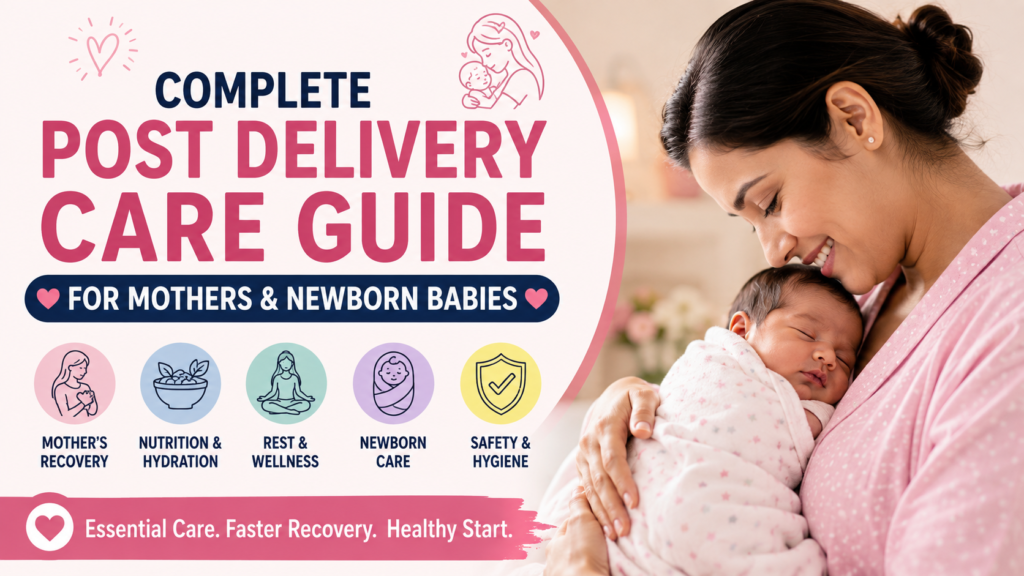
The days and weeks after childbirth are a time of recovery, adjustment, and learning for every family. A proper guide for mothers helps women recover physically and emotionally, while a reliable guide for newborn babies supports healthy growth during the first few weeks of life. Understanding what to expect after delivery can reduce stress, prevent complications, and build confidence in caring for both mother and baby.
See More: Importance of Iron in Pregnancy: Benefits and Daily Needs
Why Post-Delivery Care Is Important
Postpartum care focuses on helping the mother’s body heal while ensuring the newborn receives proper nutrition, warmth, hygiene, and medical attention. Recovery after childbirth varies depending on whether the delivery was vaginal or by cesarean section, but every mother benefits from adequate rest, nutritious food, hydration, and regular medical follow-ups.
Likewise, newborn babies need continuous monitoring during the first month to ensure they are feeding well, gaining weight, and meeting early developmental milestones. Following a trusted guide for mothers and a guide for newborn babies can make this transition smoother and healthier.

Essential Physical Recovery for Mothers
The first six weeks after delivery are crucial for healing. Mothers should focus on gradual recovery rather than rushing back into normal routines.
Important recovery tips include:
- Get enough sleep whenever possible.
- Eat balanced meals rich in protein, iron, calcium, and vitamins.
- Drink plenty of water to stay hydrated.
- Maintain personal hygiene to reduce infection risk.
- Attend all scheduled postpartum check-ups.
Women should also monitor symptoms such as heavy bleeding, severe pain, fever, or unusual discharge, as these may require immediate medical evaluation. A comprehensive guide for mothers encourages early recognition of warning signs and timely medical care.
Nutrition After Delivery
A healthy diet supports faster healing and improves energy levels. Breastfeeding mothers require additional calories and nutrients to meet both their own nutritional needs and those of their baby.
Recommended foods include:
- Fresh fruits and vegetables
- Whole grains
- Lean proteins
- Dairy products
- Healthy fats from nuts and seeds
Avoid excessive processed foods, sugary drinks, and alcohol. Proper nutrition also contributes to better breast milk production and overall well-being.
Women looking for expert support during pregnancy and postpartum can also explore services related to pregnancy care in Sector 102 Gurgaon, where healthcare professionals provide personalized guidance throughout motherhood.
Newborn Baby Care Essentials
Every newborn requires gentle, consistent care during the first few weeks of life. A practical guide for newborn babies begins with understanding basic daily needs.
Parents should focus on:
- Feeding the baby every 2–3 hours or as advised.
- Keeping the baby warm without overheating.
- Cleaning the umbilical cord stump until it naturally falls off.
- Changing diapers frequently.
- Following the recommended vaccination schedule.
Newborns communicate mainly through crying, sleeping, and feeding patterns. Learning these early cues helps parents respond appropriately and build a strong bond.
See More: 5 Essential Fluids in Pregnancy for a Healthy Mother and Baby
Breastfeeding and Feeding Guidance
Breast milk provides ideal nutrition for most newborns and contains antibodies that strengthen immunity. Mothers should initiate breastfeeding as early as possible after birth whenever medically appropriate.
Helpful breastfeeding practices include:
- Ensuring proper latch and positioning.
- Feeding on demand rather than on a strict schedule.
- Staying hydrated.
- Seeking professional lactation support if difficulties arise.
A reliable guide for mothers also reminds families that every breastfeeding journey is unique. Formula feeding may be recommended in certain medical situations under professional supervision.
Emotional Health After Childbirth
Physical recovery is only one part of postpartum care. Emotional well-being deserves equal attention.
Mood changes are common due to hormonal fluctuations, sleep deprivation, and lifestyle adjustments. Many mothers experience temporary “baby blues,” but persistent sadness, anxiety, hopelessness, or difficulty bonding with the baby may indicate postpartum depression.
Family members should encourage open communication and provide practical support. Professional mental health care should be sought if symptoms continue beyond two weeks or interfere with daily life. An updated guide for mothers always includes emotional wellness alongside physical recovery.
Safe Sleeping and Hygiene for Newborns
A dependable guide for newborn babies emphasizes safe sleep practices because they significantly reduce health risks.
Parents should:
- Always place babies on their backs for sleep.
- Use a firm mattress without pillows or loose blankets.
- Maintain a smoke-free environment.
- Wash hands before handling the baby.
- Bathe the newborn only after receiving appropriate medical guidance.
Maintaining proper hygiene helps reduce infections while supporting healthy skin and overall comfort.
When to Contact a Doctor
Do not delay medical attention if either the mother or baby develops concerning symptoms.
Seek immediate medical care if the mother experiences:
- Heavy or persistent bleeding
- High fever
- Severe abdominal pain
- Difficulty breathing
- Signs of wound infection
For newborns, consult a healthcare provider if there is:
- Poor feeding
- Persistent fever
- Difficulty breathing
- Yellowing of the skin that worsens
- Extreme sleepiness or unusual irritability
Choosing an experienced Maternity Hospital in Sector 102 Gurgaon ensures timely postpartum support, newborn evaluations, breastfeeding assistance, and routine follow-up care for both mother and child.
Quick Takeaways
- Prioritize rest, hydration, and nutritious meals during recovery.
- Follow scheduled postpartum and newborn medical check-ups.
- Practice safe breastfeeding and newborn hygiene.
- Monitor both mother and baby for warning signs.
- Seek emotional support whenever needed.
- Refer to trusted educational resources and your healthcare provider for ongoing guidance.
You can also explore related resources on breastfeeding, newborn vaccination schedules, postpartum nutrition, cesarean recovery, newborn sleep safety, and infant development to build a complete understanding of post-delivery care.
Conclusion
The postpartum period is a time of healing, adjustment, and new beginnings. Following a trusted guide for mothers empowers women to recover safely while caring confidently for their babies. At the same time, a comprehensive guide for newborn babies helps parents understand feeding, hygiene, sleep, and early health needs during this important stage.
With regular medical follow-ups, balanced nutrition, emotional support, and informed parenting, families can create a healthy foundation for both mother and child while enjoying the precious first weeks together.