Ovarian Cyst: Causes, Symptoms, Diagnosis & Treatment Guide

What Is Fibroids? A Complete Guide to Causes, Symptoms, and Treatment
April 22, 2026
Is IVF Safe? A Complete Guide for Couples
April 28, 2026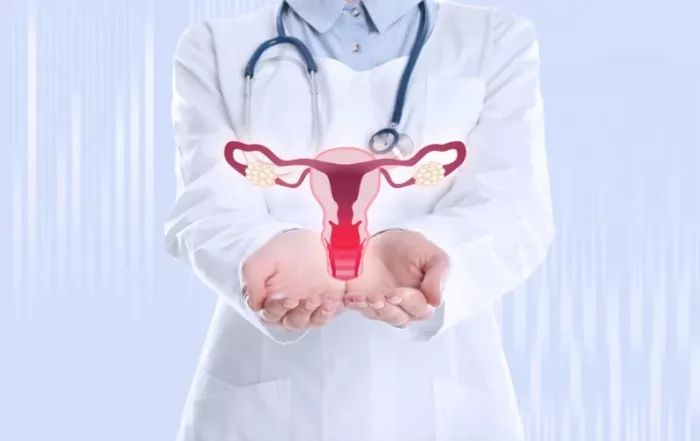
Ovarian cysts are a common health condition affecting many women at different stages of life. While most ovarian cysts are harmless and resolve on their own, some may cause discomfort or require medical attention. Understanding what ovarian cysts are, their causes, symptoms, and treatment options can help women take better care of their reproductive health.
In this comprehensive guide, we will explore everything you need to know about ovarian cysts in simple and easy-to-understand language.
What is an Ovarian Cyst?
An ovarian cyst is a fluid-filled sac that develops on or inside an ovary. The ovaries are part of the female reproductive system and play a crucial role in producing eggs and hormones like estrogen and progesterone.
Most ovarian cysts are functional cysts, meaning they form as a part of the normal menstrual cycle and usually disappear without treatment. However, in some cases, cysts may grow larger, cause pain, or lead to complications.
Types of Ovarian Cysts
There are several types of ovarian cysts, and understanding them helps in proper diagnosis and treatment:
1. Functional Cysts
These are the most common and usually harmless.
- Follicular cyst – Forms when the follicle doesn’t release an egg.
- Corpus luteum cyst – Occurs after the egg is released and fluid builds up.
2. Dermoid Cysts
These are made up of different tissues like hair, skin, or teeth. They are usually benign but can grow large.
3. Cystadenomas
These develop on the outer surface of the ovary and may contain fluid or mucus.
4. Endometriomas
These are caused by endometriosis, where uterine tissue grows outside the uterus.
Causes of Ovarian Cysts
Ovarian cysts can develop due to several reasons, including:
- Hormonal imbalances
- Pregnancy
- Endometriosis
- Severe pelvic infections
- Previous history of ovarian cysts
Functional cysts often occur naturally during ovulation and are not usually a cause for concern.
Symptoms of Ovarian Cysts
In many cases, ovarian cysts do not cause noticeable symptoms. However, when symptoms appear, they may include:
- Pelvic pain (dull or sharp)
- Bloating or abdominal swelling
- Pain during intercourse
- Irregular menstrual cycles
- Frequent urge to urinate
- Difficulty emptying the bladder
If a cyst ruptures or twists (ovarian torsion), it can cause severe pain, nausea, and vomiting, which requires immediate medical attention.
When Should You See a Doctor?
It is important to consult a doctor if you experience:
- Sudden and severe abdominal pain
- Persistent pelvic discomfort
- Irregular periods
- Unexplained weight changes
- Pain during daily activities
Early diagnosis can prevent complications and ensure proper treatment.
Diagnosis of Ovarian Cysts
Doctors use several methods to diagnose ovarian cysts:
1. Pelvic Examination
A physical exam helps detect swelling or abnormalities in the ovaries.
2. Ultrasound
This is the most common test used to confirm the presence, size, and type of cyst.
3. CT Scan or MRI
These imaging tests provide more detailed information in complex cases.
4. Blood Tests
Tests like CA-125 may be done to rule out cancer in certain cases.
Treatment Options for Ovarian Cysts
The treatment depends on the type, size, and symptoms of the cyst.
1. Watchful Waiting
If the cyst is small and not causing symptoms, doctors may monitor it over time.
2. Medications
Hormonal contraceptives (birth control pills) may be prescribed to prevent new cysts from forming.
3. Surgery
Surgery may be required if:
- The cyst is large
- It causes severe pain
- It doesn’t go away
- There is suspicion of cancer
Types of surgery include:
- Laparoscopy – Minimally invasive surgery
- Laparotomy – Used for larger or more complex cysts
Complications of Ovarian Cysts
Although most cysts are harmless, complications can occur in rare cases:
1. Ovarian Torsion
A large cyst can cause the ovary to twist, cutting off blood supply.
2. Rupture
A cyst may burst, causing severe pain and internal bleeding.
3. Fertility Issues
Certain cysts, like endometriomas, may affect fertility.
Ovarian Cysts and Fertility
Most ovarian cysts do not affect fertility. In fact, functional cysts are part of the ovulation process. However, conditions like endometriosis or polycystic ovary syndrome (PCOS) may impact a woman’s ability to conceive.
If you are planning pregnancy and have been diagnosed with ovarian cysts, it is advisable to consult a specialist for proper guidance.
Prevention Tips
While not all ovarian cysts can be prevented, some steps can help reduce the risk:
- Maintain a healthy weight
- Follow a balanced diet
- Exercise regularly
- Manage stress
- Have regular gynecological checkups
Regular health checkups help in early detection and timely treatment.
Lifestyle and Home Care
Managing ovarian cysts also involves making healthy lifestyle choices:
- Use heat therapy for pain relief
- Stay hydrated
- Avoid excessive caffeine
- Practice yoga and relaxation techniques
These small changes can help manage symptoms and improve overall well-being.
Importance of Regular Checkups
Routine gynecological exams are essential for detecting ovarian cysts early. Even if you don’t have symptoms, regular screenings can help identify potential issues before they become serious.
If you are looking for expert care, consulting the Best Gynaecologist in Sector 102 Gurgaon can help ensure accurate diagnosis and effective treatment.
Myths About Ovarian Cysts
Let’s clear some common misconceptions:
Myth 1: All ovarian cysts are dangerous
Fact: Most are harmless and resolve naturally.
Myth 2: Ovarian cysts always require surgery
Fact: Many cysts disappear without treatment.
Myth 3: Only older women get ovarian cysts
Fact: Women of all ages can develop cysts.
Conclusion
Ovarian cysts are a common condition that most women may experience at some point in their lives. While they are usually harmless, understanding the symptoms and knowing when to seek medical help is crucial.
Early diagnosis, proper treatment, and a healthy lifestyle can help manage ovarian cysts effectively. Regular checkups and awareness play a key role in maintaining reproductive health.