What Is Fibroids? A Complete Guide to Causes, Symptoms, and Treatment

Essential Tips for Pregnant Women in Second Trimester
April 16, 2026
Ovarian Cyst: Causes, Symptoms, Diagnosis & Treatment Guide
April 24, 2026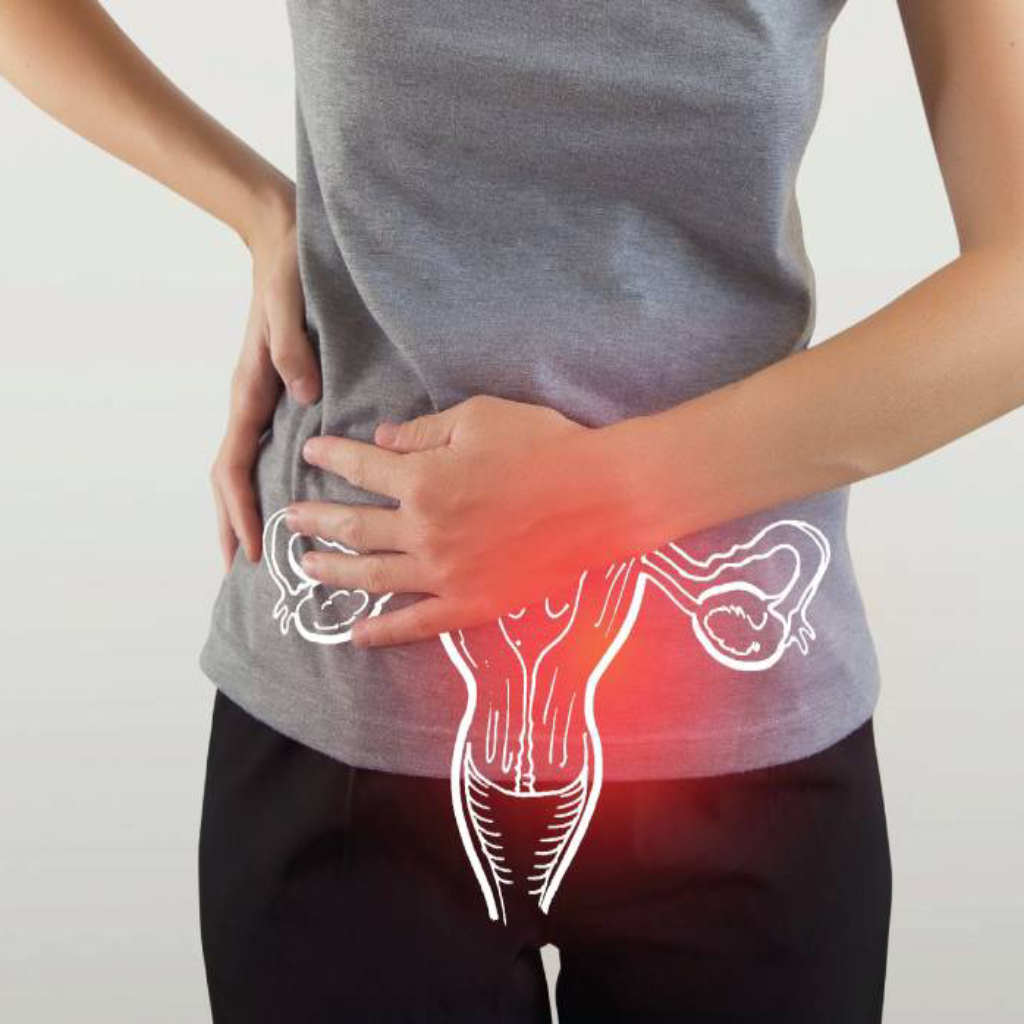
Fibroids are one of the most common health conditions affecting women, especially during their reproductive years. Despite being widespread, many women are unaware of what fibroids are, how they develop, and when they require treatment. Understanding fibroids can help in early diagnosis and better management, ensuring improved overall health and quality of life.
What Are Fibroids?
Uterine fibroids are non-cancerous growths that develop in or around the uterus (womb). They are also known as uterine leiomyomas or myomas. These growths are made up of muscle and fibrous tissue and can vary in size, from as small as a seed to as large as a melon.
Fibroids can occur as a single growth or multiple growths. In many cases, they do not cause any symptoms and are discovered accidentally during routine pelvic examinations or imaging tests.
Types of Fibroids
Fibroids are classified based on their location in the uterus:
1. Intramural Fibroids
These are the most common type and develop within the muscular wall of the uterus. They can cause the uterus to enlarge and may lead to heavy menstrual bleeding or pelvic pain.
2. Subserosal Fibroids
These fibroids grow on the outer surface of the uterus. They can press against nearby organs like the bladder or intestines, causing discomfort or frequent urination.
3. Submucosal Fibroids
These are less common but can cause significant symptoms. They grow just beneath the inner lining of the uterus and may lead to heavy menstrual bleeding and fertility issues.
4. Pedunculated Fibroids
These fibroids are attached to the uterus by a thin stalk and can develop either inside or outside the uterus.
Causes of Fibroids
The exact cause of fibroids is still unknown, but several factors are believed to contribute to their development:
1. Hormonal Influence
Hormones like estrogen and progesterone play a major role in the growth of fibroids. These hormones stimulate the uterine lining during each menstrual cycle and may promote fibroid growth.
2. Genetic Factors
If your mother or sister has had fibroids, you are more likely to develop them. Genetic changes in uterine muscle cells can also trigger fibroid formation.
3. Lifestyle Factors
Obesity, poor diet, and lack of exercise may increase the risk of developing fibroids. A diet high in red meat and low in green vegetables has also been linked to higher risk.
4. Age and Reproductive History
Fibroids are more common in women aged 30 to 50. They tend to shrink after menopause due to a decrease in hormone levels.
Symptoms of Fibroids
Many women with fibroids experience no symptoms. However, when symptoms do occur, they can vary depending on the size, number, and location of the fibroids.
Common symptoms include:
- Heavy or prolonged menstrual periods
- Pelvic pain or pressure
- Frequent urination
- Constipation
- Pain during intercourse
- Lower back pain
- Enlarged abdomen
In severe cases, fibroids can lead to anemia due to excessive blood loss.
How Fibroids Affect Fertility
Fibroids can sometimes interfere with fertility and pregnancy. Submucosal fibroids, in particular, can distort the uterine cavity and make it difficult for an embryo to implant.
However, not all fibroids cause fertility problems. Many women with fibroids can conceive and have healthy pregnancies. It is important to consult a specialist if you are trying to conceive and have been diagnosed with fibroids.
Diagnosis of Fibroids
Fibroids are usually diagnosed through:
1. Pelvic Examination
A doctor may feel irregularities in the shape of the uterus during a routine exam.
2. Ultrasound
This is the most common imaging test used to detect fibroids. It helps determine their size and location.
3. MRI (Magnetic Resonance Imaging)
MRI provides a more detailed view and is often used in complex cases.
4. Hysteroscopy
A thin, lighted instrument is inserted into the uterus to examine the inner lining.
Treatment Options for Fibroids
The treatment for fibroids depends on factors such as symptoms, size, location, and the patient’s age and desire for future pregnancy.
1. Watchful Waiting
If fibroids are small and not causing symptoms, doctors may recommend regular monitoring without immediate treatment.
2. Medications
Certain medications can help manage symptoms:
- Hormonal therapies to regulate menstrual cycles
- Pain relievers
- Drugs to shrink fibroids temporarily
3. Non-Surgical Procedures
Uterine Artery Embolization (UAE)
This procedure blocks blood flow to fibroids, causing them to shrink.
MRI-Guided Focused Ultrasound Surgery
A non-invasive technique that uses ultrasound waves to destroy fibroid tissue.
4. Surgical Treatments
Myomectomy
This surgery removes fibroids while preserving the uterus, making it suitable for women who wish to have children.
Hysterectomy
This involves removing the uterus entirely and is considered a permanent solution for fibroids.
Lifestyle Changes to Manage Fibroids
While lifestyle changes cannot eliminate fibroids, they can help manage symptoms and improve overall health:
- Maintain a healthy weight
- Eat a balanced diet rich in fruits and vegetables
- Exercise regularly
- Reduce stress levels
- Limit alcohol and caffeine intake
When to See a Doctor
You should consult a doctor if you experience:
- Heavy or painful periods
- Persistent pelvic pain
- Difficulty in conceiving
- Unexplained fatigue (possible anemia)
Early diagnosis can prevent complications and help in choosing the right treatment plan.
If you are experiencing symptoms or need expert consultation, it is important to visit a qualified specialist such as the Best Gynaecologist in Sector 102 Gurgaon for accurate diagnosis and personalized treatment.
Are Fibroids Cancerous?
Fibroids are almost always benign (non-cancerous). The risk of a fibroid becoming cancerous (a rare condition called leiomyosarcoma) is extremely low. However, regular check-ups are recommended to monitor any changes.
Prevention of Fibroids
There is no guaranteed way to prevent fibroids, but certain measures may reduce the risk:
- Maintain a healthy lifestyle
- Consume a nutrient-rich diet
- Manage hormonal balance
- Get regular health check-ups
Conclusion
Fibroids are a common yet manageable condition that affects many women worldwide. While they can cause discomfort and complications in some cases, many women live symptom-free lives with fibroids. Understanding the causes, symptoms, and treatment options is key to effective management.