Simple Weight Management Tips That Can Help Women with PCOS

Can PCOS Affect Fertility? Early Signs and Best Treatment Options
July 10, 2026
10 Best Foods That Can Support Breastfeeding Naturally
July 22, 2026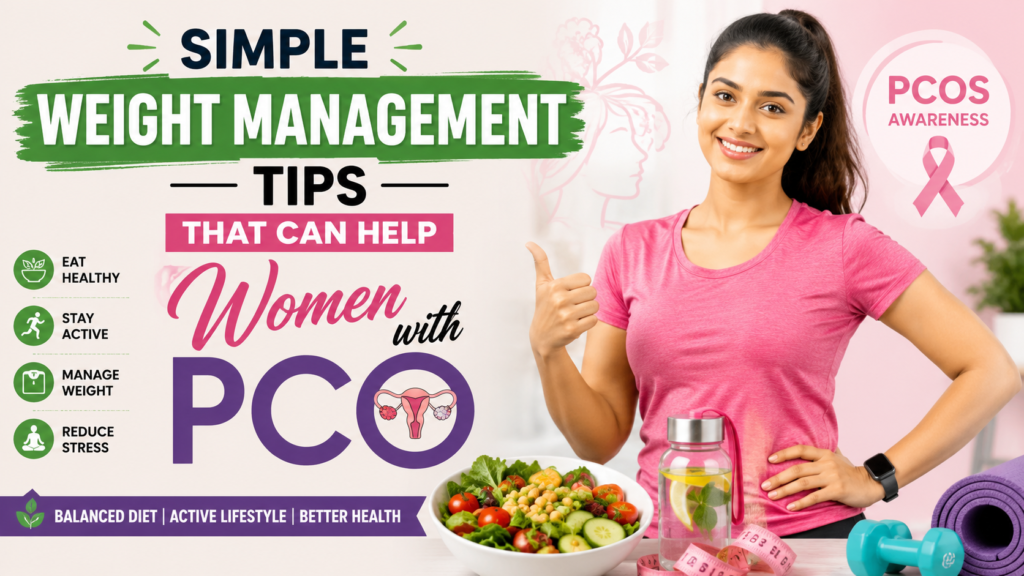
Polycystic Ovary Syndrome (PCOS) is one of the most common hormonal disorders affecting women of reproductive age. Along with irregular menstrual cycles, acne, and excessive hair growth, many women with PCOS find it difficult to manage their weight. This challenge is often linked to insulin resistance, hormonal imbalances, and metabolic changes rather than to a lack of willpower.
Maintaining a healthy weight can improve insulin sensitivity, regulate menstrual cycles, enhance fertility, and reduce the risk of long-term health complications such as type 2 diabetes and cardiovascular disease. If you’re looking for professional guidance regarding PCOS treatment in sector 102 gurgaon, consulting an experienced gynecologist and endocrinologist can help you receive a personalized treatment plan that combines lifestyle changes with medical care when necessary.
Why Is Weight Loss More Difficult with PCOS?
Women with PCOS often experience insulin resistance, where the body’s cells do not respond effectively to insulin. As a result, the body produces more insulin, which encourages fat storage and increases hunger. Hormonal imbalances involving testosterone, cortisol, and reproductive hormones can further slow weight loss.
READ MORE: Can PCOS Affect Fertility? Early Signs and Best Treatment Options
The good news is that even losing 5% to 10% of body weight can significantly improve hormone balance, menstrual regularity, fertility, and overall health. The focus should always be on sustainable lifestyle changes instead of quick-fix diets.
Start with a Balanced, Nutrient-Rich Diet
One of the most effective ways to manage weight with PCOS is by choosing foods that stabilize blood sugar levels. A balanced diet should include lean protein, fiber-rich vegetables, whole grains, healthy fats, and fresh fruits in moderation.
Protein helps keep you full for longer and reduces unhealthy cravings throughout the day. Fiber slows digestion and prevents sudden spikes in blood sugar. Healthy fats from nuts, seeds, olive oil, and avocados support hormone production while promoting satiety.
Avoiding highly processed foods, sugary beverages, refined carbohydrates, and excessive fast food can reduce inflammation and improve insulin sensitivity over time.
Never Skip Breakfast
Skipping breakfast may seem like a shortcut for reducing calories, but it often leads to overeating later in the day. A protein-rich breakfast helps regulate appetite and provides steady energy.
Options such as eggs with vegetables, Greek yogurt with seeds, oatmeal with nuts, or a homemade smoothie containing protein can support healthy metabolism throughout the day.

Focus on Portion Control Instead of Extreme Dieting
Crash diets rarely work for women with PCOS because they can slow metabolism and trigger stronger cravings. Instead of eliminating entire food groups, pay attention to portion sizes.
Eating slowly, using smaller plates, and recognizing hunger and fullness cues can naturally reduce calorie intake without making meals feel restrictive. Sustainable habits are far more successful than temporary diets.
Stay Physically Active Every Week
Exercise is one of the most powerful tools for managing PCOS. It improves insulin sensitivity, supports weight loss, reduces stress, and enhances overall well-being.
A combination of strength training, cardiovascular exercise, and flexibility workouts provides the best results. Strength training helps build lean muscle, which increases calorie burning even while resting. Walking, cycling, swimming, dancing, and jogging improve cardiovascular health and assist in maintaining a healthy weight.
Consistency matters more than intensity. Even 30 to 45 minutes of moderate exercise on most days can produce noticeable improvements over several months.
Prioritize Good Sleep
Poor sleep affects hormones that regulate hunger, appetite, and metabolism. Women with PCOS who consistently sleep less than seven hours may experience increased cravings and greater difficulty losing weight.
Creating a regular bedtime routine, limiting screen time before sleep, and maintaining a comfortable sleeping environment can improve sleep quality. Better sleep also supports hormone balance and reduces stress levels.
Manage Stress Effectively
Chronic stress increases cortisol levels, which may contribute to weight gain and worsen insulin resistance. Stress management should be considered an essential part of PCOS care.
Activities such as yoga, meditation, deep breathing exercises, journaling, gardening, or spending time outdoors can reduce stress naturally. Even short periods of relaxation each day may positively influence hormonal health.
Drink Enough Water Every Day
Hydration supports digestion, metabolism, and appetite regulation. Drinking water before meals may help reduce unnecessary calorie intake and prevent confusing thirst with hunger.
Replacing sugary drinks with water, herbal teas, or unsweetened beverages is a simple lifestyle change that supports long-term weight management while reducing added sugar consumption.
Choose Smart Snacks
Many women with PCOS experience cravings between meals due to fluctuating blood sugar levels. Choosing healthy snacks helps maintain stable energy throughout the day.
Good snack options include roasted chickpeas, unsalted nuts, fresh fruit paired with peanut butter, yogurt, boiled eggs, or vegetable sticks with hummus. These choices provide protein, fiber, and healthy fats that keep hunger under control.
Track Your Progress Beyond the Scale
Weight is only one measure of health. Improvements in energy levels, sleep quality, menstrual regularity, fitness, body measurements, and laboratory markers are equally important indicators of progress.
Keeping a journal of meals, physical activity, and symptoms can help identify patterns and maintain motivation during your health journey.
Don’t Ignore Medical Support
Lifestyle changes remain the foundation of PCOS management, but some women may also benefit from medications or nutritional supplements prescribed by healthcare professionals. Depending on individual needs, doctors may recommend treatments that improve insulin sensitivity, regulate menstrual cycles, or support fertility.
Regular health check-ups are important to monitor blood sugar, cholesterol, blood pressure, and hormonal health. If you’re planning pregnancy or experiencing PCOS-related complications, seeking care from a trusted maternity hospital in sector 102 gurgaon ensures comprehensive evaluation and coordinated treatment from specialists.

Quick Daily Habits That Make a Big Difference
Small daily improvements often create lasting results. Eating home-cooked meals more frequently, walking after meals, reducing sugary snacks, preparing healthy lunches in advance, practicing mindful eating, and staying consistent with physical activity are simple habits that become powerful over time.
Remember that progress may be gradual with PCOS, but consistency almost always delivers better outcomes than perfection.
Conclusion
Weight management with PCOS is not about following restrictive diets or chasing rapid results. It requires understanding how hormones, insulin resistance, nutrition, physical activity, sleep, and stress interact with each other.
By making sustainable lifestyle changes and seeking timely medical guidance when needed, women with PCOS can improve their overall health, regulate hormonal function, and achieve long-term weight management success.
Every small healthy choice made consistently contributes to better well-being, making lasting progress both realistic and achievable.