Hysterectomy Explained: Types, Benefits, Risks, and Recovery Guide

Ovarian Cyst Removal: Everything You Need to Know Before Surgery
July 2, 2026
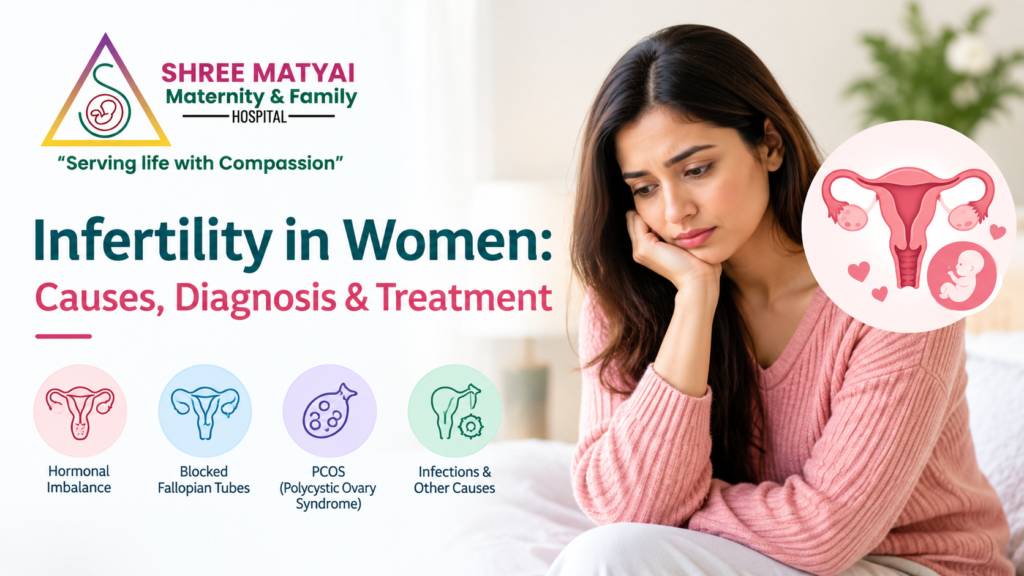
Can PCOS Affect Fertility? Early Signs and Best Treatment Options
July 10, 2026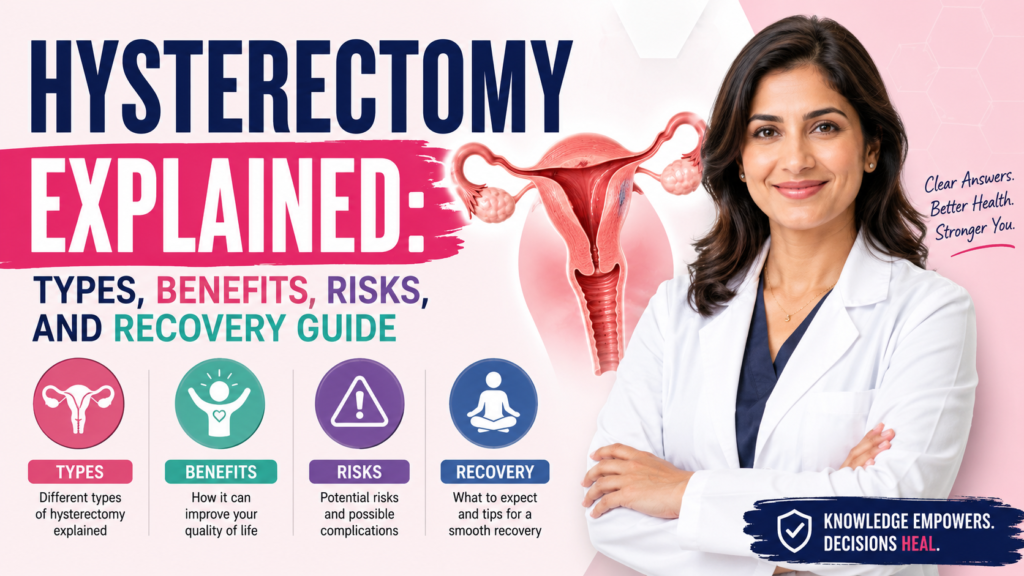
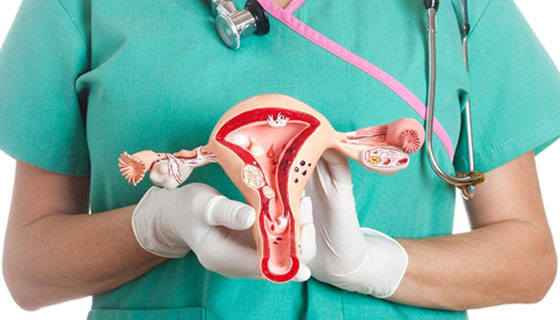
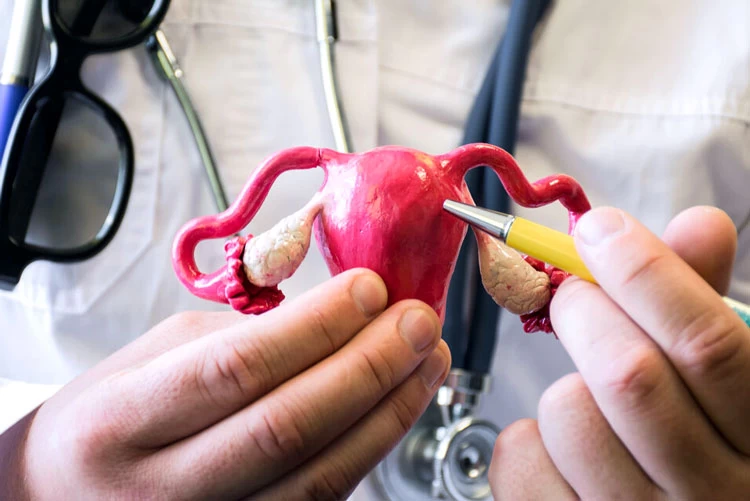
A hysterectomy is one of the most common gynecological surgeries performed worldwide. It involves the surgical removal of the uterus and may also include the removal of the cervix, ovaries, or fallopian tubes, depending on the patient’s medical condition.
While the procedure can provide long-term relief from several gynecological disorders, understanding the reasons, options, risks, and recovery process is essential before making a decision.
This comprehensive guide explains everything you need to know about hysterectomy, including the different surgical methods, recovery expectations, and hysterectomy surgery to help you make an informed healthcare choice.
What Is a Hysterectomy?
A hysterectomy is a surgical procedure performed to remove the uterus, making pregnancy impossible after surgery. It may be recommended when other treatments have not successfully managed certain medical conditions or when surgery offers the safest long-term solution.
Common conditions that may require a hysterectomy include:
- Large or symptomatic uterine fibroids
- Severe endometriosis
- Chronic pelvic pain linked to uterine disorders
- Heavy or prolonged menstrual bleeding
- Uterine prolapse
- Gynecologic cancers affecting the uterus, cervix, or ovaries
For many women, understanding the hysterectomy surgery alongside possible risks helps determine whether this procedure is the right treatment option.
Types of Hysterectomy
The type of hysterectomy depends on the underlying condition, age, future health considerations, and the surgeon’s recommendation.
1. Total Hysterectomy – A total hysterectomy removes both the uterus and cervix. This is the most commonly performed type and is recommended for many benign and cancer-related conditions.
2. Partial (Supracervical) Hysterectomy – This procedure removes only the upper portion of the uterus while preserving the cervix. It may be suitable in selected non-cancerous cases.
3. Radical Hysterectomy – Usually performed for gynecologic cancers, this surgery removes the uterus, cervix, surrounding tissues, and part of the vagina when necessary.
4. Hysterectomy with Removal of Ovaries – In some situations, the ovaries and fallopian tubes are removed along with the uterus to reduce disease recurrence or cancer risk.
Discussing the expected hysterectomy surgery with your gynecologist ensures the selected procedure aligns with your long-term health goals.
Surgical Approaches
Several surgical techniques are available depending on the patient’s condition and overall health.
- Abdominal hysterectomy: Performed through an incision in the lower abdomen.
- Vaginal hysterectomy: The uterus is removed through the vagina without external scars.
- Laparoscopic hysterectomy: A minimally invasive procedure using small incisions and a camera.
- Robotic-assisted hysterectomy: Uses robotic technology to improve surgical precision in selected cases.
Many women today prefer minimally invasive procedures because they generally involve smaller scars, reduced pain, and faster recovery.
Patients exploring advanced laparoscopic surgery in sector 102 gurgaon should consult experienced specialists to determine the most suitable approach for their condition.
Benefits of a Hysterectomy
The advantages of surgery vary based on the underlying medical problem and the patient’s overall health.
Some of the most important benefits of hysterectomy surgery include:
- Permanent relief from heavy menstrual bleeding
- Elimination of uterine fibroids causing pain or pressure
- Significant reduction in chronic pelvic discomfort
- Treatment for uterine prolapse
- Improved quality of life in severe endometriosis cases
- Effective management of certain gynecologic cancers
- Freedom from recurring uterine-related symptoms
For women whose daily activities have been affected by severe gynecological conditions, the long-term benefits of hysterectomy surgery often outweigh the temporary recovery period.
Potential Risks and Complications
Like every surgical procedure, hysterectomy carries certain risks that should be carefully discussed before surgery.
Possible complications include:
- Bleeding during or after surgery
- Infection
- Blood clots
- Injury to nearby organs such as the bladder or bowel
- Reactions to anesthesia
- Early menopause if both ovaries are removed
Although serious complications are uncommon when performed by experienced surgeons, understanding both the risks and benefits of hysterectomy surgery allows patients to make balanced, informed decisions.
Recovery Guide: What to Expect
Recovery depends on the surgical technique, age, and overall health.
Immediately After Surgery
Most patients remain under observation for one to several days, depending on the procedure. Pain medications, early walking, and hydration help reduce complications.
Recovery Timeline
- Week 1–2: Rest, gentle walking, and avoiding heavy lifting.
- Week 3–4: Increased mobility with gradual return to light daily activities.
- Week 4–6: Most minimally invasive surgery patients resume routine work.
- Week 6–8: Recovery from abdominal surgery is generally complete for many patients.
Following medical advice carefully helps maximize the benefits of hysterectomy surgery while minimizing recovery-related complications.
Tips for Faster Recovery
- Follow your prescribed medication schedule.
- Eat a protein-rich, balanced diet.
- Stay hydrated throughout recovery.
- Avoid lifting heavy objects.
- Walk daily as advised by your healthcare provider.
- Attend all follow-up appointments.
- Avoid smoking and excessive alcohol consumption.
These simple lifestyle measures support healing and help patients experience the full benefits of hysterectomy surgery over time.
When Should You Consult a Specialist?
Seek medical evaluation if you experience persistent heavy bleeding, severe pelvic pain, rapidly growing fibroids, or symptoms affecting your daily quality of life. Early diagnosis often expands treatment options and leads to better outcomes.
If you are searching for comprehensive women’s healthcare, choosing a trusted maternity hospital in sector 102 gurgaon with experienced gynecologists and modern surgical facilities can help ensure personalized treatment and safe postoperative care.
For readers interested in related women’s health topics, consider exploring articles on uterine fibroids, endometriosis treatment, minimally invasive gynecologic surgery, menstrual disorders, and menopause management to gain a broader understanding of reproductive health.
Quick Takeaways
- Hysterectomy removes the uterus to treat various gynecological conditions.
- Multiple surgical options are available, including minimally invasive techniques.
- Recovery time depends on the type of procedure performed.
- Understanding risks and realistic expectations is essential before surgery.
- Consulting an experienced gynecologist helps determine the best treatment approach for your individual needs.
Final Thoughts
A hysterectomy is a major medical decision that should always be based on a thorough evaluation, accurate diagnosis, and personalized medical advice.
For many women, the procedure offers lasting relief from chronic symptoms, improves daily comfort, and enhances overall quality of life.
Carefully weighing the potential risks against the benefits of hysterectomy surgery with a qualified specialist allows patients to choose the treatment path that best supports their long-term health and well-being.