Can PCOS Affect Fertility? Early Signs and Best Treatment Options

Hysterectomy Explained: Types, Benefits, Risks, and Recovery Guide
July 4, 2026
Simple Weight Management Tips That Can Help Women with PCOS
July 14, 2026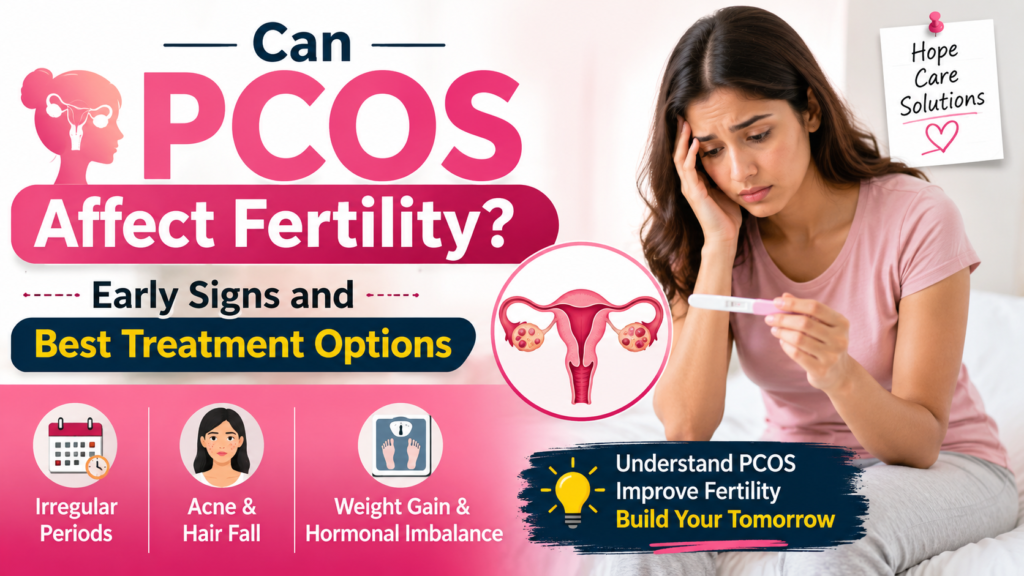
Polycystic Ovary Syndrome (PCOS) is one of the most common hormonal disorders affecting women of reproductive age. Many women worry whether PCOS affects fertility and if becoming pregnant is still possible.
The good news is that while PCOS can make conception more challenging, many women successfully achieve healthy pregnancies with timely diagnosis, lifestyle changes, and appropriate medical care.
This guide explains the early signs of PCOS, how it impacts fertility, and the most effective treatment options available today.
Can PCOS Affect Fertility?
Yes, PCOS affects fertility because it often interferes with regular ovulation. Ovulation is essential for releasing a mature egg that can be fertilized. Women with PCOS may ovulate irregularly or not ovulate at all, reducing the chances of natural conception.
However, infertility caused by PCOS is often treatable. Early diagnosis and personalized care significantly improve pregnancy outcomes.
If you’re looking for specialized PCOS treatment in sector 102 gurgaon, consulting an experienced gynecologist early can help create an effective fertility plan before complications develop.
READ MORE: PCOD: Causes, Symptoms, Diagnosis, and Effective Management
Early Signs of PCOS You Should Never Ignore
Recognizing symptoms early allows women to seek treatment before fertility issues become more serious. Common warning signs include:
- Irregular or missed menstrual periods
- Difficulty conceiving
- Excess facial or body hair
- Persistent acne
- Weight gain, especially around the abdomen
- Hair thinning or scalp hair loss
- Dark patches of skin around the neck or underarms
- Multiple small ovarian cysts seen on ultrasound
Many women first discover PCOS affects fertility only after trying to conceive for several months without success. Regular gynecological checkups can help identify hormonal imbalances much earlier.
Why Does PCOS Reduce Fertility?
The primary reason PCOS affects fertility is hormonal imbalance. Women with PCOS often produce higher levels of androgens (male hormones) and experience insulin resistance. These hormonal changes disrupt normal egg development and ovulation.
Instead of releasing a mature egg each month, immature follicles remain inside the ovaries, leading to irregular menstrual cycles and reduced fertility.
Other contributing factors include:
- Poor egg quality
- Obesity
- Chronic inflammation
- Insulin resistance
- Metabolic syndrome
Fortunately, many of these issues can be managed with proper treatment.
Best Treatment Options for PCOS-Related Fertility Problems
Treatment depends on age, symptoms, overall health, and pregnancy goals. Since PCOS affects fertility differently for every woman, care should always be individualized.
1. Lifestyle Modifications
For overweight women, losing even 5–10% of body weight can restore ovulation naturally. Doctors often recommend:
- Regular exercise
- Balanced, low-glycemic diet
- Adequate sleep
- Stress management
Healthy lifestyle habits improve hormone balance and increase the chances of natural conception.
2. Ovulation-Inducing Medications
Doctors commonly prescribe medications that stimulate egg release. These medications help women who do not ovulate regularly due to PCOS.
Careful monitoring ensures safe treatment while minimizing complications such as multiple pregnancies.
3. Managing Insulin Resistance
Many women with PCOS have insulin resistance, which contributes to hormonal imbalance. Improving insulin sensitivity through medication and lifestyle adjustments often restores menstrual regularity.
Since PCOS affects fertility through multiple hormonal pathways, treating insulin resistance can improve reproductive outcomes.
4. Assisted Reproductive Techniques
If pregnancy does not occur after medication, fertility specialists may recommend treatments such as intrauterine insemination (IUI) or in vitro fertilization (IVF).
Women seeking comprehensive pregnancy and fertility care may also benefit from consulting a trusted maternity hospital in sector 102, Gurgaon, where gynecological, fertility, and obstetric services are available under one roof.
Can Women with PCOS Have a Healthy Pregnancy?
Absolutely. Although PCOS affects fertility, many women conceive naturally or with medical assistance.
Once pregnancy occurs, proper prenatal care helps reduce complications such as gestational diabetes, high blood pressure, and preterm birth.
Working closely with a qualified gynecologist ensures both mother and baby receive appropriate monitoring throughout pregnancy.
Quick Tips to Improve Fertility Naturally
Simple lifestyle improvements can complement medical treatment:
- Maintain a healthy body weight.
- Follow a balanced diet rich in whole grains, vegetables, and lean protein.
- Exercise for at least 150 minutes every week.
- Avoid smoking and excessive alcohol.
- Manage stress through yoga or meditation.
- Track menstrual cycles regularly.
- Schedule routine reproductive health checkups.
These habits support hormone balance and overall reproductive health.

Quick Takeaways
- PCOS affects fertility mainly by disrupting regular ovulation.
- Early diagnosis significantly improves pregnancy success.
- Weight management and healthy lifestyle choices often restore ovulation.
- Modern fertility treatments provide excellent pregnancy outcomes.
- Individualized medical care offers the best chance of successful conception.
Final Thoughts
Many women fear that PCOS affects fertility and that they will never become pregnant, but that is far from the reality. Advances in reproductive medicine, combined with early diagnosis and personalized treatment, have dramatically improved fertility outcomes for women with PCOS.
If you notice irregular periods, difficulty conceiving, or other symptoms of PCOS, don’t delay seeking medical advice. The earlier treatment begins, the better the chances of restoring ovulation and achieving a healthy pregnancy.
Understanding how PCOS affects fertility empowers women to make informed healthcare decisions and take proactive steps toward building the family they desire.
For more women’s health resources, consider reading related guides on pregnancy planning, ovulation tracking, prenatal nutrition, fertility evaluations, and hormonal health management to support your reproductive journey.