PCOD: Causes, Symptoms, Diagnosis, and Effective Management

5 Essential Fluids in Pregnancy for a Healthy Mother and Baby
June 1, 2026
LSCS Tips for a Safe Delivery and Smooth Recovery
June 8, 2026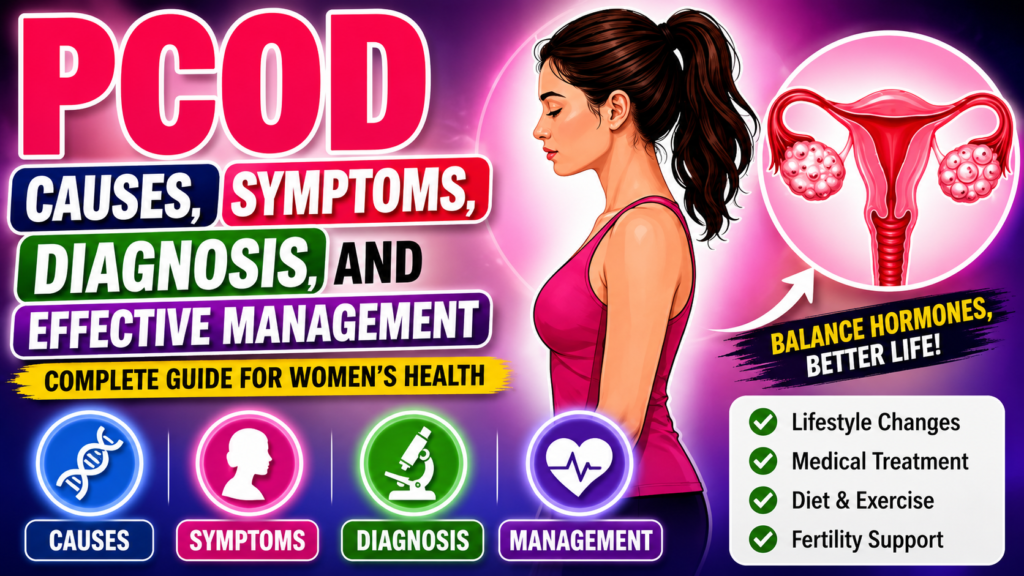
Polycystic Ovarian Disease (PCOD) is one of the most common hormonal disorders affecting women of reproductive age. With changing lifestyles, unhealthy eating habits, stress, and reduced physical activity, the number of women diagnosed with PCOD has increased significantly in recent years. Although it is a common condition, many women are unaware of its causes, symptoms, and long-term health effects.
Understanding PCOD is essential because early diagnosis and proper management can help women lead a healthy and balanced life. This article explores everything you need to know about PCOD, including its causes, symptoms, diagnosis, treatment options, and lifestyle recommendations.
What Is PCOD?
PCOD, or Polycystic Ovarian Disease, is a condition in which the ovaries produce immature or partially mature eggs in large numbers. These eggs eventually turn into cysts, leading to enlarged ovaries and hormonal imbalances.
In women with PCOD, the ovaries often produce higher-than-normal levels of male hormones known as androgens. This hormonal imbalance can interfere with ovulation and affect the menstrual cycle, fertility, skin health, and overall well-being.
PCOD is a manageable condition, and many women successfully control its symptoms through lifestyle changes, medication, and regular medical care.
Causes of PCOD
The exact cause of PCOD remains unclear, but several factors are believed to contribute to its development.
1. Hormonal Imbalance
Women with PCOD often have elevated levels of androgens. These hormones can disrupt the normal development and release of eggs from the ovaries.
2. Insulin Resistance
Insulin is a hormone that helps the body use glucose for energy. Many women with PCOD have insulin resistance, meaning their bodies do not respond effectively to insulin. As a result, the body produces more insulin, which can increase androgen production and worsen symptoms.
3. Genetic Factors
PCOD tends to run in families. If a mother, sister, or close relative has PCOD, there is a higher likelihood of developing the condition.
4. Lifestyle Factors
Poor dietary habits, obesity, lack of exercise, and chronic stress may increase the risk of developing PCOD or worsen existing symptoms.
Common Symptoms of PCOD
The symptoms of PCOD can vary from one woman to another. Some may experience mild symptoms, while others may face more significant health challenges.
Irregular Menstrual Cycles
One of the most common signs of PCOD is irregular periods. Women may experience:
- Delayed periods
- Missed periods
- Heavy menstrual bleeding
- Infrequent menstrual cycles
Weight Gain
Many women with PCOD find it difficult to maintain a healthy weight. Weight gain, particularly around the abdomen, is a common symptom.
Excess Hair Growth
Increased androgen levels may lead to excessive hair growth on areas such as:
- Face
- Chest
- Back
- Abdomen
Acne and Oily Skin
Hormonal imbalances can increase oil production, leading to persistent acne and oily skin.
Hair Thinning
Some women may experience thinning hair or hair loss, especially around the scalp.
Difficulty Conceiving
Irregular ovulation can make it harder for women with PCOD to become pregnant.
Mood Changes
Hormonal fluctuations may contribute to anxiety, depression, irritability, and mood swings.
How PCOD Affects Fertility
PCOD is one of the leading causes of infertility in women. Ovulation may occur irregularly or not at all, reducing the chances of conception.
However, having PCOD does not mean pregnancy is impossible. Many women with the condition successfully conceive with proper treatment, lifestyle modifications, and fertility support when needed.
Early diagnosis and management significantly improve reproductive outcomes.
Diagnosis of PCOD
Diagnosing PCOD typically involves a combination of medical history evaluation, physical examination, and diagnostic tests.
Medical History
A doctor may ask about:
- Menstrual cycle patterns
- Weight changes
- Family history
- Fertility concerns
- Symptoms such as acne and hair growth
Physical Examination
The doctor may assess:
- Body weight
- Blood pressure
- Skin condition
- Hair growth patterns
Ultrasound Scan
An ultrasound helps identify enlarged ovaries and multiple cysts.
Blood Tests
Blood tests are often performed to evaluate:
- Hormone levels
- Blood sugar levels
- Insulin levels
- Cholesterol levels
Accurate diagnosis is essential to create an effective treatment plan.
Health Risks Associated with PCOD
If left unmanaged, PCOD can increase the risk of several health complications.
Type 2 Diabetes
Insulin resistance can increase the likelihood of developing diabetes over time.
Obesity
Weight gain associated with PCOD can further worsen hormonal imbalances.
High Blood Pressure
Women with PCOD may have an increased risk of hypertension.
Heart Disease
Long-term metabolic changes can contribute to cardiovascular problems.
Infertility
Untreated ovulation issues may lead to fertility challenges.
Mental Health Concerns
Depression, anxiety, and low self-esteem are often associated with PCOD due to physical symptoms and hormonal changes.
Treatment Options for PCOD
There is no permanent cure for PCOD, but the condition can be effectively managed.
Lifestyle Modifications
Lifestyle changes are often the first and most effective step in managing PCOD.
Healthy Diet
A balanced diet can help regulate hormones and improve insulin sensitivity.
Include:
- Fresh fruits and vegetables
- Whole grains
- Lean proteins
- Healthy fats
- Fiber-rich foods
Limit:
- Sugary foods
- Processed snacks
- Refined carbohydrates
- Sugary beverages
Regular Exercise
Physical activity helps:
- Improve insulin sensitivity
- Support weight management
- Reduce stress
- Regulate menstrual cycles
Aim for at least 30 minutes of moderate exercise most days of the week.
Weight Management
Even a modest reduction in body weight can significantly improve symptoms and hormonal balance.
Medications
Doctors may prescribe medications to:
- Regulate menstrual cycles
- Improve insulin sensitivity
- Manage acne
- Reduce excess hair growth
- Support fertility
Treatment plans vary depending on individual symptoms and health goals.
Importance of Early Intervention
Early diagnosis and treatment can help prevent complications and improve quality of life. Women who notice irregular periods, unexplained weight gain, excessive hair growth, or fertility concerns should consult a healthcare professional promptly.
Seeking expert medical guidance for PCOS Treatment in Sector 102 Gurgaon can help women receive personalized care, symptom management, and long-term health support.
Lifestyle Tips for Women with PCOD
Managing PCOD successfully often requires long-term lifestyle adjustments.
Prioritize Balanced Nutrition
Choose nutrient-dense foods and maintain consistent meal timings.
Stay Physically Active
Combine cardiovascular exercises, strength training, and flexibility exercises.
Manage Stress
Practice stress-reduction techniques such as:
- Yoga
- Meditation
- Deep breathing exercises
- Mindfulness activities
Get Adequate Sleep
Aim for 7–9 hours of quality sleep every night to support hormonal health.
Attend Regular Health Check-Ups
Routine monitoring can help identify potential complications early and ensure treatment remains effective.
Can PCOD Be Prevented?
While PCOD cannot always be prevented due to genetic and hormonal factors, maintaining a healthy lifestyle may reduce the risk of developing symptoms or complications.
Healthy habits such as balanced eating, regular exercise, stress management, and weight control play a significant role in overall hormonal health.
Conclusion
PCOD is a common but manageable hormonal disorder that affects many women during their reproductive years. Although it can cause symptoms such as irregular periods, weight gain, acne, excessive hair growth, and fertility challenges, timely diagnosis and proper management can significantly improve quality of life.
A combination of healthy lifestyle choices, regular medical care, and appropriate treatment can help women effectively control symptoms and reduce long-term health risks. By understanding the condition and taking proactive steps, women with PCOD can maintain their reproductive health, achieve their wellness goals, and lead healthy, fulfilling lives.