LSCS Tips for a Safe Delivery and Smooth Recovery

PCOD: Causes, Symptoms, Diagnosis, and Effective Management
June 3, 2026
Tips for Normal Delivery: A Complete Guide for Expecting Mothers
June 11, 2026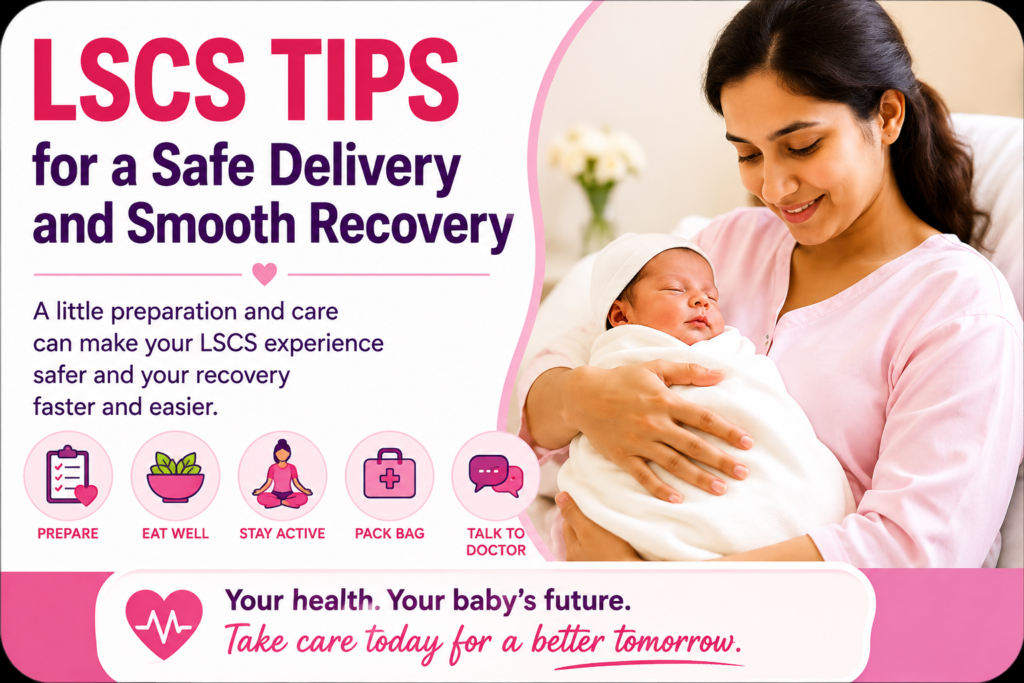
Pregnancy is a life-changing journey, and every mother hopes for a safe and healthy delivery. While many women plan for a normal birth, there are situations where a Lower Segment Cesarean Section (LSCS), commonly known as a C-section, becomes the safest option for both mother and baby. Understanding the procedure and preparing for it can help reduce anxiety and improve recovery outcomes.
This blog provides essential LSCS tips, from preparation before surgery to recovery after childbirth, helping expecting mothers feel more confident and informed.
What is LSCS?
LSCS stands for Lower Segment Cesarean Section, a surgical procedure in which the baby is delivered through an incision made in the lower part of the uterus. It is one of the most commonly performed obstetric surgeries worldwide and is recommended when vaginal delivery may pose risks to the mother or baby.
Doctors may suggest LSCS for several reasons, including:
- Fetal distress
- Placenta previa
- Multiple pregnancies
- Previous cesarean delivery
- Breech presentation
- Prolonged labor
- Certain maternal health conditions
The procedure is generally safe and performed under spinal or epidural anesthesia.
Tips Before an LSCS Delivery
1. Follow Your Doctor’s Instructions Carefully
Your healthcare provider will provide specific guidelines regarding medications, eating, drinking, and hospital admission. Following these instructions is crucial to avoid complications during surgery.
If you are taking medications for blood pressure, diabetes, thyroid disorders, or other medical conditions, discuss them with your doctor before the procedure.
2. Maintain a Healthy Diet
A balanced diet during the final weeks of pregnancy helps strengthen your body for surgery and recovery.
Include:
- Fresh fruits and vegetables
- Lean proteins
- Whole grains
- Dairy products
- Iron-rich foods
Proper nutrition can improve wound healing and boost energy levels after delivery.
3. Stay Hydrated
Adequate hydration supports overall health and helps maintain proper circulation. Drink sufficient water throughout the day unless advised otherwise by your doctor.
4. Prepare Your Hospital Bag Early
Packing your hospital bag a few weeks before your due date can help reduce last-minute stress.
Include:
- Medical records
- Comfortable clothing
- Nursing bras
- Baby essentials
- Toiletries
- Phone charger
- Identification documents
Having everything ready ensures a smoother hospital experience.
5. Learn About the Procedure
Understanding what happens during an LSCS can significantly reduce fear and anxiety. Ask your doctor questions about:
- Duration of surgery
- Type of anesthesia
- Recovery process
- Possible risks
- Pain management options
Knowledge often brings reassurance and confidence.
6. Get Adequate Rest
Good sleep before surgery helps your body prepare for the physical demands of childbirth and recovery. Try to maintain a regular sleep schedule and avoid excessive stress.
What Happens During an LSCS?
On the day of surgery:
- You will be admitted to the hospital.
- Vital signs will be monitored.
- Anesthesia will be administered.
- The surgical area will be prepared.
- A small incision will be made in the lower abdomen.
- The baby will be delivered safely.
- The placenta will be removed.
- The incision will be closed with sutures.
The procedure usually takes about 30 to 60 minutes, although individual cases may vary.
Immediate Post-Surgery Tips
1. Follow Medical Advice Strictly
After surgery, healthcare professionals will monitor your recovery. Follow all instructions regarding medications, movement, and wound care.
2. Start Gentle Movement Early
While complete rest is important initially, doctors often encourage gentle movement within a few hours after surgery.
Benefits include:
- Improved blood circulation
- Reduced risk of blood clots
- Faster recovery
- Better bowel function
Always move according to your doctor’s recommendations.
3. Manage Pain Properly
Pain after LSCS is normal. Do not hesitate to take prescribed pain medications. Effective pain management helps you:
- Walk comfortably
- Breastfeed more easily
- Sleep better
- Recover faster
4. Focus on Breastfeeding
Breastfeeding after a C-section may require some adjustments. Positions such as the football hold or side-lying position can reduce pressure on the incision area.
Seek support from nurses or lactation consultants if needed.
Essential Recovery Tips After LSCS
1. Take Care of Your Surgical Wound
Keeping the incision area clean and dry is one of the most important aspects of recovery.
Watch for signs of infection such as:
- Redness
- Swelling
- Fever
- Unusual discharge
- Increased pain
Contact your doctor immediately if you notice any concerning symptoms.
2. Eat Nutrient-Rich Foods
Your body needs extra nutrition for healing and breastfeeding.
Focus on:
- Protein-rich foods
- Iron-rich foods
- Vitamin C sources
- Fiber-rich foods
These nutrients help tissue repair and prevent constipation.
3. Drink Plenty of Fluids
Water supports healing, digestion, and milk production. Aim to drink enough fluids throughout the day.
4. Avoid Heavy Lifting
For several weeks after surgery, avoid lifting anything heavier than your baby unless approved by your healthcare provider.
Heavy lifting can strain abdominal muscles and delay healing.
5. Prioritize Rest
Many new mothers find it challenging to rest while caring for a newborn. Whenever possible:
- Sleep when the baby sleeps
- Accept help from family members
- Avoid unnecessary physical exertion
Rest plays a crucial role in recovery.
6. Wear Comfortable Clothing
Loose-fitting clothing helps prevent irritation around the incision site and improves comfort during healing.
7. Attend Follow-Up Appointments
Regular follow-up visits allow your doctor to monitor recovery and address any concerns promptly.
Never skip scheduled appointments, even if you feel well.
Emotional Recovery Matters Too
Physical healing is only one part of recovery. Emotional well-being is equally important.
Many women experience:
- Mood swings
- Fatigue
- Anxiety
- Emotional sensitivity
Talk openly with your partner, family members, or healthcare provider if you feel overwhelmed.
Seeking support is a healthy and positive step toward recovery.
When to Contact Your Doctor
Seek medical attention immediately if you experience:
- High fever
- Heavy bleeding
- Severe abdominal pain
- Breathing difficulties
- Chest pain
- Signs of wound infection
- Persistent swelling in the legs
Prompt treatment can prevent complications and support a safer recovery.
Planning Future Pregnancies After LSCS
Many women successfully have healthy pregnancies after a cesarean delivery. Discuss future family planning with your doctor, including:
- Recommended spacing between pregnancies
- Possibility of vaginal birth after cesarean (VBAC)
- Individual risk factors
- Long-term reproductive health
Proper planning can contribute to safer outcomes in future pregnancies.
Choosing the Right Maternity Care
Selecting an experienced healthcare team is one of the most important decisions during pregnancy. Quality maternity care ensures proper monitoring, expert guidance, and immediate support during delivery and recovery. If you are searching for a trusted Maternity Hospital in Sector 102 Gurgaon, choose a facility with experienced obstetricians, advanced medical infrastructure, and comprehensive maternal care services.
Conclusion
An LSCS delivery can be a safe and effective way to welcome your baby into the world. Preparation before surgery, understanding the procedure, following recovery guidelines, and maintaining a positive mindset can make the experience smoother and less stressful.
Every mother’s journey is unique, and recovery takes time. By following these LSCS tips and staying connected with your healthcare provider, you can focus on what truly matters—your health and the joy of bonding with your newborn. Patience, proper care, and support from loved ones will help you regain strength and enjoy this beautiful new chapter of motherhood.