Tips for Normal Delivery: A Complete Guide for Expecting Mothers

LSCS Tips for a Safe Delivery and Smooth Recovery
June 8, 2026
Menopause: Understanding the Transition and Embracing a Healthier Future
June 13, 2026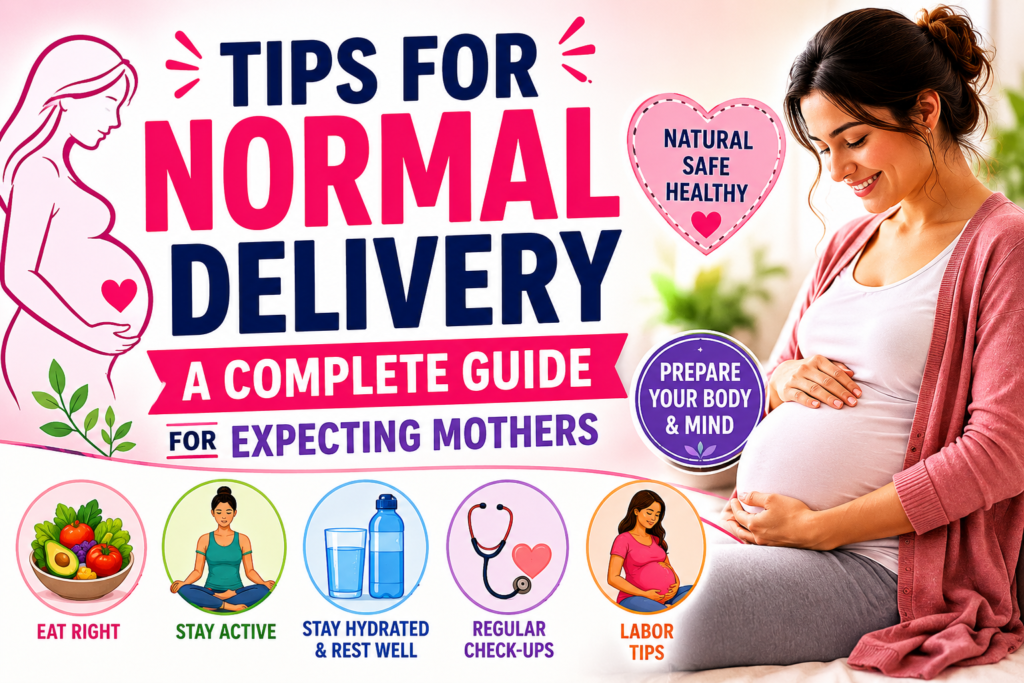
Pregnancy is one of the most beautiful journeys in a woman’s life. As the due date approaches, many mothers hope for a safe and smooth normal delivery. While every pregnancy is unique and delivery methods depend on medical conditions, following healthy habits throughout pregnancy can significantly improve the chances of a normal vaginal birth.
This guide covers practical and effective tips for normal delivery, helping mothers prepare physically, mentally, and emotionally for childbirth.
What Is a Normal Delivery?
A normal delivery, also known as a vaginal birth, occurs when a baby is delivered through the birth canal without major surgical intervention. It is considered the most natural method of childbirth and often comes with faster recovery, lower risk of complications, and shorter hospital stays compared to cesarean delivery.
However, the success of a normal delivery depends on several factors, including maternal health, baby’s position, pregnancy progress, and proper prenatal care.
Start Prenatal Care Early
One of the most important steps toward a healthy pregnancy and normal delivery is regular prenatal checkups. Early monitoring helps doctors track the baby’s growth, identify potential risks, and provide guidance throughout pregnancy.
Routine checkups can help:
- Monitor maternal and fetal health
- Manage blood pressure and blood sugar levels
- Detect complications early
- Provide nutritional guidance
- Prepare mothers for labor and delivery
Women seeking quality Pregnancy Care in Sector 102 Gurgaon should prioritize regular consultations with experienced healthcare professionals to ensure the best possible outcomes.
Maintain a Healthy and Balanced Diet
Nutrition plays a critical role in supporting both mother and baby during pregnancy. A well-balanced diet helps maintain healthy weight gain, boosts energy levels, and prepares the body for labor.
Foods to Include
- Fresh fruits and vegetables
- Whole grains
- Lean proteins
- Dairy products rich in calcium
- Nuts and seeds
- Iron-rich foods like spinach and legumes
Foods to Limit
- Excessive sugary foods
- Processed snacks
- High-caffeine beverages
- Unpasteurized dairy products
- Excessively oily or fried foods
Staying hydrated is equally important. Drinking sufficient water supports healthy circulation, amniotic fluid levels, and overall well-being.
Stay Physically Active
Regular exercise during pregnancy can strengthen muscles, improve stamina, and increase flexibility, all of which support labor and delivery.
Safe Pregnancy Exercises
- Walking
- Prenatal yoga
- Swimming
- Pelvic floor exercises
- Stretching routines
Exercise can help:
- Improve blood circulation
- Reduce pregnancy discomfort
- Control weight gain
- Enhance endurance during labor
- Lower stress levels
Always consult your healthcare provider before starting any exercise program during pregnancy.
Practice Prenatal Yoga
Prenatal yoga is widely recommended for women preparing for normal delivery. It combines breathing techniques, gentle stretches, and relaxation methods that help prepare the body and mind for childbirth.
Benefits of prenatal yoga include:
- Improved flexibility
- Better posture
- Reduced back pain
- Enhanced breathing control
- Increased mental calmness
Many women find that yoga helps them stay focused and confident during labor.
Learn Proper Breathing Techniques
Breathing exercises can be incredibly beneficial during labor. Controlled breathing helps manage contractions, reduces anxiety, and improves oxygen supply to both mother and baby.
Simple breathing techniques include:
- Deep abdominal breathing
- Slow rhythmic breathing
- Relaxation breathing exercises
Practicing these techniques throughout pregnancy can make them easier to use during labor.
Strengthen Pelvic Floor Muscles
Pelvic floor muscles play an essential role during childbirth. Strong pelvic muscles provide support to the uterus, bladder, and bowel while assisting during labor.
Kegel Exercises
Kegel exercises involve tightening and relaxing the pelvic floor muscles.
Benefits include:
- Improved bladder control
- Better pelvic support
- Enhanced labor performance
- Faster postpartum recovery
These exercises are simple, safe, and can be performed almost anywhere.
Maintain a Healthy Weight
Excessive weight gain during pregnancy may increase the risk of complications and make labor more challenging.
Healthy weight management can:
- Improve mobility
- Reduce pregnancy-related discomfort
- Lower the risk of gestational diabetes
- Support smoother labor
Rather than focusing on dieting, pregnant women should aim for balanced nutrition and moderate physical activity under medical supervision.
Get Adequate Sleep and Rest
Quality sleep is essential for both physical and emotional health during pregnancy.
Tips for better sleep:
- Maintain a consistent bedtime
- Sleep on your left side when possible
- Use supportive pregnancy pillows
- Avoid heavy meals before bedtime
- Limit screen time at night
Proper rest helps the body recover, supports hormone balance, and prepares mothers for labor.
Stay Mentally Positive
Mental health significantly impacts pregnancy and childbirth experiences. Fear and anxiety can increase stress hormones, which may affect labor progression.
Ways to stay positive include:
- Reading childbirth education materials
- Attending prenatal classes
- Practicing meditation
- Listening to calming music
- Talking openly with healthcare providers
Confidence and preparation often contribute to a more positive birth experience.
Attend Childbirth Education Classes
Prenatal classes provide valuable information about labor, delivery, newborn care, and breastfeeding.
Benefits include:
- Understanding labor stages
- Learning pain management techniques
- Knowing when to visit the hospital
- Building confidence for childbirth
- Reducing fear of the unknown
Educated mothers often feel more empowered during labor and delivery.
Stay Hydrated Throughout Pregnancy
Water supports nearly every function in the body during pregnancy.
Proper hydration helps:
- Prevent constipation
- Reduce swelling
- Support amniotic fluid levels
- Improve digestion
- Maintain energy levels
Most pregnant women benefit from drinking water regularly throughout the day, though individual needs may vary.
Monitor Your Baby’s Movements
Tracking fetal movements is an important part of prenatal care. Regular movements generally indicate that the baby is active and healthy.
If you notice:
- A significant decrease in movements
- Unusual activity patterns
- Any concerning symptoms
Contact your healthcare provider promptly for evaluation.
Avoid Harmful Habits
Certain habits can increase pregnancy risks and affect delivery outcomes.
Avoid:
- Smoking
- Alcohol consumption
- Recreational drugs
- Self-medication
- Exposure to harmful chemicals
Following medical advice and maintaining healthy lifestyle choices can support a safer pregnancy and delivery.
Prepare for Labor Naturally
As your due date approaches, focus on preparing your body and mind for labor.
Helpful preparation strategies include:
- Daily walking
- Gentle stretching
- Relaxation exercises
- Healthy eating
- Staying active
- Following medical recommendations
Remember that every labor experience is different, and flexibility is important.
Understand the Signs of Labor
Knowing the early signs of labor helps ensure timely medical attention.
Common signs include:
- Regular contractions
- Lower back pain
- Water breaking
- Pelvic pressure
- Bloody show
Contact your healthcare provider if you experience these symptoms or have concerns about labor.
Trust Your Healthcare Team
A skilled medical team plays a vital role in ensuring a safe delivery. Open communication with your doctor helps address concerns, create a birth plan, and prepare for different delivery scenarios.
Even when aiming for a normal delivery, the primary goal should always be the safety of both mother and baby.
Conclusion
A normal delivery is often supported by healthy lifestyle choices, regular prenatal care, proper nutrition, physical activity, and positive mental preparation. While no method can guarantee a vaginal birth, these practices can improve overall maternal health and help prepare the body for labor.
Every pregnancy journey is unique. By staying informed, maintaining healthy habits, and working closely with your healthcare provider, you can approach childbirth with confidence and readiness. The ultimate goal is a safe and healthy delivery, ensuring the well-being of both mother and baby.