Menopause: Understanding the Transition and Embracing a Healthier Future

Tips for Normal Delivery: A Complete Guide for Expecting Mothers
June 11, 2026
What Diet Plan Should You Follow During Monthly Cramps? A Complete Nutritional Guide
June 19, 2026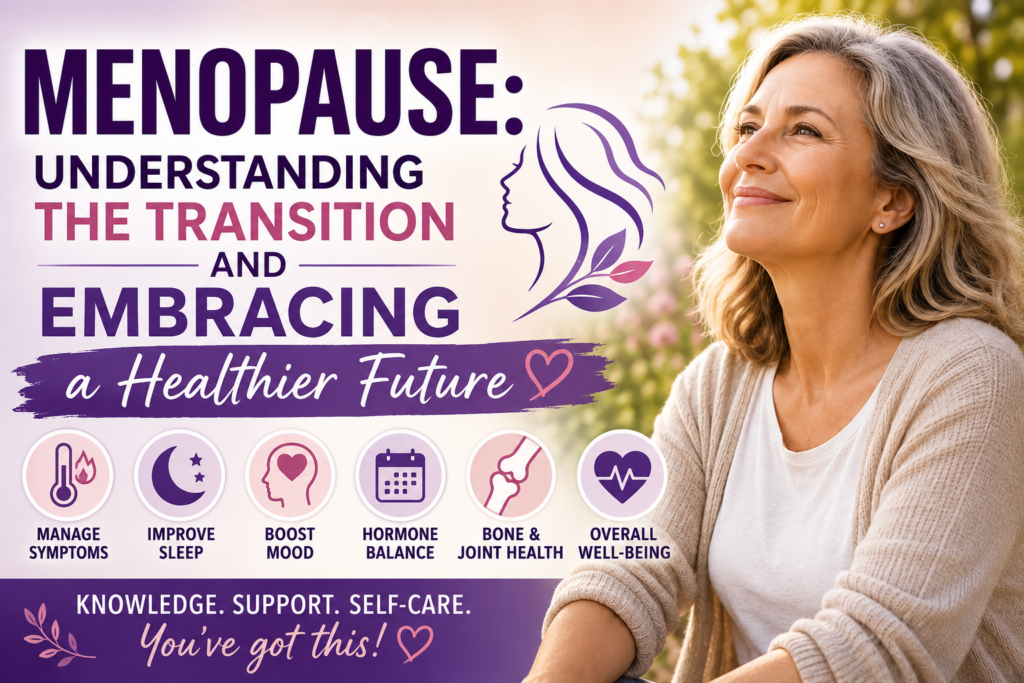
Menopause is a significant milestone in a woman’s life, marking the natural end of her reproductive years. Although it is a normal biological process, the hormonal changes associated with menopause can bring a variety of physical, emotional, and psychological challenges. Understanding what to expect and how to manage these changes can empower women to navigate this phase with confidence and maintain a high quality of life.
This comprehensive guide explores the stages of menopause, its symptoms, causes, available treatment options, and practical lifestyle strategies to promote long-term health and well-being.
What Is Menopause?
Menopause is defined as the permanent cessation of menstruation, confirmed after twelve consecutive months without a menstrual period. It typically occurs between the ages of 45 and 55, with the average age being around 51 years.
The transition occurs because the ovaries gradually reduce the production of estrogen and progesterone, the hormones responsible for regulating the menstrual cycle and fertility. As hormone levels decline, ovulation eventually stops, leading to the end of menstrual periods.
Menopause is a natural stage of aging rather than a medical condition. However, the accompanying hormonal changes may affect various aspects of physical and emotional health.
The Three Stages of Menopause
Perimenopause
Perimenopause is the transitional phase leading up to menopause and may begin several years before the final menstrual period. During this stage, hormone levels fluctuate, causing noticeable changes in the menstrual cycle and the onset of menopausal symptoms.
Common characteristics include:
- Irregular menstrual cycles
- Hot flashes
- Mood fluctuations
- Sleep disturbances
- Reduced fertility
Although fertility declines during this period, pregnancy remains possible until menopause is complete.
Menopause
Menopause is officially reached when a woman has gone one full year without menstruation. At this stage, the ovaries no longer release eggs, and estrogen production decreases significantly.
Postmenopause
Postmenopause refers to the years following menopause. While many symptoms gradually lessen over time, women become more susceptible to health conditions related to lower estrogen levels, including osteoporosis and cardiovascular disease. Maintaining a healthy lifestyle becomes increasingly important during this phase.
Common Symptoms of Menopause
The severity and duration of menopausal symptoms vary widely among women. Some experience only mild discomfort, while others may find the symptoms disruptive to their daily lives.
Hot Flashes
Hot flashes are one of the most common symptoms of menopause. They involve sudden sensations of intense warmth, often accompanied by sweating, facial flushing, and an increased heart rate.
Night Sweats
Night sweats are hot flashes that occur during sleep and can lead to interrupted rest, fatigue, and daytime exhaustion.
Irregular Menstrual Cycles
Periods may become lighter, heavier, shorter, or more widely spaced before stopping altogether.
Mood Changes
Hormonal fluctuations may contribute to emotional changes such as irritability, anxiety, mood swings, or depression.
Sleep Disturbances
Many women experience difficulty falling asleep, frequent awakenings, or poor-quality sleep, often related to night sweats or hormonal changes.
Vaginal Dryness
Reduced estrogen levels can decrease vaginal lubrication, causing discomfort, irritation, and pain during sexual intercourse.
Reduced Sexual Desire
Hormonal changes, combined with physical discomfort and emotional factors, may affect libido during menopause.
Cognitive Changes
Some women notice temporary issues with memory, concentration, or mental clarity, often referred to as “brain fog.”
Weight Gain
Metabolism naturally slows with age, making weight management more challenging during and after menopause.
Joint and Muscle Discomfort
Many women report stiffness, joint pain, and muscle aches, which can often be managed through regular physical activity.
What Causes Menopause?
Natural aging is the most common cause of menopause, as ovarian function gradually declines over time.
Other possible causes include:
- Surgical removal of the ovaries
- Chemotherapy or radiation therapy
- Certain autoimmune disorders
- Premature ovarian insufficiency
Women who experience menopause before the age of 40 should seek specialized medical evaluation and care.
Potential Health Risks After Menopause
The reduction in estrogen levels can increase the likelihood of several long-term health conditions.
Osteoporosis
Lower estrogen accelerates bone loss, increasing the risk of fractures. Adequate calcium intake, vitamin D, and weight-bearing exercise are essential for maintaining bone strength.
Cardiovascular Disease
After menopause, women face a higher risk of heart disease, high blood pressure, and elevated cholesterol levels. Adopting heart-healthy lifestyle habits becomes increasingly important.
Urinary Problems
Hormonal changes may weaken pelvic tissues, contributing to urinary urgency, incontinence, and recurrent urinary tract infections.
Metabolic Changes
Reduced metabolic rate and hormonal changes may contribute to abdominal weight gain and an increased risk of type 2 diabetes.
Diagnosis
Healthcare providers typically diagnose menopause based on:
- Medical history
- Menstrual history
- Reported symptoms
- Physical examination
In some cases, hormone tests may be recommended, particularly for younger women experiencing early menopausal symptoms.
Treatment Options
Not every woman requires medical treatment during menopause. However, for those experiencing moderate to severe symptoms, several effective management options are available.
Hormone Replacement Therapy (HRT)
Hormone Replacement Therapy helps restore declining estrogen levels and is considered one of the most effective treatments for:
- Hot flashes
- Night sweats
- Vaginal dryness
- Bone loss
The suitability of HRT depends on an individual’s medical history and should always be discussed with a qualified healthcare provider.
Non-Hormonal Medications
Certain prescription medications may help reduce hot flashes, improve sleep quality, and manage mood-related symptoms.
Vaginal Estrogen Therapy
Localized estrogen treatments can effectively relieve vaginal dryness and discomfort without significantly affecting the rest of the body.
Nutritional Supplements
Calcium and vitamin D supplementation may be recommended to support bone health, particularly for women at increased risk of osteoporosis.
Healthy Lifestyle Strategies
Simple lifestyle modifications can significantly improve menopausal symptoms and overall health.
Maintain a Balanced Diet
A nutrient-rich diet should include:
- Fresh fruits and vegetables
- Whole grains
- Lean protein
- Healthy fats
- Calcium-rich dairy or fortified alternatives
Limiting processed foods, refined sugars, excessive caffeine, and alcohol may also help reduce symptoms.
Stay Physically Active
Regular exercise supports:
- Bone density
- Cardiovascular health
- Weight management
- Emotional well-being
- Better sleep quality
Aim for at least 150 minutes of moderate physical activity each week, including strength training and flexibility exercises.
Prioritize Quality Sleep
Develop healthy sleep habits by maintaining a consistent bedtime, creating a relaxing nighttime routine, and minimizing screen exposure before sleep.
Manage Stress
Relaxation techniques such as meditation, yoga, deep breathing exercises, and mindfulness can reduce stress and improve emotional resilience.
Avoid Smoking
Smoking has been linked to earlier menopause, more severe symptoms, and increased risks of osteoporosis and cardiovascular disease.
Emotional Well-Being During Menopause
Menopause can affect emotional health just as much as physical health. Women may benefit from:
- Support from family and friends
- Professional counseling
- Support groups
- Regular exercise
- Mindfulness practices
Seeking medical advice for persistent anxiety or depression is important and can greatly improve quality of life.
When Should You Consult a Healthcare Professional?
Medical evaluation is recommended if you experience:
- Heavy or prolonged bleeding
- Bleeding after menopause
- Severe hot flashes
- Persistent sleep disturbances
- Depression or anxiety
- Pain during intercourse
- Frequent urinary infections
- Symptoms that interfere with daily activities
For comprehensive women’s healthcare, regular gynecological evaluations are essential. A trusted Maternity Hospital in Sector 102 Gurgaon can provide expert guidance on menopause management, preventive screenings, hormonal health, and personalized treatment options.
Conclusion
Menopause is a natural life transition that brings both challenges and opportunities for improved self-care. While hormonal changes can influence physical and emotional health, understanding the process enables women to make informed decisions and seek appropriate support when needed.
By maintaining a balanced lifestyle, staying physically active, managing stress, and consulting healthcare professionals when necessary, women can successfully navigate menopause and continue to lead active, healthy, and fulfilling lives. With the right knowledge and care, menopause becomes not an ending, but the beginning of a new chapter focused on wellness, strength, and long-term health.