Irregular Periods: Causes, Symptoms & Effective Care

Embryo Transfer: Complete Guide to Process, Tips & Success
April 29, 2026
Importance of Yoga in Pregnancy for a Healthy Mother and Baby
May 13, 2026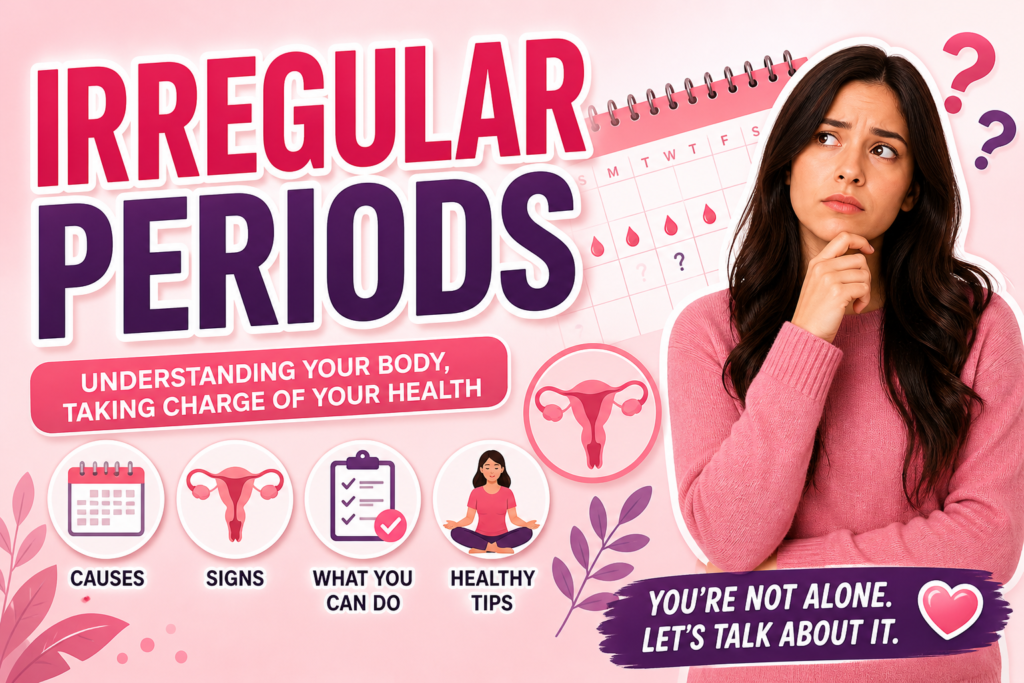
Irregular periods are a common concern for many women at different stages of life. While a normal menstrual cycle typically ranges from 21 to 35 days, fluctuations outside this range can lead to confusion and concern. Occasional changes are normal, but frequent irregularities may indicate underlying health issues that need attention. Understanding the causes, symptoms, and treatment options can help women take control of their reproductive health.
What Are Irregular Periods?
Irregular periods refer to menstrual cycles that vary in length, frequency, or flow. This can include missed periods, unusually heavy or light bleeding, or cycles that occur too frequently or too far apart. For some women, irregularity is temporary and harmless, while for others, it may signal a deeper medical concern.
Common Causes of Irregular Periods
Several factors can disrupt the regularity of your menstrual cycle. One of the most common causes is hormonal imbalance. Hormones such as estrogen and progesterone regulate the menstrual cycle, and any fluctuation can lead to irregular periods.
Another major factor is stress. High levels of physical or emotional stress can interfere with the hypothalamus, the part of the brain that controls hormones responsible for menstruation. Sudden weight loss or gain can also affect hormone levels, leading to irregular cycles.
Polycystic Ovary Syndrome (PCOS) is a common medical condition that causes irregular periods due to hormonal imbalance. Women with PCOS may experience infrequent periods or prolonged menstrual cycles.
Thyroid disorders are another contributing factor. Both hypothyroidism and hyperthyroidism can disrupt menstrual cycles. Additionally, excessive exercise, poor diet, and certain medications can also lead to irregular periods.
Symptoms to Watch For
Irregular periods can present in different ways. Some women may experience cycles shorter than 21 days or longer than 35 days. Others may skip periods altogether for months. Heavy bleeding, spotting between periods, or severe cramps can also be signs of irregular menstruation.
In some cases, irregular periods are accompanied by other symptoms such as acne, excessive hair growth, or sudden weight changes. These signs may indicate hormonal disorders like PCOS and should not be ignored.
When Should You Be Concerned?
While occasional irregularity is usually not a cause for concern, there are situations where medical attention is necessary. If you miss periods for more than three consecutive months, experience extremely heavy bleeding, or have severe pain during menstruation, it is important to consult a healthcare professional.
Women trying to conceive should also pay attention to irregular cycles, as they may affect ovulation and fertility. Early diagnosis and treatment can improve reproductive health and overall well-being.
Diagnosis and Medical Evaluation
To determine the cause of irregular periods, doctors may perform a series of tests. These can include blood tests to check hormone levels, thyroid function tests, and ultrasound scans to examine the ovaries and uterus.
In some cases, doctors may recommend lifestyle assessments to identify stress levels, diet patterns, and exercise routines. A detailed medical history also plays a crucial role in diagnosing the issue.
Treatment Options for Irregular Periods
The treatment for irregular periods depends on the underlying cause. If hormonal imbalance is the issue, doctors may prescribe hormonal therapies such as birth control pills to regulate the cycle.
For women with PCOS, treatment may include medications to manage insulin levels and promote ovulation. Thyroid-related irregularities can be managed with appropriate medication to restore hormone balance.
Lifestyle changes are often the first line of treatment. Maintaining a healthy weight, eating a balanced diet, and managing stress can significantly improve menstrual regularity. Regular exercise helps regulate hormones, but excessive workouts should be avoided.
In some cases, natural remedies such as herbal supplements and dietary adjustments may also help. However, it is always advisable to consult a healthcare professional before trying alternative treatments.
Role of Diet and Lifestyle
A healthy lifestyle plays a vital role in maintaining a regular menstrual cycle. Consuming a balanced diet rich in fruits, vegetables, whole grains, and lean proteins supports hormonal balance. Iron-rich foods are especially important for women experiencing heavy bleeding.
Hydration is equally important. Drinking enough water helps maintain overall health and supports bodily functions, including hormonal regulation.
Stress management techniques such as yoga, meditation, and deep breathing exercises can help stabilize hormones. Getting adequate sleep is also crucial, as poor sleep patterns can disrupt the menstrual cycle.
Impact on Fertility
Irregular periods can sometimes affect fertility, as they may indicate irregular ovulation. Women who experience unpredictable cycles may find it challenging to determine their fertile window.
However, many women with irregular periods can still conceive with proper medical guidance and treatment. Tracking ovulation, maintaining a healthy lifestyle, and seeking timely medical advice can improve the chances of pregnancy.
Preventive Measures
While not all causes of irregular periods can be prevented, certain steps can help reduce the risk. Maintaining a consistent routine, eating nutritious food, and avoiding extreme dieting or exercise can support hormonal balance.
Regular health check-ups are essential for early detection of any underlying conditions. Monitoring your menstrual cycle using apps or journals can help identify patterns and detect irregularities early.
Importance of Medical Guidance
Ignoring irregular periods can lead to complications over time. Conditions like PCOS, thyroid disorders, or hormonal imbalances require timely diagnosis and management. Seeking expert medical advice ensures accurate diagnosis and effective treatment.
If you are experiencing persistent menstrual irregularities, consulting a specialist is the best course of action. For those seeking professional care, Best Gynaecologist in Sector 102 Gurgaon Care can provide expert guidance and personalized treatment options.
Conclusion
Irregular periods are a common issue, but they should not be overlooked. Understanding the causes and symptoms is the first step toward managing the condition effectively. With the right combination of medical care, lifestyle changes, and awareness, most women can achieve a healthy and regular menstrual cycle.
Taking charge of your reproductive health is essential for overall well-being. If you notice consistent changes in your cycle, do not hesitate to seek medical advice. Early intervention can make a significant difference in maintaining long-term health and fertility.