Embryo Transfer: Complete Guide to Process, Tips & Success

Is IVF Safe? A Complete Guide for Couples
April 28, 2026
Irregular Periods: Causes, Symptoms & Effective Care
May 4, 2026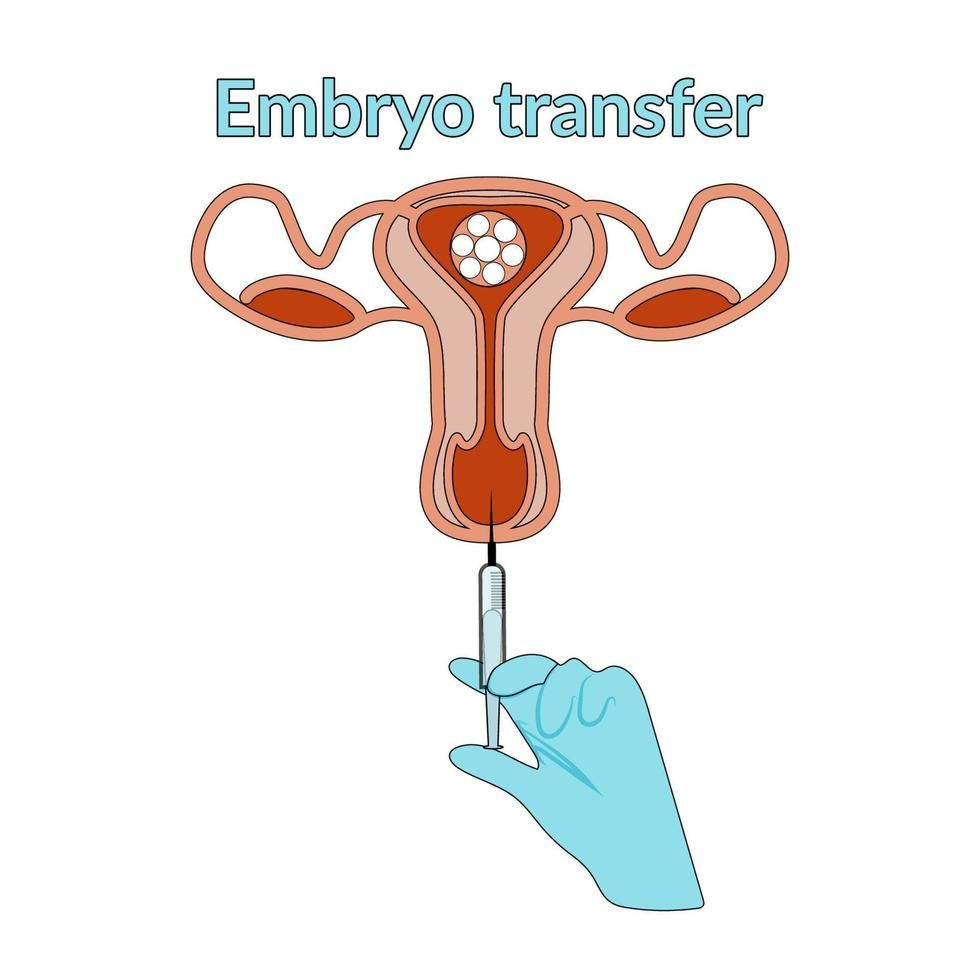
Embryo transfer is one of the most crucial steps in the journey of assisted reproduction, especially in procedures like IVF (In Vitro Fertilization). For couples struggling with infertility, this stage represents hope, anticipation, and the possibility of starting a family. Understanding the embryo transfer process, preparation, and post-procedure care can significantly improve confidence and outcomes.
In this detailed guide, we will explore everything you need to know about embryo transfer, including the procedure, types, preparation, recovery tips, and factors that influence success.
What is Embryo Transfer?
Embryo transfer is a medical procedure in which a fertilized egg (embryo) is placed into a woman’s uterus to achieve pregnancy. It is typically the final step in an IVF cycle after eggs are retrieved and fertilized in a laboratory.
Once the embryo develops to a certain stage, it is carefully transferred into the uterus, where it may implant and grow into a pregnancy.
Types of Embryo Transfer
There are mainly two types of embryo transfer procedures:
1. Fresh Embryo Transfer
In this method, the embryo is transferred into the uterus shortly after fertilization, usually within 3 to 5 days.
Advantages:
- Shorter treatment timeline
- No need for freezing
Limitations:
- Hormonal levels may not be optimal in some cases
2. Frozen Embryo Transfer (FET)
In this method, embryos are frozen and stored for future use. The transfer is done in a later cycle when the body is better prepared.
Advantages:
- Higher success rates in some cases
- Better uterine preparation
- Flexibility in timing
Step-by-Step Embryo Transfer Process
Understanding the process can reduce anxiety and help you feel more prepared.
Step 1: Ovarian Stimulation
Hormonal medications are given to stimulate the ovaries to produce multiple eggs.
Step 2: Egg Retrieval
Eggs are collected from the ovaries through a minor surgical procedure.
Step 3: Fertilization
The eggs are fertilized with sperm in a laboratory to form embryos.
Step 4: Embryo Development
The embryos are monitored for 3–5 days to ensure proper growth.
Step 5: Embryo Transfer
A selected embryo is transferred into the uterus using a thin catheter. This procedure is usually painless and does not require anesthesia.
How to Prepare for Embryo Transfer
Proper preparation can improve the chances of successful implantation.
1. Follow Medical Advice
Take all prescribed medications on time, especially hormonal support like progesterone.
2. Maintain a Healthy Diet
Eat a balanced diet rich in fruits, vegetables, protein, and whole grains.
3. Stay Hydrated
Drink enough water to keep your body well-hydrated.
4. Avoid Stress
Practice relaxation techniques like meditation, yoga, or deep breathing.
5. Limit Physical Activity
Avoid heavy lifting and strenuous exercises before and after the procedure.
What Happens During the Procedure?
Embryo transfer is a simple and quick procedure that usually takes about 15–20 minutes.
- You will lie on an examination table
- A speculum is inserted into the vagina
- A thin catheter containing the embryo is passed through the cervix into the uterus
- The embryo is gently released
Most women experience little to no discomfort during the procedure.
After Embryo Transfer: Care & Recovery
The period after embryo transfer is very important for implantation.
Do’s:
- Rest for a short time after the procedure
- Continue prescribed medications
- Stay positive and relaxed
- Maintain light daily activities
Don’ts:
- Avoid heavy exercise
- Do not lift heavy objects
- Avoid smoking and alcohol
- Limit caffeine intake
Signs of Successful Implantation
While symptoms vary from person to person, some early signs may include:
- Mild cramping
- Light spotting
- Breast tenderness
- Fatigue
However, the only confirmed way to know is through a pregnancy test, usually done 10–14 days after the transfer.
Factors Affecting Success Rate
Several factors influence the success of embryo transfer:
1. Age of the Woman
Younger women generally have higher success rates.
2. Embryo Quality
High-quality embryos have better chances of implantation.
3. Uterine Health
A healthy uterine lining is essential for implantation.
4. Lifestyle Factors
Healthy habits like proper diet and avoiding stress can improve outcomes.
5. Medical Expertise
Choosing an experienced specialist, such as the Best Gynaecologist in Sector 102 Gurgaon, can make a significant difference in success rates.
Tips to Increase Success Rate
Here are some practical tips to improve your chances:
- Follow your doctor’s instructions carefully
- Eat a fertility-friendly diet
- Get adequate sleep
- Avoid stress and anxiety
- Stay physically active but avoid overexertion
Common Myths About Embryo Transfer
Myth 1: Bed Rest is Necessary
Reality: Complete bed rest is not required. Light activity is safe and recommended.
Myth 2: Immediate Symptoms Mean Success
Reality: Symptoms vary and are not a reliable indicator of pregnancy.
Myth 3: One Transfer Guarantees Pregnancy
Reality: Success may take multiple cycles depending on various factors.
Emotional Aspects of Embryo Transfer
The waiting period after embryo transfer can be emotionally challenging. It is important to stay positive and seek support from family, friends, or counselors.
Remember, every journey is unique, and patience plays a key role in achieving success.
When to Take a Pregnancy Test
Doctors usually recommend taking a blood test (beta hCG) about 10 to 14 days after embryo transfer. This provides an accurate result and confirms pregnancy.
Avoid taking early home pregnancy tests, as they may give false results.
Conclusion
Embryo transfer is a vital step in the IVF process and brings hope to countless couples trying to conceive. While the procedure itself is simple, success depends on multiple factors including preparation, medical expertise, and post-transfer care.
By understanding the process, following medical advice, and maintaining a healthy lifestyle, you can significantly improve your chances of a successful pregnancy.