Menopause Symptoms: Hormonal Changes, Signs & Effective Management

10 Best Foods That Can Support Breastfeeding Naturally
July 22, 2026
Complete Post-Delivery Care Guide for Mothers and Newborn Babies
August 1, 2026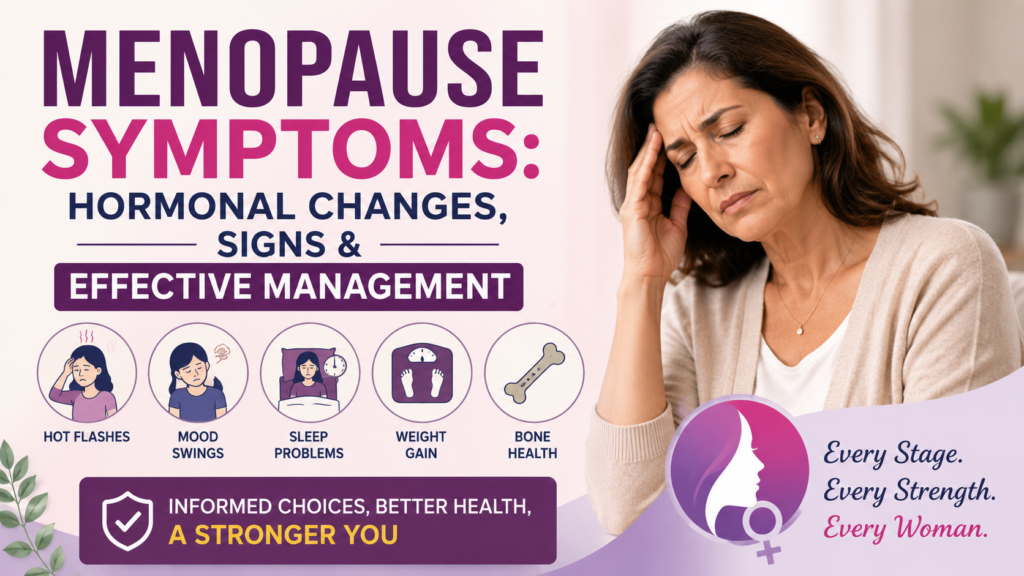
Menopause is a natural stage in every woman’s life that marks the end of menstrual cycles. It usually occurs between the ages of 45 and 55, although the timing can vary.
During this transition, the body undergoes significant hormonal changes that affect physical, emotional, and mental well-being. Understanding menopause symptoms can help women prepare for this phase and seek the right support when needed.
If you’re experiencing changes in your body, consulting a specialist or seeking family health consultation in sector 102 Gurgaon can help identify whether these changes are related to menopause and guide you toward appropriate care.
See More: Common Vaginal Infections and Their Treatment: Causes and Care Guide
What Is Menopause?
Menopause is officially diagnosed after 12 consecutive months without a menstrual period. It is caused by a gradual decline in estrogen and progesterone production by the ovaries. The transition usually happens in three stages:
- Perimenopause: The years leading up to menopause when hormones fluctuate.
- Menopause: The point when menstrual periods stop permanently.
- Postmenopause: The years after menopause, when hormone levels remain consistently low.
Recognizing menopause symptoms early allows women to make informed lifestyle and healthcare decisions.
Why Hormonal Changes Occur
The ovaries gradually reduce the production of estrogen and progesterone as women age. These hormones regulate reproductive health, bone strength, heart health, mood, and metabolism. When hormone levels decline, many body systems are affected, resulting in a variety of physical and emotional changes.
These hormonal shifts happen naturally but may vary in intensity from person to person depending on genetics, lifestyle, and overall health.
Common Signs and Menopause Symptoms
Every woman experiences menopause differently. Some notice only mild discomfort, while others may experience more significant changes.
Common menopause symptoms include:
- Hot flashes and night sweats
- Irregular or missed periods
- Mood swings and irritability
- Sleep disturbances
- Vaginal dryness
- Reduced libido
- Fatigue
- Difficulty concentrating
- Weight gain
- Joint and muscle discomfort
These symptoms can begin several years before menopause and may continue afterward for varying durations.
How Hormonal Changes Affect Overall Health
Hormonal changes during menopause influence much more than reproductive health. Lower estrogen levels can impact multiple body systems, increasing the need for preventive healthcare.
Possible long-term effects include:
- Reduced bone density and higher osteoporosis risk
- Increased cardiovascular disease risk
- Changes in cholesterol levels
- Slower metabolism
- Skin dryness and reduced elasticity
- Hair thinning
Monitoring menopause symptoms regularly helps healthcare providers recommend timely lifestyle modifications or treatments.
Effective Ways to Manage Menopause
Although menopause cannot be prevented, its effects can often be managed successfully through healthy habits and medical guidance.
Helpful management strategies include:
- Eat a balanced diet rich in calcium, protein, and vitamin D.
- Exercise regularly with strength training and walking.
- Maintain a healthy body weight.
- Practice stress management through yoga or meditation.
- Avoid smoking and limit alcohol consumption.
- Stay hydrated throughout the day.
- Maintain a consistent sleep schedule.
Women experiencing severe menopause symptoms should consult a qualified healthcare professional to discuss personalized treatment options.
Medical Treatment Options
Treatment depends on symptom severity, age, and medical history. Healthcare providers may recommend:
- Hormone Replacement Therapy (HRT) for suitable candidates
- Non-hormonal medications for hot flashes
- Vaginal moisturizers or localized estrogen therapy
- Calcium and vitamin D supplementation
- Counseling or cognitive behavioral therapy for mood-related concerns
Regular health checkups ensure treatment remains safe and effective while addressing changing health needs.
Daily Lifestyle Tips for Better Comfort
Simple daily habits often improve quality of life during menopause.
Practical recommendations:
- Wear lightweight clothing to reduce hot flashes.
- Keep bedrooms cool at night.
- Limit spicy foods, caffeine, and sugary drinks if they trigger symptoms.
- Include fruits, vegetables, whole grains, and healthy fats in meals.
- Stay physically active most days of the week.
- Build a support network with family and friends.
These lifestyle adjustments can significantly reduce the impact of menopause symptoms while promoting long-term wellness.
When Should You See a Doctor?
While menopause is a natural process, some situations require medical evaluation.
Seek professional care if you experience:
- Extremely heavy or prolonged bleeding
- Bleeding after menopause
- Severe depression or anxiety
- Persistent sleep problems
- Frequent fractures or significant bone pain
- Symptoms that interfere with daily activities
Early diagnosis helps rule out other health conditions and ensures appropriate treatment.
Quick Takeaways
- Menopause is a natural biological transition caused by declining estrogen and progesterone.
- Menopause symptoms vary from woman to woman and may begin during perimenopause.
- Healthy eating, exercise, quality sleep, and stress management support overall well-being.
- Medical treatment is available for women with moderate to severe symptoms.
- Regular health checkups improve long-term health and quality of life.
You can also explore related topics such as hormonal health, women’s wellness, healthy aging, osteoporosis prevention, and preventive gynecological care as valuable internal resources to better understand this life stage.
Conclusion
Understanding menopause symptoms empowers women to manage this natural transition with confidence. Although hormonal changes can affect many aspects of daily life, a healthy lifestyle, regular medical care, and timely treatment can significantly reduce discomfort and improve overall well-being.
Staying informed, monitoring changes, and seeking professional guidance when needed ensures better health during menopause and beyond. With the right support and proactive care, women can navigate this stage while maintaining an active, healthy, and fulfilling life.