
10 Best Foods That Can Support Breastfeeding Naturally

Simple Weight Management Tips That Can Help Women with PCOS
July 14, 2026
Menopause Symptoms: Hormonal Changes, Signs & Effective Management
July 29, 2026
For new mothers, proper nutrition plays a vital role in maintaining energy levels and supporting healthy milk production. Along with pregnancy care in sector 102 gurgaon, many healthcare professionals recommend a balanced diet rich in essential nutrients during the breastfeeding journey.
While no single food can instantly increase milk supply, choosing the right breastfeeding foods can provide the vitamins, minerals, healthy fats, and protein needed for both mother and baby.
READ MORE: Stretch Marks in Pregnancy: Causes, Prevention, and Effective Care
Why Nutrition Matters During Breastfeeding
Breastfeeding requires additional calories, hydration, and nutrients to support milk production and maternal recovery. A healthy eating pattern helps maintain energy, strengthens immunity, and ensures babies receive nutrient-rich breast milk.
Rather than relying on supplements alone, including wholesome breastfeeding foods in daily meals is one of the safest and most effective ways to support lactation naturally.

1. Oats
Oats are among the most recommended breastfeeding foods because they are rich in iron, fiber, and complex carbohydrates. Iron helps reduce the risk of postpartum fatigue, while fiber supports healthy digestion.
Quick Tip:
- Enjoy oatmeal with fresh fruits and nuts for a nutrient-packed breakfast.
2. Green Leafy Vegetables
Spinach, fenugreek leaves, kale, and moringa leaves contain iron, calcium, folate, and antioxidants. These nutrients support overall maternal health while contributing to a balanced breastfeeding diet.
Adding leafy vegetables to soups, curries, or smoothies makes them easy to include regularly.
3. Salmon and Other Fatty Fish
Fatty fish such as salmon provide omega-3 fatty acids, particularly DHA, which supports infant brain and eye development.
Choose cooked fish two to three times a week while avoiding varieties with high mercury levels. Among healthy breastfeeding foods, salmon offers an excellent combination of protein and healthy fats.
4. Eggs
Eggs are packed with high-quality protein, choline, vitamin D, and vitamin B12. Choline plays an important role in your baby’s brain development.
They are versatile and easy to prepare, making them an excellent option for busy mothers recovering after childbirth.
5. Nuts and Seeds
Almonds, walnuts, flaxseeds, chia seeds, and sesame seeds contain healthy fats, protein, calcium, and omega-3 fatty acids.
Including these nutrient-dense breastfeeding foods as snacks or toppings can help maintain energy throughout the day.
Actionable Tip:
- Keep a small container of mixed nuts nearby for convenient healthy snacking.
6. Dairy Products
Milk, yogurt, and cheese provide calcium, protein, and probiotics that support bone health and digestive wellness.
If dairy is not suitable, calcium-fortified plant-based alternatives may also help meet nutritional requirements after consulting a healthcare provider.
7. Lentils and Beans
Lentils, chickpeas, kidney beans, and black beans are rich in plant protein, iron, and fiber.
These affordable breastfeeding foods help meet increased protein needs while supporting sustained energy and digestive health.
8. Sweet Potatoes
Sweet potatoes are rich in beta-carotene, vitamin C, potassium, and complex carbohydrates. Beta-carotene contributes to vitamin A production, an essential nutrient during breastfeeding.
Roasted, baked, or mashed sweet potatoes make nutritious additions to balanced meals.
9. Brown Rice and Whole Grains
Whole grains provide slow-releasing carbohydrates that help maintain stable energy levels throughout the day.
Choosing brown rice, quinoa, whole wheat bread, and millets instead of refined grains supports better nutrition and keeps mothers feeling fuller for longer. These wholesome breastfeeding foods also provide valuable B vitamins and fiber.
10. Fruits Rich in Vitamin C
Oranges, berries, kiwi, guava, papaya, and strawberries provide vitamin C, antioxidants, and hydration.
Fresh fruits help support immunity and tissue healing after delivery while adding natural sweetness without excessive processed sugar.
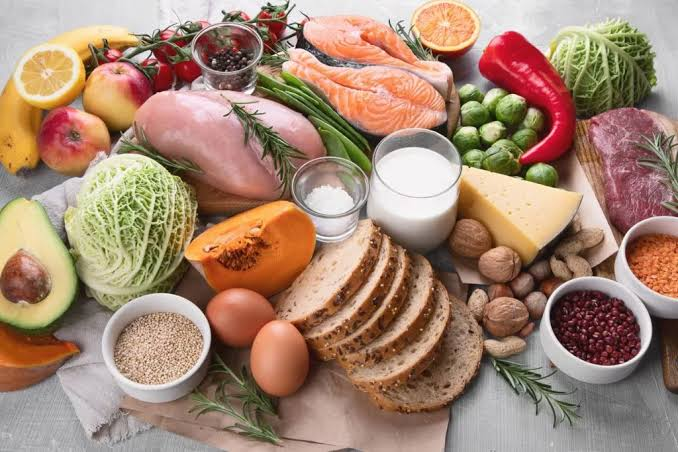
Foods and Habits That Support Healthy Breastfeeding
In addition to selecting nutritious breastfeeding foods, healthy daily habits can make a significant difference.
- Drink enough water throughout the day.
- Eat balanced meals instead of skipping meals.
- Include protein in every meal.
- Sleep whenever possible.
- Limit excessive caffeine.
- Avoid smoking and alcohol during breastfeeding.
- Consult your healthcare provider before using herbal lactation supplements.
When to Consult a Healthcare Professional
While most mothers can successfully breastfeed with good nutrition and proper support, some may experience low milk supply, pain, or difficulties with latching. Seeking early medical advice helps address concerns before they become more challenging.
Choosing a trusted maternity hospital in sector 102 gurgaon ensures access to experienced obstetricians, pediatricians, and lactation consultants who can provide personalized guidance throughout pregnancy, childbirth, and breastfeeding.
Quick Takeaways
- Eat a balanced diet with protein, healthy fats, fruits, vegetables, and whole grains.
- Stay hydrated every day.
- Prioritize nutrient-rich breastfeeding foods instead of processed snacks.
- Maintain regular meals to support energy and milk production.
- Seek professional advice if breastfeeding challenges continue.
Conclusion
A nutritious diet cannot guarantee increased milk supply, but it plays a major role in supporting maternal recovery and providing the nutrients needed for healthy breastfeeding.
Including a variety of breastfeeding foods such as oats, leafy greens, fatty fish, eggs, dairy, legumes, whole grains, fruits, nuts, and seeds helps create a strong nutritional foundation for both mother and baby.
Combined with adequate hydration, rest, and professional medical guidance, these healthy dietary choices can make the breastfeeding journey more comfortable, sustainable, and rewarding.