Stretch Marks in Pregnancy: Causes, Prevention, and Effective Care

What Diet Plan Should You Follow During Monthly Cramps? A Complete Nutritional Guide
June 19, 2026
Common Vaginal Infections and Their Treatment: Causes and Care Guide
June 24, 2026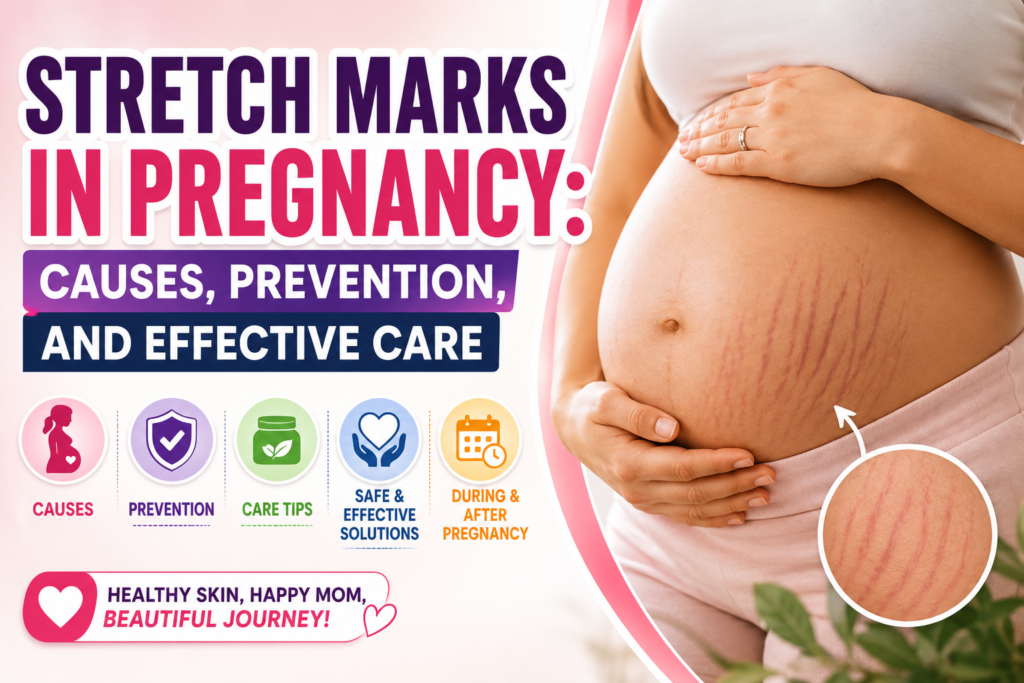
Pregnancy is a transformative journey that brings countless physical and emotional changes. As your baby grows, your body naturally adapts to support healthy fetal development. One of the most common skin-related changes experienced by expectant mothers is the appearance of stretch marks, medically referred to as striae gravidarum. Although they are completely normal and harmless, many women seek ways to prevent or minimize their appearance.
Stretch marks are a natural response to the rapid stretching of the skin during pregnancy. While they cannot always be prevented, understanding their causes and adopting healthy skincare practices can help maintain skin health and improve overall comfort. If you have concerns about skin changes or any aspect of your pregnancy, consulting specialists at a Maternity Hospital in Sector 102 Gurgaon can help ensure you receive personalized guidance and comprehensive prenatal care.
What Are Stretch Marks?
Stretch marks are narrow streaks or lines that develop when the skin stretches rapidly, causing microscopic tears in the collagen and elastin fibers that provide the skin with strength and elasticity. As these fibers heal, visible marks appear on the skin’s surface.
During pregnancy, stretch marks most commonly develop on the:
- Abdomen
- Breasts
- Hips
- Thighs
- Buttocks
Initially, they may appear pink, red, purple, brown, or dark brown, depending on your skin tone. Over time, these marks generally fade to a lighter, silvery shade, becoming less noticeable.
Although stretch marks are permanent, they are purely cosmetic and do not pose any health risk to either the mother or the baby.
Why Do Stretch Marks Occur During Pregnancy?
Stretch marks result from a combination of physical, hormonal, and genetic factors rather than skincare habits alone.
1. Rapid Skin Expansion
As pregnancy progresses, the uterus expands significantly to accommodate the growing baby. This rapid stretching places stress on the skin, leading to tiny tears in the deeper connective tissues.
2. Hormonal Changes
Pregnancy hormones, particularly increased cortisol levels, reduce the elasticity of collagen fibers. This makes the skin less flexible and more susceptible to tearing as it stretches.
3. Genetic Predisposition
Genetics play a significant role in determining whether you develop stretch marks. Women with a family history of pregnancy-related stretch marks are generally more likely to experience them.
4. Healthy Pregnancy Weight Gain
Weight gain is a normal and essential part of pregnancy. However, rapid weight gain can increase the amount of stretching the skin experiences, contributing to stretch mark formation.
5. Multiple Pregnancy
Women carrying twins or higher-order multiples often experience greater abdominal expansion, increasing the likelihood of developing stretch marks.
When Do Stretch Marks Usually Appear?
Stretch marks typically begin to appear during the second or third trimester, when fetal growth accelerates and the abdomen expands more rapidly.
Some women notice only a few faint lines, while others may develop more extensive markings depending on individual factors.
Risk Factors
Although every pregnancy is different, several factors may increase the likelihood of developing stretch marks, including:
- Family history of stretch marks
- Younger maternal age
- Rapid pregnancy weight gain
- Carrying a larger baby
- Multiple pregnancies
- Previous stretch marks during puberty or weight fluctuations
- Higher pre-pregnancy body weight
It is important to remember that even women with excellent skincare routines may still develop stretch marks due to hereditary factors.
Can Stretch Marks Be Prevented?
Currently, there is no scientifically proven method to completely prevent pregnancy stretch marks. Since genetics and hormonal changes play a significant role, prevention is not always possible.
However, maintaining healthy skin through proper nutrition, hydration, and skincare may improve skin elasticity and reduce the severity of stretch marks.
Effective Ways to Care for Your Skin During Pregnancy
Stay Well Hydrated
Adequate hydration supports overall skin health by maintaining moisture and improving skin flexibility.
Pregnant women should aim to consume sufficient fluids throughout the day, particularly during warmer months or periods of increased activity.
Follow a Balanced, Nutrient-Rich Diet
Proper nutrition contributes significantly to healthy skin.
Include foods rich in:
Vitamin C
Supports collagen production and tissue repair.
Sources include:
- Oranges
- Kiwi
- Guava
- Bell peppers
- Strawberries
Vitamin E
Helps protect skin cells from oxidative damage.
Sources include:
- Almonds
- Sunflower seeds
- Spinach
- Avocados
Protein
Essential for maintaining healthy skin structure.
Sources include:
- Eggs
- Lentils
- Dairy products
- Lean poultry
- Fish (as recommended during pregnancy)
Zinc
Supports skin regeneration and healing.
Sources include:
- Pumpkin seeds
- Chickpeas
- Whole grains
- Nuts
Moisturize Daily
Although moisturizers cannot prevent stretch marks, they help relieve dryness, tightness, and itching associated with expanding skin.
Pregnancy-safe moisturizers may include:
- Shea butter
- Cocoa butter
- Coconut oil
- Hyaluronic acid-based creams
- Fragrance-free pregnancy moisturizers
For best results, apply moisturizer immediately after bathing when the skin is still slightly damp.
Maintain Healthy Pregnancy Weight Gain
Gradual weight gain allows the skin to adapt more comfortably to bodily changes.
Always follow your obstetrician’s recommendations regarding appropriate weight gain based on your pre-pregnancy body mass index (BMI).
Stay Physically Active
Regular, pregnancy-safe exercise promotes healthy circulation and overall well-being.
Suitable activities may include:
- Walking
- Prenatal yoga
- Swimming
- Low-impact stretching exercises
Always seek medical advice before beginning any new exercise program during pregnancy.
Common Misconceptions About Stretch Marks
Myth: Expensive Creams Can Completely Remove Stretch Marks
Many cosmetic products claim to eliminate stretch marks entirely.
Fact: No topical cream has been scientifically proven to completely prevent or erase pregnancy stretch marks. Moisturizers improve skin comfort but cannot repair damaged collagen fibers beneath the skin.
Myth: Stretch Marks Indicate Poor Skin Care
Stretch marks are primarily influenced by genetics, hormones, and skin elasticity—not personal hygiene or skincare practices.
Myth: Only Pregnant Women Develop Stretch Marks
Stretch marks may also occur during:
- Puberty
- Rapid weight gain
- Significant muscle growth
- Hormonal changes
Treatment Options After Pregnancy
Although stretch marks naturally fade over time, women seeking cosmetic improvement may consider professional dermatological treatments after pregnancy and breastfeeding.
These treatments include:
Laser Therapy
Stimulates collagen remodeling and improves skin texture while reducing discoloration.
Microneedling
Encourages natural collagen production through controlled skin stimulation.
Chemical Peels
Can improve skin tone and texture in selected patients under professional supervision.
Prescription Retinoid Creams
Retinoid-based creams may improve newer stretch marks after pregnancy. However, they must never be used during pregnancy or while planning pregnancy, as they may pose risks to the developing baby.
Emotional Well-Being Is Equally Important
Pregnancy is a remarkable experience, and every physical change reflects the incredible process of nurturing new life. Stretch marks are one of the most common changes experienced by expectant mothers worldwide and should never be viewed as a flaw.
Instead of striving for perfection, focus on maintaining a healthy pregnancy, following your healthcare provider’s recommendations, and embracing the remarkable changes your body undergoes.
When Should You Consult a Healthcare Professional?
While pregnancy-related stretch marks are generally harmless, seek medical advice if you experience:
- Severe itching accompanied by a rash
- Painful or inflamed skin lesions
- Blistering
- Signs of skin infection
- Unusual skin changes unrelated to pregnancy
Prompt evaluation ensures that any underlying skin condition is identified and treated appropriately.
Conclusion
Stretch marks are a natural and common part of pregnancy, resulting from the body’s remarkable ability to adapt to a growing baby. Although they cannot always be prevented, maintaining a healthy lifestyle, staying hydrated, consuming a balanced diet, moisturizing regularly, and following your obstetrician’s guidance can support healthy skin throughout pregnancy.
Above all, remember that stretch marks are a testament to the extraordinary journey of motherhood. With time, they typically fade and become less noticeable. If you have concerns about pregnancy-related skin changes or require expert prenatal care, consulting experienced specialists at a Maternity Hospital in Sector 102 Gurgaon can provide the medical support, reassurance, and personalized care needed for a healthy pregnancy and a positive childbirth experience.