Unusual Vaginal Discharge: Causes, Symptoms and Treatment Options

Is Severe Menstrual Pain: Causes, Symptoms & When to See a Doctor
August 7, 2026
Can ovarian cysts Be Prevented? Causes, Risks and Helpful Tips
August 20, 2026
Vaginal discharge is a normal part of reproductive health, but when its color, smell, texture, or amount changes suddenly, it can signal an underlying problem that needs attention. Many women searching for answers about unusual discharge are also dealing with related concerns like irregular periods, pelvic pain, or hormonal imbalance, and often look for specialists offering menstrual disorders treatment in sector 102 Gurgaon for a complete gynecological evaluation. This guide breaks down what counts as normal, what causes abnormal changes, and how doctors diagnose and treat the condition effectively.
Quick Takeaway
- Normal discharge is usually clear to milky white, mild-smelling, and changes with the menstrual cycle.
- Unusual discharge that is yellow, green, gray, frothy, or foul-smelling often points to an infection.
- Itching, burning, pelvic pain, or discharge with blood outside your period warrants a doctor’s visit.
- Most causes are treatable with medication once properly diagnosed.
- Self-diagnosing based on internet searches alone can delay proper treatment.
What Is Normal Vaginal Discharge?
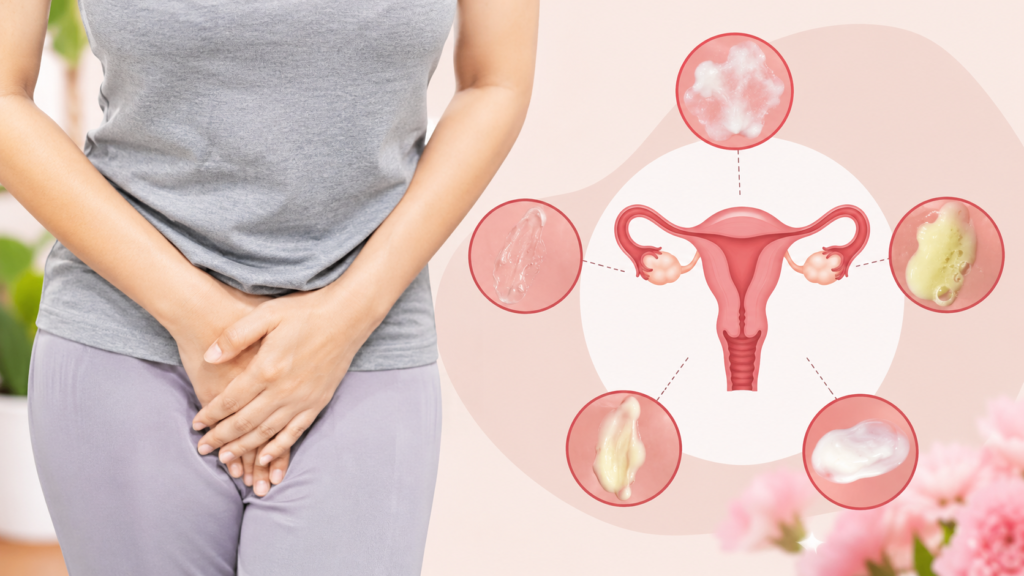
The vagina naturally produces fluid to clean itself, maintain a healthy pH, and protect against infection. This fluid consists of cervical mucus, vaginal cells, and bacteria that keep the vaginal environment balanced. Normal discharge typically appears clear or white, has little to no odor, and varies in consistency throughout the menstrual cycle — thinner and stretchy around ovulation, thicker afterward. Recognizing this baseline helps you notice when something is genuinely off rather than reacting to normal fluctuations.
What Causes Unusual Vaginal Discharge?
When vaginal discharge changes in color, consistency, volume, or smell, it usually indicates a shift in the vaginal ecosystem. Below are the most common medical causes.
1. Bacterial Vaginosis (BV)
BV occurs when the natural balance of bacteria in the vagina is disrupted, allowing harmful bacteria to outnumber beneficial ones. It’s one of the most frequent causes of abnormal discharge and typically produces a thin, grayish-white fluid with a strong fishy odor, especially after intercourse.
2. Yeast Infections
Caused by an overgrowth of the fungus Candida, yeast infections lead to thick, white, cottage-cheese-like discharge accompanied by intense itching and irritation. Antibiotic use, uncontrolled diabetes, and hormonal changes can trigger this overgrowth.
3. Trichomoniasis and Other STIs
Sexually transmitted infections such as trichomoniasis, chlamydia, and gonorrhea can cause frothy, yellow-green discharge with an unpleasant odor. These infections often present with additional symptoms like pain during urination or intercourse and require prompt testing and treatment to prevent complications.
4. Hormonal Fluctuations
Pregnancy, birth control pills, perimenopause, and stress can all alter hormone levels, which in turn changes the volume and consistency of discharge. While often harmless, sudden or drastic changes should still be evaluated.
5. Pelvic Inflammatory Disease (PID)
Untreated infections can spread to the uterus, fallopian tubes, and ovaries, causing PID. This condition produces abnormal discharge along with lower abdominal pain, fever, and irregular bleeding, and needs urgent medical care to protect fertility.
6. Cervical or Vaginal Polyps and Growths
Non-cancerous growths on the cervix or vaginal walls can cause increased or blood-tinged discharge, particularly after intercourse. Though usually benign, they should be examined to rule out other causes.
7. Poor Hygiene Practices or Irritants
Scented soaps, douches, tight synthetic underwear, and harsh feminine hygiene products can irritate the vaginal lining and disrupt its natural flora, leading to unusual discharge and discomfort.
Symptoms That Signal a Problem
Not every change in vaginal discharge is cause for alarm, but certain signs suggest it’s time to seek medical advice:
- Yellow, green, or gray color
- Thick, cottage-cheese-like texture
- Strong, fishy, or foul odor
- Frothy or bubbly appearance
- Blood-tinged discharge outside of your period
- Accompanying itching, burning, redness, or swelling
- Pelvic or lower abdominal pain
- Pain during urination or intercourse
- Increased volume that soaks through underwear daily
If you notice two or more of these symptoms together, it’s best to get evaluated rather than wait for the discharge to resolve on its own.
When Should You See a Doctor?
Book an appointment if the discharge:
- Persists for more than a few days without improvement
- Has an unusually strong odor
- Is accompanied by pelvic pain, fever, or pain during sex
- Appears after a new sexual partner or unprotected intercourse
- Occurs alongside missed periods or irregular bleeding
Waiting too long can allow infections like PID or untreated STIs to progress and affect long-term reproductive health, so early evaluation matters more than most people realize.
How Is the Cause of Unusual Vaginal Discharge Diagnosed?
A gynecologist typically follows a straightforward diagnostic process:
- Medical history review — questions about your menstrual cycle, sexual activity, hygiene habits, and current symptoms.
- Pelvic examination — a physical check of the vaginal walls and cervix for inflammation, growths, or unusual discharge.
- Vaginal swab test — a sample of the discharge is examined under a microscope or sent for lab culture to identify bacteria, yeast, or parasites.
- pH testing — vaginal pH levels help differentiate between bacterial vaginosis, yeast infections, and other causes.
- STI screening — blood or swab tests to check for chlamydia, gonorrhea, trichomoniasis, or other infections if sexually transmitted causes are suspected.
This structured approach allows doctors to pinpoint the exact cause rather than guessing based on symptoms alone, which is essential since many conditions share overlapping signs.
Treatment Options for Unusual Vaginal Discharge
Treatment depends entirely on the underlying cause identified during diagnosis:
- Bacterial Vaginosis — treated with prescription antibiotics such as metronidazole or clindamycin, available as oral tablets or vaginal gels.
- Yeast Infections — antifungal creams, suppositories, or oral medications like fluconazole typically clear the infection within a few days to a week.
- STIs — specific antibiotics or antiviral medications depending on the infection; partners should also be tested and treated to prevent reinfection.
- PID — a combination of antibiotics, and in severe cases, hospitalization may be required to prevent long-term damage to reproductive organs.
- Hormonal Causes — may involve adjusting birth control methods or managing underlying conditions like thyroid imbalance or diabetes.
- Polyps or Growths — minor in-office procedures can remove polyps that are causing abnormal discharge or bleeding.
Never self-treat with over-the-counter antifungal creams without confirming the actual cause first, since using the wrong treatment can worsen symptoms or mask a more serious infection.

Practical Tips to Maintain Healthy Vaginal Discharge
- Wear breathable, cotton underwear and avoid tight synthetic fabrics.
- Skip scented soaps, douches, and vaginal sprays — the vagina is self-cleaning.
- Wipe front to back to prevent bacteria from the rectal area entering the vagina.
- Change out of wet swimwear or sweaty workout clothes promptly.
- Practice safe sex and get regular STI screenings if sexually active with multiple partners.
- Stay hydrated and maintain a balanced diet to support hormonal stability.
- Track your menstrual cycle to notice patterns and catch unusual changes early — a habit that also supports broader reproductive health by helping you spot early signs of PCOS or fibroids.
- Schedule an annual gynecological check-up even without symptoms.
Conclusion
Unusual vaginal discharge is one of the most common reasons women seek gynecological care, and in most cases, it’s easily treatable once the underlying cause is identified. Paying attention to color, smell, texture, and accompanying symptoms helps you know when a change is simply part of your natural cycle versus a sign that needs medical attention. For accurate diagnosis and personalized treatment, consulting an experienced gynecology team makes all the difference — the specialists at Shree Matyai Hospital provide thorough evaluations and evidence-based treatment plans to help you restore comfort and confidence in your reproductive health.