Can ovarian cysts Be Prevented? Causes, Risks and Helpful Tips

Unusual Vaginal Discharge: Causes, Symptoms and Treatment Options
August 8, 2026
Urinary Infections in Women: 7 Signs You Should Never Ignore
August 22, 2026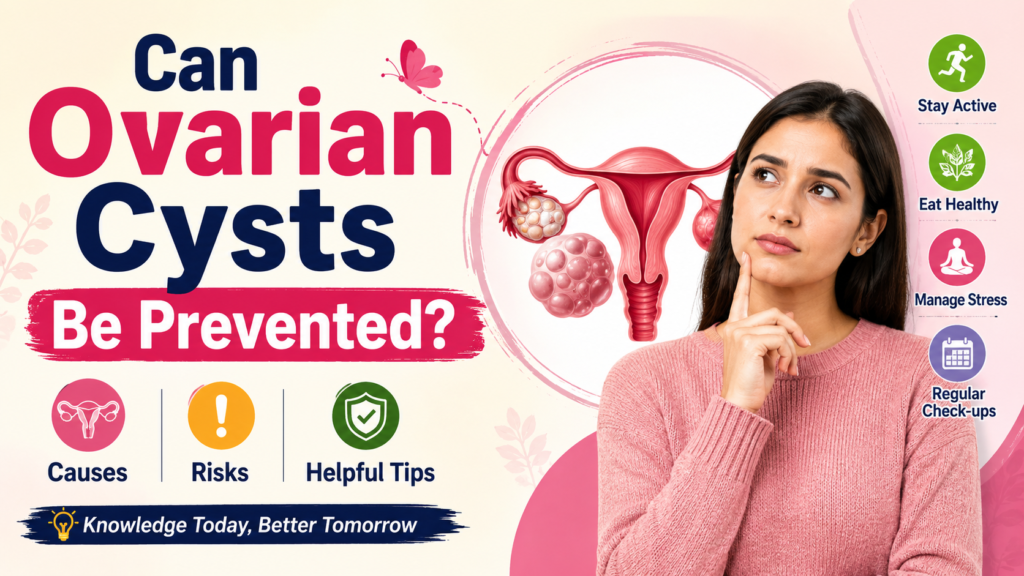
The short answer is: not always. Most ovarian cysts develop naturally as part of the menstrual cycle, so there is no guaranteed way to prevent them. However, understanding risk factors, managing related conditions, tracking menstrual changes, and seeking timely medical advice can help reduce complications and support reproductive health. If you are also researching PCOS treatment in sector 102 gurgaon, remember that PCOS and a simple ovarian cyst are not the same condition, even though the terms are often confused.
What are ovarian cysts?
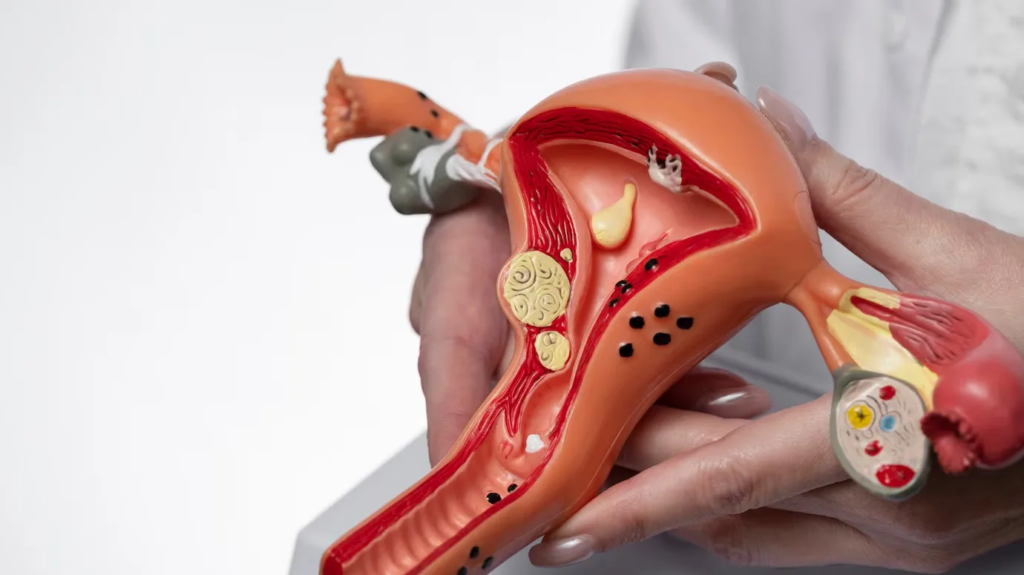
Ovarian cysts are fluid-filled sacs that develop in or on an ovary. They are common, and many cause no symptoms or disappear without treatment. Functional cysts are closely connected with ovulation: a follicle may fail to release an egg or may not shrink normally afterward, allowing fluid to collect. Other cysts can develop from abnormal cell growth or conditions such as endometriosis. Most are benign, but their significance depends on their size, appearance, symptoms, age, and whether menopause has occurred.
See more: Ovarian Cyst Removal: Everything You Need to Know Before Surgery
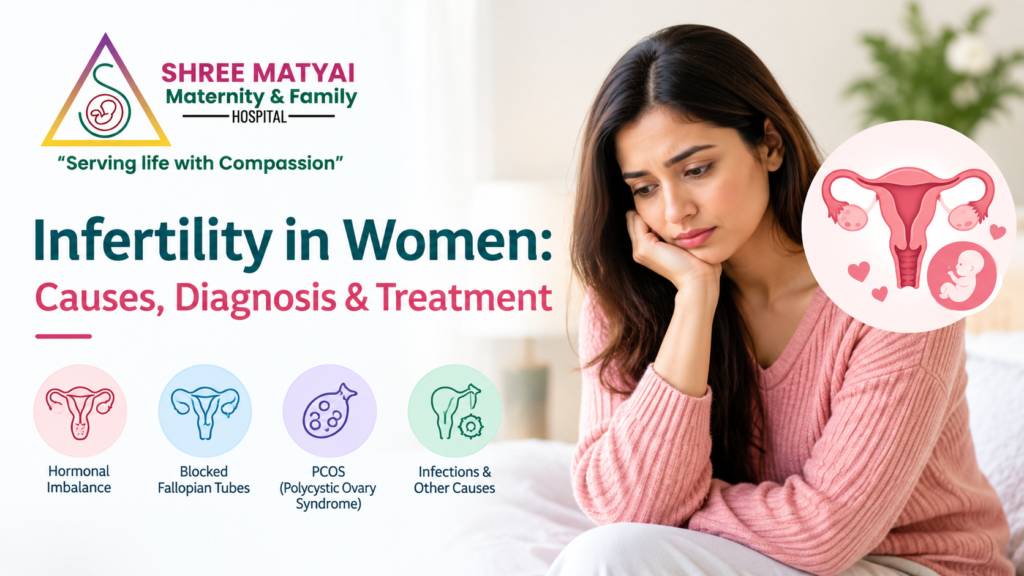
Can ovarian cysts Be Prevented?
For most people, there is no proven method that completely prevents ovarian cysts. Because many are linked to normal ovulation, they can occur even when someone follows a healthy lifestyle. Prevention is therefore better understood as reducing avoidable risks and detecting problems early.
Hormonal contraception may reduce the formation of some new functional cysts by suppressing ovulation, but it does not reliably shrink an existing cyst and is not appropriate for everyone. A gynecologist can help determine whether it fits your health needs and reproductive plans.
Common Causes and Risk Factors
The most common cause is the normal ovarian cycle. Functional cysts can form when a follicle continues growing instead of releasing an egg, or when the corpus luteum fills with fluid.
Other factors can increase risk. Endometriosis may cause endometriomas, while fertility medicines that stimulate ovulation can increase the chance of developing functional cysts. Pregnancy can also be associated with a cyst that persists temporarily. A history of previous cysts may make recurrence more likely, and severe pelvic infections can sometimes involve the ovaries.
It is also important to distinguish PCOS from a simple ovarian cyst. PCOS is a hormonal and metabolic condition that can involve many small follicles and irregular ovulation; it is not simply a collection of cysts.
What Symptoms Should You Watch For?
Many cysts have no noticeable symptoms and are discovered incidentally during an examination or ultrasound. When symptoms occur, they may include pelvic pain, abdominal pressure or fullness, bloating, pain during sex, changes in menstrual bleeding, or urinary or bowel pressure.
Sudden, severe pelvic or abdominal pain, especially with nausea, vomiting, fever, weakness, or dizziness, needs urgent medical assessment. These symptoms can occur when a cyst ruptures or contribute to ovarian torsion, a twisting that can reduce blood flow to the ovary.
Helpful Tips to Reduce Risk and Complications
You cannot control every cause, but several practical steps can improve awareness and overall reproductive care:
- Track your menstrual cycle and note unusual pain, bleeding, bloating, or changes that persist.
- Attend gynecologic checkups when recommended, particularly if you have recurring symptoms or a known cyst.
- Discuss hormonal medicines and fertility treatments with a qualified clinician rather than starting or stopping them on your own.
- If you have endometriosis, irregular periods, or another condition linked with cyst formation, follow an individualized treatment plan.
- Maintain regular physical activity, balanced nutrition, adequate sleep, and a healthy weight to support general well-being. These habits do not guarantee prevention.
- If an ultrasound identifies a cyst, follow the recommended monitoring schedule instead of assuming it will always disappear.

How are ovarian cysts diagnosed and treated?
Evaluation may include a medical history, pelvic examination, pregnancy testing, and pelvic ultrasound. The ultrasound helps clinicians assess the cyst’s size, location, and whether it appears fluid-filled or solid. Depending on age, symptoms, and imaging findings, additional tests or specialist assessment may be needed.
Treatment depends on the cyst’s characteristics and the person’s circumstances. Small, uncomplicated cysts may simply be monitored because many disappear within a few months. Surgery may be considered when a cyst is large, persistent, symptomatic, growing, or has concerning features. When surgery is necessary, clinicians often aim to preserve healthy ovarian tissue and fertility when appropriate.
Quick Takeaways
The key message is simple: most ovarian cysts cannot be completely prevented, and many are harmless and temporary. The most useful strategy is awareness rather than fear. Know your usual menstrual pattern, address underlying conditions, attend appropriate follow-up, and seek urgent care for severe or sudden symptoms.
If you have a diagnosed cyst, do not rely on home remedies or online claims to make it disappear. Ask a gynecologist what type of cyst is present, whether monitoring is enough, and when you need another ultrasound. Individualized medical advice is especially important after menopause, when a new cyst may require closer evaluation.
Final Thought
Prevention is not about eliminating every cyst; it is about recognizing risk factors, protecting reproductive health, and identifying concerning changes early. With appropriate evaluation and follow-up, many cysts can be managed safely without major treatment. For trusted gynecologic evaluation and personalized care, patients can discuss their symptoms and concerns with a qualified team at Shree matyai Hospital.