Irregular Periods: When Should You Consult a Gynecologist?

Postpartum Care: What Should a Mother Keep in Mind After Delivery?
September 3, 2026
Cervical Cancer: Symptoms, Causes, Stages & Treatment Options
September 8, 2026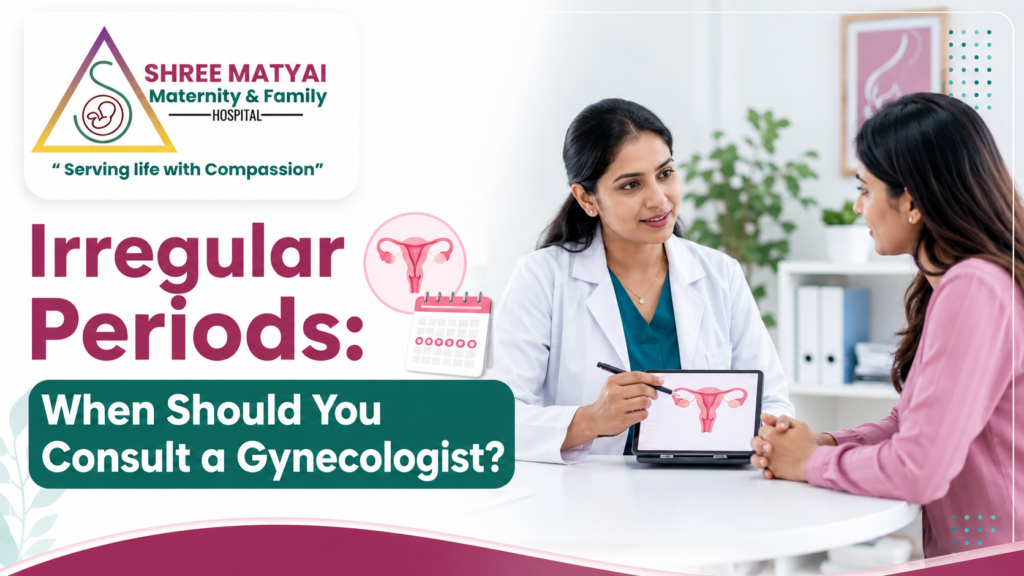
An occasional early or late period is usually not a reason to worry. However, frequent changes in cycle length, missed periods, unusually heavy bleeding, painful periods, or bleeding between cycles may signal an underlying health concern. These changes can sometimes be linked to hormonal imbalances, thyroid problems, stress, weight changes, PCOS, or other reproductive conditions. Paying attention to your menstrual pattern can help you recognize unusual changes and seek medical advice at the right time.
If irregular cycles continue for several months, become difficult to manage, or interfere with daily activities, consulting a gynecologist is recommended. Women seeking specialized care can consider Menstrual Disorders Treatment in Sector 102 Gurgaon at Shree Matyai Hospital. Timely evaluation can help identify the possible cause and support appropriate treatment for healthier menstrual cycles and overall reproductive well-being.
What Are Irregular Periods and What Causes Them?
A typical menstrual cycle commonly occurs every 21 to 35 days in adults, although individual patterns can vary. A cycle may be considered irregular when periods repeatedly occur outside a person’s usual pattern or when the timing changes significantly from month to month.
Common causes include hormonal fluctuations, stress, major changes in body weight, excessive exercise, thyroid disorders, polycystic ovary syndrome (PCOS), certain medications, and pregnancy. Menstrual changes can also occur naturally during puberty, after childbirth, while breastfeeding, and during perimenopause.
Common signs to watch for
Pay attention to changes such as:
- Periods that frequently arrive much earlier or later than expected
- Missing periods without an obvious reason
- Bleeding that lasts longer than seven days
- Very heavy menstrual flow
- Spotting between periods
- Bleeding after sexual intercourse
- Significant changes in menstrual pain
Keeping a simple period diary or using a cycle-tracking app can help identify patterns that may be useful during a medical consultation.
Menstrual Cycle Changes That Need Medical Attention
Occasional cycle variation can happen to many women. However, persistent irregular periods deserve attention, especially when they are accompanied by other symptoms.
You should consider consulting a gynecologist if your periods repeatedly become unpredictable, you miss several cycles, or your bleeding pattern changes suddenly. Medical evaluation is particularly important if you experience pelvic pain, unusual vaginal discharge, excessive fatigue, dizziness, unwanted facial hair, persistent acne, or unexplained weight changes.
When should you schedule an appointment?
Consider professional evaluation if:
- You miss three periods and are not pregnant.
- Your cycle consistently falls outside your normal pattern.
- Bleeding is unusually heavy or prolonged.
- You experience severe pelvic or menstrual pain.
- You bleed between periods or after intercourse.
- Menstrual changes occur with symptoms of hormonal imbalance.
- You are trying to conceive, and your cycle is consistently unpredictable.
Early evaluation can help determine whether the change is temporary or linked to a condition requiring treatment.
Hormonal Imbalance and Irregular Menstrual Cycles
Hormones play an important role in ovulation and menstruation. Changes involving estrogen, progesterone, thyroid hormones, prolactin, or other reproductive hormones can affect cycle timing.
Conditions such as PCOS are a common reason for irregular periods. PCOS may also cause acne, increased facial or body hair, weight changes, and difficulty with ovulation. Thyroid disorders can similarly affect menstrual regularity.
A gynecologist may recommend blood tests, a pregnancy test, a pelvic examination, or an ultrasound depending on your symptoms and medical history. The goal is not simply to regulate bleeding but to identify and address the underlying cause.
How lifestyle can influence your cycle
Lifestyle factors can affect reproductive hormones. Helpful measures may include:
- Eating a balanced diet with adequate protein, fiber, vitamins, and minerals
- Maintaining a healthy and stable body weight
- Getting regular moderate exercise
- Managing ongoing stress
- Getting adequate sleep
- Avoiding smoking and limiting excessive alcohol consumption
These habits support overall reproductive health, although lifestyle changes should not replace medical evaluation when symptoms persist.
PCOS and Irregular Periods: When to Get Checked
PCOS is one of the conditions frequently associated with menstrual irregularity. It can interfere with ovulation and may cause periods to become less frequent or unpredictable. Women seeking PCOS Treatment in Sector 102 Gurgaon can consult a gynecologist for proper evaluation and personalized care.
Women with irregular periods who also notice acne, increased facial hair, scalp hair thinning, or unexplained weight changes should discuss these symptoms with a gynecologist. PCOS does not look exactly the same in every woman, so diagnosis should be based on an appropriate clinical assessment rather than symptoms alone.
At Shree Matyai Hospital, discussing your complete menstrual history and associated symptoms can help a gynecologist determine which investigations may be appropriate.
Why diagnosis matters
Leaving persistent menstrual changes unexplained may delay treatment of conditions such as PCOS, thyroid problems, anemia, endometriosis, or other reproductive health concerns. Proper diagnosis can also help women who are planning pregnancy understand whether ovulation may be affected.
Heavy Bleeding and Other Warning Signs
Not every menstrual change requires urgent medical care, but certain symptoms should never be ignored. Very heavy bleeding can result in significant blood loss and may contribute to iron-deficiency anemia.
Seek prompt medical advice if you are soaking through sanitary products unusually quickly, passing very large blood clots, feeling faint or unusually weak, or experiencing severe abdominal or pelvic pain.
Emergency medical attention may be necessary when heavy bleeding is accompanied by fainting, severe weakness, intense pain, or possible pregnancy complications.
Other symptoms worth discussing
Changes in menstruation combined with persistent pelvic pain, fever, unusual discharge, pain during intercourse, or bleeding after intercourse should also be assessed. These symptoms can sometimes point toward infections, fibroids, endometriosis, or other gynecological conditions.
How Gynecologists Diagnose Menstrual Problems
A gynecologist generally begins with questions about your menstrual history, lifestyle, medications, previous pregnancies, symptoms, and family history. Keeping track of the first and last days of your periods can make this discussion more useful.
Depending on the situation, investigations may include:
- Pregnancy testing
- Complete blood count to check for anemia
- Thyroid or other hormone testing
- Pelvic ultrasound
- Evaluation for PCOS
- Additional tests based on symptoms and age
The treatment approach depends entirely on the underlying cause. It may involve lifestyle measures, medicines, hormonal treatment, nutritional support, or treatment for a specific gynecological condition.
Menstrual Disorders Treatment and Long-Term Care
Treatment for menstrual problems should be individualized rather than based on a one-size-fits-all approach. For some women, improving nutrition, sleep, stress management, or weight stability may help. Others may require medication or treatment for an underlying hormonal or reproductive condition.
If irregular periods continue despite healthy lifestyle habits, consulting a gynecologist is the safest way to understand why they are occurring. Treatment may focus on regulating cycles, controlling excessive bleeding, managing pain, improving ovulation, or addressing fertility concerns.
What you can do before your appointment
Prepare a record of:
- Dates of your last several periods
- Typical duration and amount of bleeding
- Pain or other menstrual symptoms
- Medications and supplements
- Recent weight or lifestyle changes
- Pregnancy possibility
- Any symptoms such as acne, excess hair growth, or pelvic pain
This information can make your consultation more efficient and help your doctor recognize patterns.
Quick Takeaways for Better Menstrual Health
The most important points to remember are:
- Occasional changes in cycle timing can be normal.
- Persistent changes should be evaluated rather than ignored.
- Heavy bleeding, severe pain, or repeated missed periods require medical attention.
- PCOS and thyroid disorders are among the conditions that can affect menstrual regularity.
- Tracking your cycle can help identify important changes.
- A gynecologist can determine whether testing or treatment is necessary.
- Avoid self-medicating with hormones or menstrual medicines without professional advice.
When Should You Consult a Gynecologist?
The answer depends on the severity, frequency, and associated symptoms. If your menstrual pattern has changed repeatedly, your periods have stopped unexpectedly, or bleeding and pain are affecting your daily activities, scheduling a gynecological consultation is advisable.
Do not wait for symptoms to become severe before seeking help. Timely assessment can identify treatable conditions and provide reassurance when no serious problem is present. Women experiencing persistent irregular periods should discuss their symptoms with a qualified gynecologist, especially when pregnancy is not the cause.
Final Thoughts on Menstrual Health and Care
Menstrual changes can result from temporary lifestyle factors or underlying health conditions, so understanding the reason behind them is more important than simply trying to control the symptoms. Tracking your cycle, maintaining healthy habits, and recognizing warning signs can support better reproductive health.
If menstrual changes are persistent, painful, unusually heavy, or associated with other symptoms, professional evaluation is recommended. Shree Matyai Hospital can be considered for gynecological consultation and appropriate evaluation when menstrual concerns require medical attention.
Frequently Asked Questions
Q – What causes irregular periods?
Common causes include stress, hormonal changes, PCOS, thyroid disorders, weight changes, and excessive exercise.
Q – When should I see a gynecologist?
Consult a gynecologist if cycle changes persist, periods are frequently missed, or bleeding is unusually heavy or painful.
Q – Can stress affect menstrual cycles?
Yes. Prolonged stress can affect hormone levels and may change the timing or duration of menstruation.
Q – Are irregular cycles a sign of PCOS?
They can be. PCOS commonly affects ovulation and may cause infrequent or unpredictable menstrual cycles.
Q – Can irregular cycles affect pregnancy?
Yes. Unpredictable cycles may sometimes indicate irregular ovulation, which can make conception more difficult.