Postpartum Care: What Should a Mother Keep in Mind After Delivery?

When Is the Best Time to Plan a Pregnancy?
August 27, 2026
Irregular Periods: When Should You Consult a Gynecologist?
September 5, 2026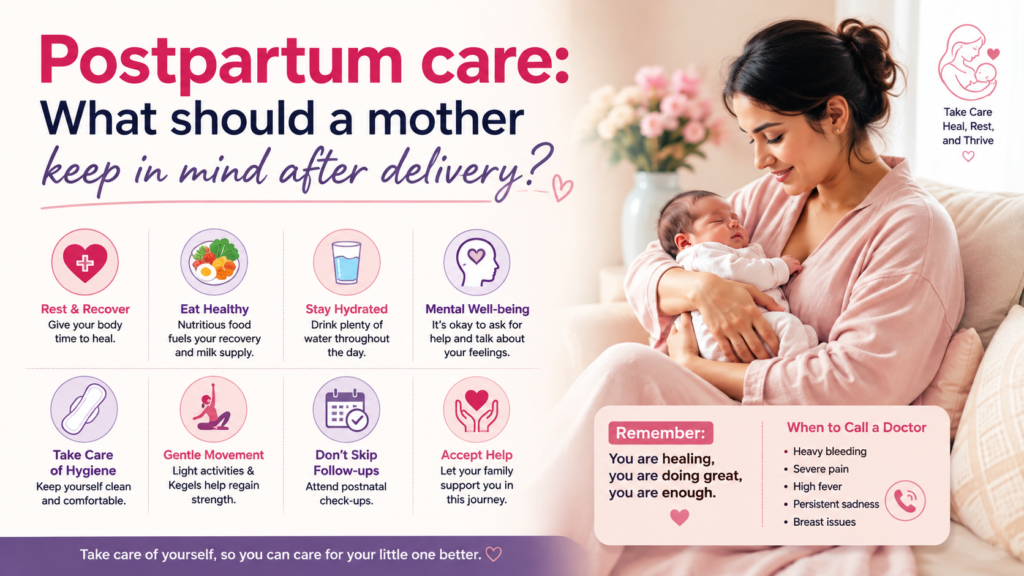
The weeks after childbirth are an important period of physical and emotional recovery. Good postpartum care helps a mother regain strength, manage common changes, identify warning signs early, and adjust to caring for a newborn. Mothers looking for professional guidance can also discuss their recovery with the team at Shree Matyai Hospital, including concerns related to pregnancy care in Sector 102 Gurgaon. Every mother’s recovery is different, so medical advice should be personalized according to the type of delivery, overall health, and pregnancy history.
What Is Postpartum Care?
Postpartum care refers to the physical, emotional, and medical support a mother receives after giving birth. Although the first six weeks are traditionally considered the postpartum period, some changes and health needs can continue for several months.
After delivery, the body gradually returns toward its pre-pregnancy state. The uterus contracts, vaginal bleeding decreases, hormones change, breast milk production begins, and wounds from vaginal tears, episiotomy, or cesarean delivery heal. A mother may also experience tiredness, mood changes, constipation, breast discomfort, or difficulty sleeping.
Regular follow-up appointments allow healthcare professionals to monitor recovery and address concerns before they become serious.
5 Importance of Postnatal Care
Understanding the 5 importance of postnatal care can help mothers recognize why follow-up should not be skipped.
1. Monitoring physical recovery
Healthcare professionals can check healing after delivery, blood pressure, bleeding, stitches, cesarean wounds, and other physical changes.
2. Supporting breastfeeding
A mother may need guidance with positioning, latching, milk supply, breast pain, or engorgement. Early support can make breastfeeding more comfortable.
3. Protecting emotional well-being
Hormonal changes, exhaustion, lifestyle changes, and the demands of newborn care can affect emotional health. Early discussion of persistent sadness or anxiety is important.
4. Detecting complications
Heavy bleeding, fever, severe abdominal pain, breathing difficulty, severe headache, vision changes, or wound problems can require prompt medical attention.
5. Planning ongoing health care
Postnatal visits can include contraception counseling, nutrition advice, pelvic-floor recovery, vaccination guidance, and discussion of future pregnancies.
These are key reasons postpartum care should be treated as an essential part of maternal healthcare rather than something that ends immediately after childbirth.
Essential After Delivery Care for Mother
Proper after-delivery care for the mother focuses on rest, nutrition, hygiene, wound care, physical recovery, and emotional support.
Get adequate rest
Newborns often wake frequently, making uninterrupted sleep difficult. Try to rest whenever possible and accept practical help from family members. Sleep deprivation can affect mood, concentration, and physical recovery.
Eat nutritious meals
A balanced diet should include protein, whole grains, vegetables, fruits, healthy fats, and adequate fluids. Mothers who are breastfeeding generally need sufficient calories and fluids to support their own health and milk production.
If anemia was diagnosed during pregnancy or delivery involved significant blood loss, ask a healthcare professional whether iron supplementation or additional testing is needed.
Maintain hygiene
Keep cesarean wounds, stitches, and the genital area clean according to medical instructions. Wash hands before caring for wounds or handling breast pumps and feeding equipment.
Manage constipation
Constipation can be common after childbirth. Drinking enough water, eating fiber-rich foods, and gradually becoming active can help. Ask a doctor before using medication if symptoms persist.
Manage Bleeding and Healing After Delivery
Vaginal bleeding after birth, called lochia, is normal and generally changes from heavier, red bleeding to lighter discharge over time. However, sudden heavy bleeding, large clots, dizziness, fainting, or weakness should not be ignored.
Mothers recovering from cesarean delivery should follow their surgeon’s instructions regarding wound care, lifting, driving, exercise, and returning to normal activities.
Do not compare your recovery with another mother’s experience. Healing time can vary considerably depending on the delivery and individual health.
Breastfeeding and Breast Health
Breastfeeding can require patience, especially during the first few weeks. A baby should generally feed frequently, and mothers should monitor whether the baby appears satisfied and is producing an appropriate number of wet and dirty diapers.
Painful nipples, persistent breast engorgement, blocked ducts, or symptoms such as fever and a painful, red area of the breast should be discussed with a healthcare professional.
Lactation support can be particularly helpful when a mother experiences repeated difficulty with latching or concerns about milk supply.
Watch for Postpartum Depression
Emotional changes are common after birth, but persistent or severe symptoms require attention. Postpartum depression can involve ongoing sadness, loss of interest, excessive worry, feelings of worthlessness, difficulty bonding with the baby, changes in sleep or appetite, or thoughts of self-harm.
The condition is treatable, and seeking help is not a sign of weakness. A partner or family member who notices significant changes in a mother’s behavior can also encourage her to speak with a healthcare professional.
If a mother has thoughts of harming herself or the baby, she should seek emergency medical help immediately rather than staying alone.

When Should a Mother Seek Medical Help?
Certain symptoms after childbirth require prompt medical assessment. Seek urgent medical attention for:
- Very heavy vaginal bleeding or rapidly soaking sanitary pads
- Severe or worsening abdominal or pelvic pain
- Fever or chills
- Foul-smelling vaginal discharge
- Severe headache, vision changes, or sudden swelling
- Chest pain or difficulty breathing
- Severe pain, redness, or discharge from a cesarean wound
- Painful swelling in one leg
- Confusion, hallucinations, or thoughts of self-harm or harming the baby
Knowing these warning signs is an important part of postpartum care because some postpartum complications can become serious quickly.
Gentle Exercise and Physical Recovery
Physical activity should return gradually. Short walks may be appropriate for many mothers when they feel ready, but recovery should be guided by the type of delivery and individual medical condition.
Pelvic-floor exercises may help strengthen muscles affected by pregnancy and childbirth. Mothers should also avoid immediately returning to strenuous workouts or heavy lifting unless cleared by their healthcare professional.
At Shree Matyai Hospital, mothers can discuss concerns about recovery, nutrition, breastfeeding, contraception, or returning to daily activities with an appropriate healthcare professional.
Sexual Health and Contraception After Birth
There is no universal timeline for resuming sexual activity after childbirth. Pain, vaginal dryness, fatigue, stitches, hormonal changes, and emotional readiness can all affect intimacy.
A healthcare professional can discuss when sexual activity is medically appropriate and suggest ways to manage discomfort.
Importantly, fertility can return before the first menstrual period. Therefore, mothers who do not want another pregnancy immediately should discuss suitable contraception options during their postnatal consultation.
Emotional Support and Family Involvement
Recovery is easier when mothers have practical and emotional support. Partners and family members can help with meals, household responsibilities, newborn care, and appointments.
Mothers should also be encouraged to communicate honestly about pain, exhaustion, anxiety, breastfeeding difficulties, or other concerns rather than feeling pressured to manage everything independently.
Another important aspect of after-delivery care for the mother is making time for mental and emotional recovery, even when the newborn requires constant attention.
Quick Takeaways for New Mothers
The most practical postpartum care tips include:
- Attend recommended postnatal checkups.
- Get as much rest as circumstances allow.
- Eat nutritious foods and drink enough fluids.
- Follow wound-care instructions carefully.
- Ask for breastfeeding support when needed.
- Start physical activity gradually.
- Pay attention to persistent mood changes.
- Know the warning signs that require urgent medical care.
- Discuss contraception and future pregnancy planning.
- Accept help from trusted family members or caregivers.
Recovery does not need to be perfect. Consistent support, appropriate medical follow-up, and attention to warning signs can make the transition into motherhood safer and more manageable.
Conclusion
A mother’s health deserves attention long after the baby is born. Good postpartum care includes physical recovery, nutritious food, adequate rest, breastfeeding support, emotional well-being, gradual activity, and timely medical follow-up. Mothers should never hesitate to seek help when symptoms feel unusual or overwhelming.
Professional guidance can make recovery more comfortable and help mothers understand what is normal and when treatment may be needed. For personalized maternal and postnatal guidance, Shree Matyai Hospital can support mothers through the recovery period and help address concerns related to physical and emotional well-being after childbirth.
Frequently Asked Questions
1. How long does postpartum recovery take?
Most mothers recover significantly within six weeks, but full recovery can take longer depending on their health and type of delivery.
2. What should a mother avoid after delivery?
Avoid heavy lifting, strenuous exercise, and activities restricted by your doctor. Do not ignore severe pain, heavy bleeding, fever, or wound problems.
3. Is bleeding normal after childbirth?
Yes, some bleeding is normal after delivery. However, very heavy bleeding, large clots, dizziness, or fainting needs immediate medical attention.
4. How can a mother manage Postpartum depression?
Talk to a doctor, mental health professional, or trusted family member. Postpartum depression is treatable with proper support and care.
5. Why are postnatal checkups important?
Postnatal checkups help monitor healing, breastfeeding, emotional health, and possible complications. They are an important part of the 5 importance of postnatal care.