When Is the Best Time to Plan a Pregnancy?

Contraception Options for Women: A Complete Guide
August 26, 2026
Postpartum Care: What Should a Mother Keep in Mind After Delivery?
September 3, 2026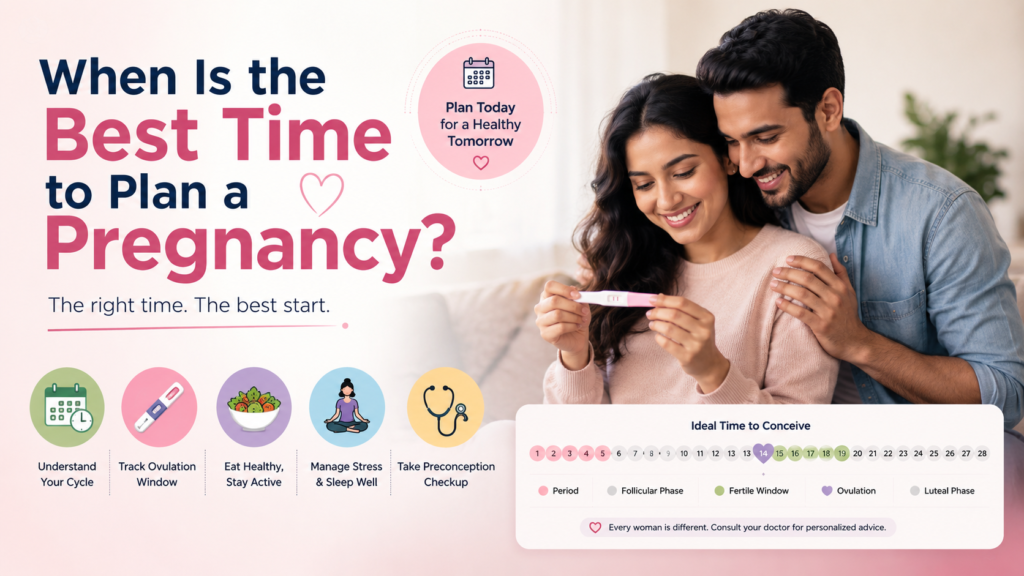
Deciding when to plan a pregnancy is an important personal choice that involves more than simply choosing a month or season. Good preparation can improve the chances of a healthy conception and pregnancy. Women considering pregnancy care in Sector 102 gurgaon can consult the medical team at Shree Matyai Hospital for personalized preconception guidance, especially when they have existing health concerns or are taking regular medicines.
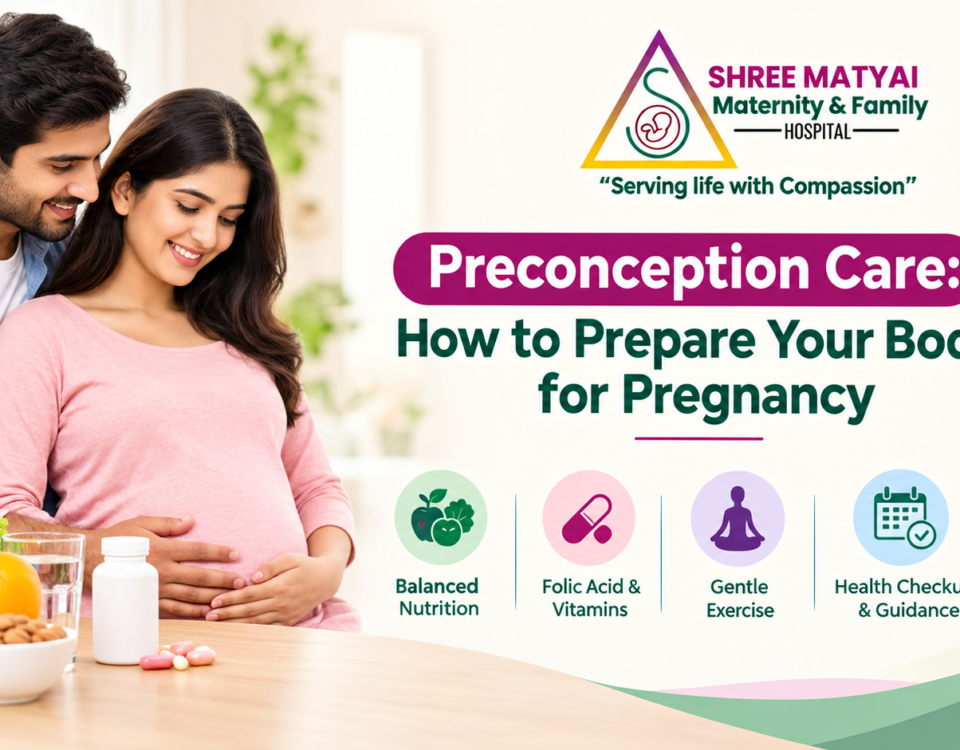
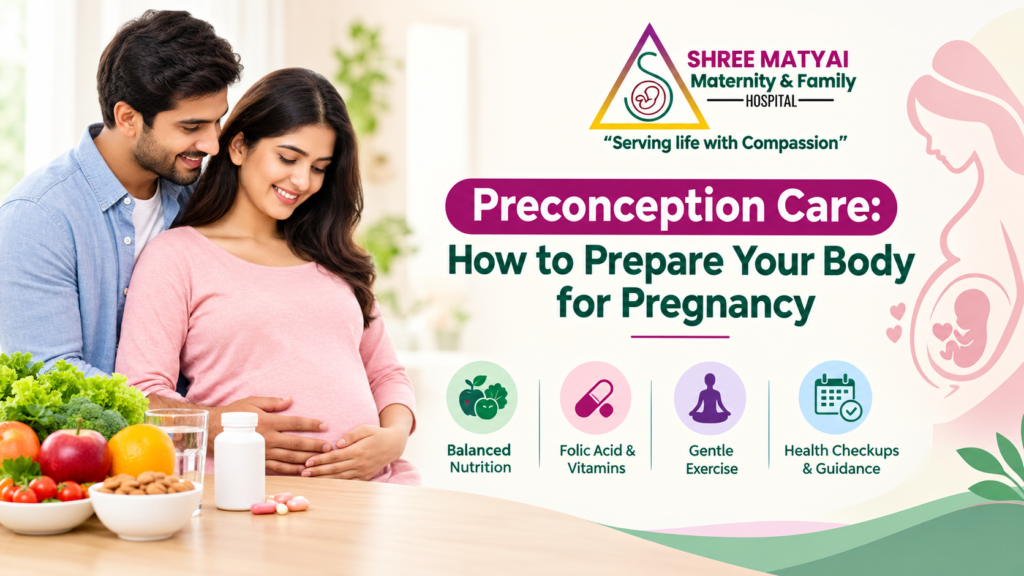
The best time to plan a pregnancy is generally when you feel physically and emotionally prepared, have reviewed your health with a healthcare professional, and have made appropriate lifestyle changes. Preconception care can identify health issues and risk factors before conception, giving you time to address them.
Start Preparing Before You Try to Conceive
It is helpful to begin preparation at least a few months before trying. This gives your body time to reach a healthier state and allows you to complete important medical checks.
A preconception appointment may include reviewing your medical history, menstrual cycle, previous pregnancies, medications, vaccinations, family history, nutrition, and lifestyle. Conditions such as diabetes, thyroid disorders, high blood pressure, obesity, or anemia may require attention before conception.
If you want to plan a pregnancy, do not wait until you receive a positive pregnancy test to start making healthy changes. Some important aspects of fetal development occur during the earliest weeks of pregnancy, sometimes before pregnancy is recognized.
Why Folic Acid Matters Before Conception
One of the most important preparations is taking folic acid. The CDC recommends that women who may become pregnant take 400 micrograms of folic acid daily, beginning at least one month before conception. Folic acid helps reduce the risk of serious neural tube defects affecting the baby’s brain and spine.
Women with certain medical or pregnancy histories may need a different dose, so supplementation should be discussed with a healthcare professional rather than self-prescribed at a higher amount.
When you plan a pregnancy, starting folic acid early is particularly useful because neural tube development happens very early, often before a woman knows she is pregnant.
Consider Age and Fertility When Planning
Age is another factor to consider when deciding when to plan a pregnancy. Fertility can change with age, and the decline becomes more noticeable as women get older. This does not mean pregnancy is impossible at an advanced reproductive age, but it may take longer to conceive and some pregnancy risks may increase.
Women who are older, have irregular periods, have a history of infertility, have had recurrent pregnancy loss, or have conditions affecting reproductive health may benefit from discussing their plans with a gynecologist earlier.
A personalized assessment can help determine whether additional fertility evaluation or preconception testing would be appropriate.
Prepare Your Body With Healthy Lifestyle Habits
Lifestyle habits can influence reproductive health and pregnancy outcomes. Before trying to conceive, focus on a balanced diet containing vegetables, fruits, whole grains, protein, healthy fats, and adequate fluids.
Regular physical activity can help support cardiovascular health, healthy weight, mood, and overall fitness. Avoid smoking, recreational drugs, and alcohol when preparing for pregnancy. It is also important to review workplace or environmental exposures that could potentially affect pregnancy.
If you plan a pregnancy, maintaining a healthy weight is also worth discussing with your doctor. Both being underweight and having obesity can be associated with fertility or pregnancy-related concerns.
Review Medicines, Vaccines and Health Conditions
Before conception, ask your doctor to review prescription medicines, over-the-counter products, and supplements. Some medications may not be appropriate during pregnancy, while others may need dose adjustments. Never stop an essential medicine without medical advice.
Vaccination status should also be reviewed before pregnancy. Certain vaccines, particularly live vaccines, may need to be given before conception, while other vaccines may be recommended during pregnancy.
At Shree Matyai Hospital, discussing your health history and pregnancy goals with a gynecologist can help you understand which checks and preparations are relevant to your individual situation.
Choose Timing Based on Your Health and Cycle
There is no universally perfect month or season to plan a pregnancy. Your overall health and readiness are generally more important than the calendar.
Understanding your menstrual cycle can help identify the fertile window. Ovulation typically occurs around the middle of the cycle, although timing varies between women and from cycle to cycle. Tracking periods, cervical mucus, or using ovulation predictor kits may help identify fertile days.
Couples should also consider emotional readiness, family support, work responsibilities, financial planning, and access to healthcare when deciding when to start trying.
Know When to Seek Medical Guidance
Many couples conceive naturally without extensive testing. However, medical advice may be useful before trying if there are irregular or absent periods, known reproductive conditions, previous pregnancy complications, recurrent miscarriages, or concerns about fertility.
If conception does not occur after a period of regular unprotected intercourse, a gynecologist can advise whether fertility evaluation is appropriate. The recommended timing of evaluation can vary depending on age, medical history, and individual circumstances.
Professional guidance can make it easier to plan a pregnancy based on your personal health rather than general assumptions.
Take a Thoughtful Approach Before Conception
The best time to plan a pregnancy is when you have had an opportunity to prepare your physical health, review medications and vaccinations, begin recommended folic acid supplementation, and discuss relevant medical concerns with a healthcare professional.
Pregnancy planning is not about achieving perfect health; it is about identifying manageable risks and making informed choices before conception. If you are preparing for parenthood, Shree Matyai Hospital can provide guidance to help you approach this important stage with greater confidence and appropriate medical support.
Frequently asked questions about pregnancy planning
What is the best age to plan a pregnancy?
There is no universal age that guarantees a healthy pregnancy. Fertility tends to decline with age, particularly from the mid-30s, so personal health and reproductive goals should be discussed with a healthcare professional.
How many monthsify my most fertile days?
Ovulation usually occurs about 10 to 16 days before the next period. Menstrual tracking, cervical mucus changes, and ovulation predictor kits can help estimate the fertile window.
Should I see a doctor before trying to conceive?
A preconception consultation is useful if you have a chronic condition, take regular medicines, have irregular periods, previous pregnancy complications, or fertility concerns.
How long should I try before seeking fertility help?
If you are under 36 and have regular unprotected sex, evaluation is commonly recommended after 12 months without conception. If you are 36 or older or have known fertility concerns, seek advice earlier.
Can lifestyle affect my chances of becoming pregnant?
Yes. Smoking, alcohol, recreational drugs, poor nutrition, unhealthy weight, and some medical conditions can affect fertility or pregnancy health. Improving overall health before conception can support a healthier start.