Karwa Chauth Fasting Tips for Pregnant Women: Essential Safety Precautions

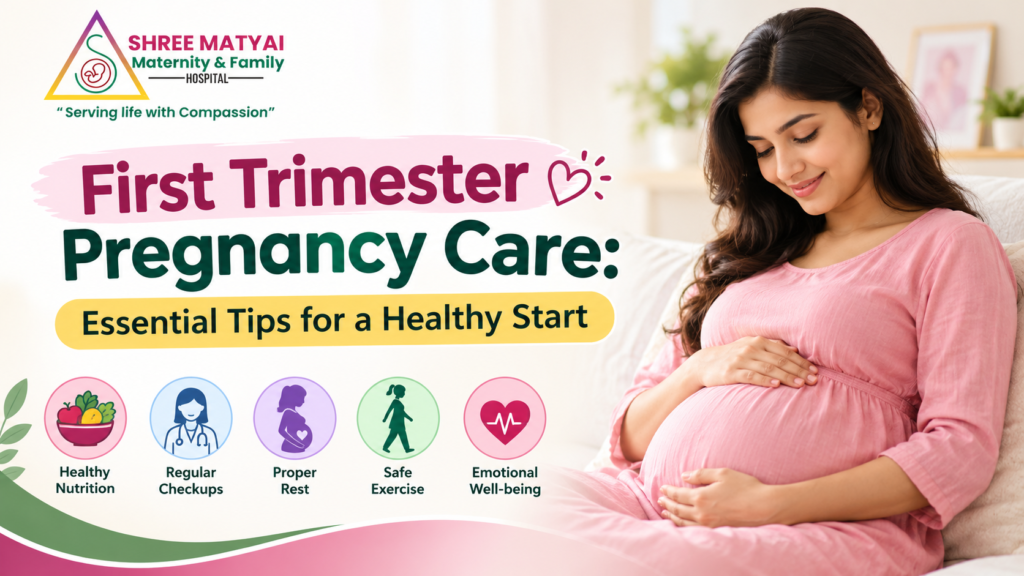
First Trimester Pregnancy Care: Essential Tips for a Healthy Start
October 26, 2026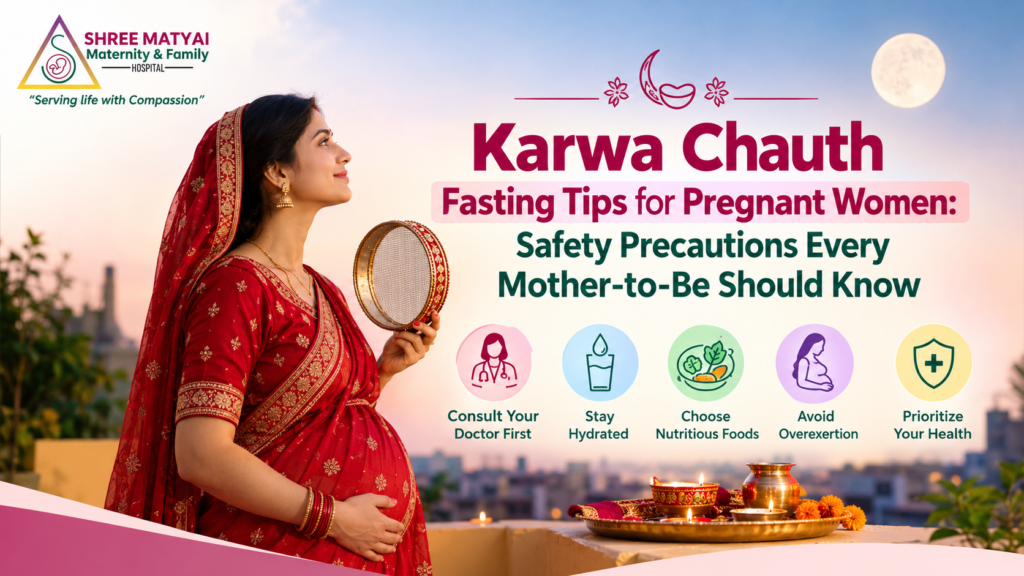
Karwa Chauth is a meaningful festival when married women observe a fast and pray for their husbands’ well-being. However, pregnancy brings additional nutritional and hydration needs, making fasting a decision that requires careful consideration. These Karwa Chauth Fasting Tips for Pregnant Women can help expectant mothers understand the possible risks, recognize warning signs, and make informed decisions about celebrating the festival safely.
Shree Matyai Hospital encourages pregnant women to prioritize their health and seek personalized medical guidance before making changes to their eating or drinking routine. If you need professional pregnancy guidance, consult a qualified obstetrician at a Maternity Hospital in Sector 102 Gurgaon, for advice tailored to your pregnancy.
Why Should Pregnant Women Be Careful About Karwa Chauth Fasting?
Traditional Karwa Chauth fasting may involve avoiding food and water from sunrise until moonrise. During pregnancy, the body needs a consistent supply of fluids and nutrients to support the mother’s health and the baby’s growth. Going without food or water for an extended period may increase the risk of dehydration, dizziness, weakness, and low blood sugar.
The risks can vary depending on the stage of pregnancy, existing medical conditions, weather, and the individual’s overall health. Women experiencing severe morning sickness, dehydration, anemia, diabetes, or other pregnancy complications may require additional precautions.
The safest approach is to discuss fasting with your obstetrician before Karwa Chauth. There is no single fasting recommendation suitable for every pregnant woman. Your doctor can help you understand the potential risks and decide whether avoiding a traditional fast or modifying your participation is more appropriate.
7 Karwa Chauth Fasting Tips for Pregnant Women
1. Consult Your Gynecologist Before Fasting
The first step is to discuss your plans with your gynecologist. Pregnancy needs differ from person to person, and even a healthy pregnancy can involve changing nutritional and hydration requirements.
Your doctor may consider your trimester, medical history, blood pressure, blood sugar levels, hydration status, and any pregnancy-related complications before advising you.
During your consultation, ask:
- Is fasting appropriate for my current stage of pregnancy?
- Could avoiding water or meals affect my health?
- Do I have any medical conditions that make fasting riskier?
- What are the safest ways to participate in the celebration?
Never assume that fasting is safe simply because you have observed Karwa Chauth in previous years without difficulty.
2. Avoid Prolonged Dehydration
Dehydration is one of the main concerns associated with a fast that prohibits drinking water. Pregnancy increases the importance of maintaining adequate fluid intake, particularly during hot weather or when experiencing vomiting.
If your doctor advises against a dry fast, do not avoid water to follow traditional fasting practices. Drink fluids regularly throughout the day and follow your healthcare professional’s recommendations.
Possible signs of dehydration include:
- Dark yellow urine or urinating less frequently than usual.
- Dry mouth and excessive thirst.
- Headaches, weakness, or dizziness.
- Feeling unusually tired or light-headed.
Severe dizziness, fainting, a rapid heartbeat, or an inability to keep fluids down warrants prompt medical assessment. Do not wait until moonrise to address concerning symptoms.
3. Eat Balanced Meals Instead of Skipping Food
Adequate nutrition is essential during pregnancy. Going without food for an extended period may cause weakness, nausea, headaches, or blood sugar fluctuations, particularly in women with diabetes or other metabolic concerns.
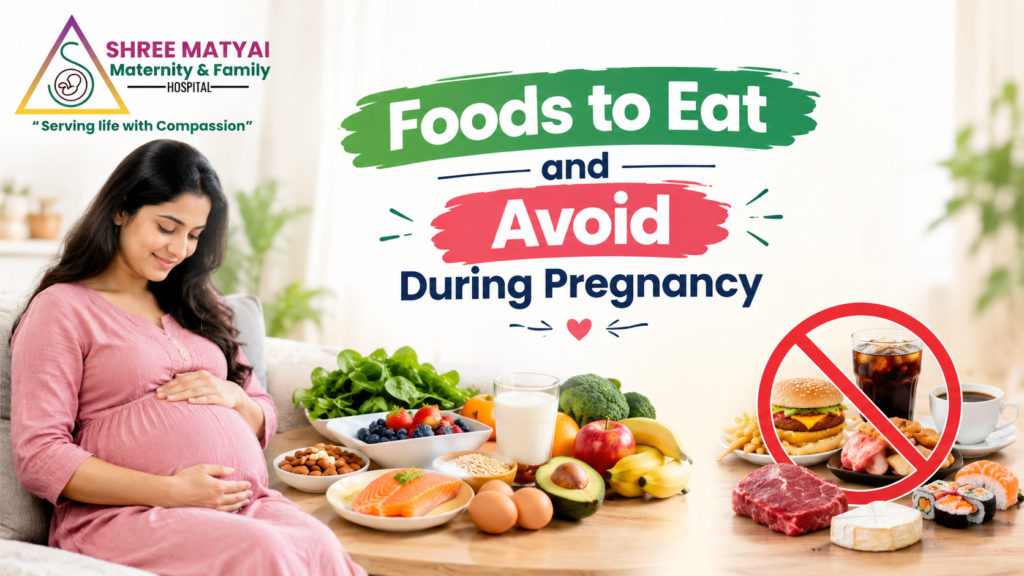
If your doctor recommends avoiding a traditional fast, maintain your regular meal schedule. Choose balanced meals containing carbohydrates, protein, healthy fats, vitamins, and minerals.
Suitable food choices may include:
- Whole grains, oats, or whole-wheat roti.
- Milk, yogurt, or other pasteurized dairy products.
- Well-cooked lentils, beans, and other protein-rich foods.
- Fresh, thoroughly washed fruits and vegetables.
- Nuts and seeds, if suitable for your dietary needs.
Avoid relying only on sweets, fried snacks, or sugary drinks. A balanced diet provides more consistent nourishment than a meal dominated by sugar.
4. Do Not Ignore Pregnancy-Related Symptoms
Pregnancy can cause nausea, fatigue, and occasional dizziness. However, these symptoms should not automatically be attributed to normal pregnancy changes, particularly when food or fluid intake has been restricted.
Stop fasting and seek medical advice if you experience significant weakness, persistent vomiting, dizziness, or symptoms suggesting dehydration or low blood sugar.
Seek urgent medical attention for fainting, confusion, severe abdominal pain, vaginal bleeding, chest pain, or difficulty breathing. If you are far enough along to monitor your baby’s usual movements, seek immediate maternity assessment for reduced or changed movements.
Your health and your baby’s well-being should always take priority over completing a fast.
5. Choose a Nourishing Pre-Fast Meal If Your Doctor Approves
Some women traditionally eat a meal before sunrise. However, eating a substantial meal before a prolonged fast does not eliminate the risks of dehydration or inadequate nutrition.
If your obstetrician approves a modified fasting routine, ask what and when you should eat and drink. A balanced meal may include whole grains, protein, fruit, and suitable dairy products.
For example, oatmeal with milk and fruit, or whole-wheat roti with well-cooked vegetables and yogurt, can provide a combination of nutrients.
Avoid excessively salty foods, which may increase thirst, and very sugary foods that provide limited nutritional value. Do not force yourself to eat large portions if you feel nauseated.
Most importantly, do not use a pre-dawn meal as a substitute for medical advice about prolonged food or fluid restriction.
6. Avoid Overexertion and Get Enough Rest
Preparing for Karwa Chauth may involve shopping, cooking, decorating, dressing up, and attending family gatherings. These activities can become tiring when combined with pregnancy-related fatigue.
If you are celebrating, consider the following precautions:
- Take regular breaks and avoid standing for long periods.
- Avoid strenuous exercise and excessive physical activity.
- Stay in a cool, comfortable environment.
- Ask family members to help with household preparations.
- Sit down immediately if you feel dizzy or weak.
Rest is particularly important if you are experiencing fatigue, nausea, or other pregnancy symptoms. However, rest alone cannot prevent the complications associated with prolonged dehydration or inadequate food intake.
7. Celebrate Karwa Chauth Without Compromising Your Health
Observing the festival does not have to mean following every fasting restriction. Pregnant women can participate in prayers, wear traditional clothing, enjoy family gatherings, and take part in other customs without necessarily going without food or water.
If your doctor advises against fasting, consider eating regular meals, drinking water throughout the day, and joining the evening celebrations.
Speak openly with your family about your healthcare professional’s recommendations. Your decision to prioritize your health should be respected.
Shree Matyai Hospital emphasizes the importance of individualized pregnancy care so that expectant mothers can make informed decisions about their daily routines, nutrition, and cultural celebrations.
Karwa Chauth During Different Trimesters: What Should You Know?
Pregnancy needs change throughout the three trimesters. Although the risks differ between individuals, no trimester automatically makes prolonged fasting without food or water safe.
First trimester: Nausea, vomiting, and food aversions are common during early pregnancy. Fasting may worsen these symptoms or make it harder to maintain adequate fluid and nutrient intake.
Second trimester: Some women experience improved energy levels, but the baby’s nutritional needs continue to grow. Feeling well does not guarantee that a prolonged fast is risk-free.
Third trimester: The mother’s hydration and nutritional needs remain important. Weakness, dizziness, or reduced fluid intake can be particularly concerning, and any change in the baby’s usual movements requires prompt assessment.
Regardless of the trimester, discuss your plans with your obstetrician before fasting. Your individual health, pregnancy history, and current symptoms matter more than the trimester alone.
What Should Pregnant Women Do If They Feel Unwell While Fasting?
If you develop symptoms during a fast, stop the fast rather than trying to endure the discomfort until moonrise.
- Sit or lie down safely to reduce the risk of falling.
- If you are conscious and able to swallow, drink water and eat something appropriate, unless your medical team has given you different instructions.
- Contact your healthcare professional for advice, especially if symptoms persist or recur.
- Seek urgent medical care for fainting, confusion, severe pain, vaginal bleeding, breathing difficulties, or reduced fetal movements when applicable.
If you have diabetes and use insulin or other blood-glucose-lowering medication, follow your clinician’s specific instructions for recognizing and treating low blood sugar. Do not delay treatment to preserve a fast.
When Should You Seek Medical Advice Before Karwa Chauth?
A pre-festival consultation is particularly important if you have diabetes, anemia, high blood pressure, kidney problems, persistent vomiting, a history of pregnancy complications, or any condition requiring regular medication or meals.
Your doctor may also recommend additional precautions if you have difficulty maintaining your weight, have been advised to follow a specific diet, or are experiencing concerns about your baby’s growth.
At Shree Matyai Hospital, expectant mothers can seek professional guidance about pregnancy-related concerns and the importance of making health-conscious decisions. Always consult a qualified obstetrician who can assess your individual circumstances rather than relying solely on general online advice.
Conclusion
Karwa Chauth is a special occasion, but pregnancy requires thoughtful decisions about nutrition, hydration, and physical well-being. Following these Karwa Chauth Fasting Tips for Pregnant Women can help you understand potential risks, recognize warning signs, and plan a celebration that respects both your traditions and your healthcare needs.
Remember that eating regularly, drinking sufficient fluids, getting adequate rest, and following your doctor’s recommendations are essential considerations during pregnancy. If a traditional fast is not advisable, you can still celebrate Karwa Chauth through prayers, family traditions, and other meaningful rituals.
Shree Matyai Hospital encourages every mother-to-be to put her health first and seek professional pregnancy guidance before fasting. A healthy pregnancy and the well-being of both mother and baby should always come first.
Frequently Asked Questions
Can pregnant women observe Karwa Chauth fast?
Pregnant women should consult their obstetrician before fasting. Prolonged food and water restriction may pose risks, and the safest decision depends on individual health and pregnancy circumstances.
Is fasting without water safe during pregnancy?
A prolonged dry fast can increase the risk of dehydration. Pregnant women should seek individualized medical advice and should not undertake a dry fast without their obstetrician’s guidance.
What should pregnant women eat before Karwa Chauth?
If advised to eat before a modified fast, choose a balanced meal containing whole grains, protein, fruit, and suitable dairy products. A pre-fast meal does not eliminate the risks of prolonged fasting.
What should a pregnant woman do if she feels dizzy while fasting?
Stop fasting, sit or lie down safely, and seek medical advice. If you are conscious and able to swallow, take fluids and suitable food unless your healthcare team has instructed otherwise. Seek urgent care if symptoms are severe.
Can pregnant women celebrate Karwa Chauth without fasting?
Yes. Pregnant women can participate in prayers, family gatherings, and other traditions without observing a food-and-water fast. They should prioritize their health and follow their doctor’s recommendations.