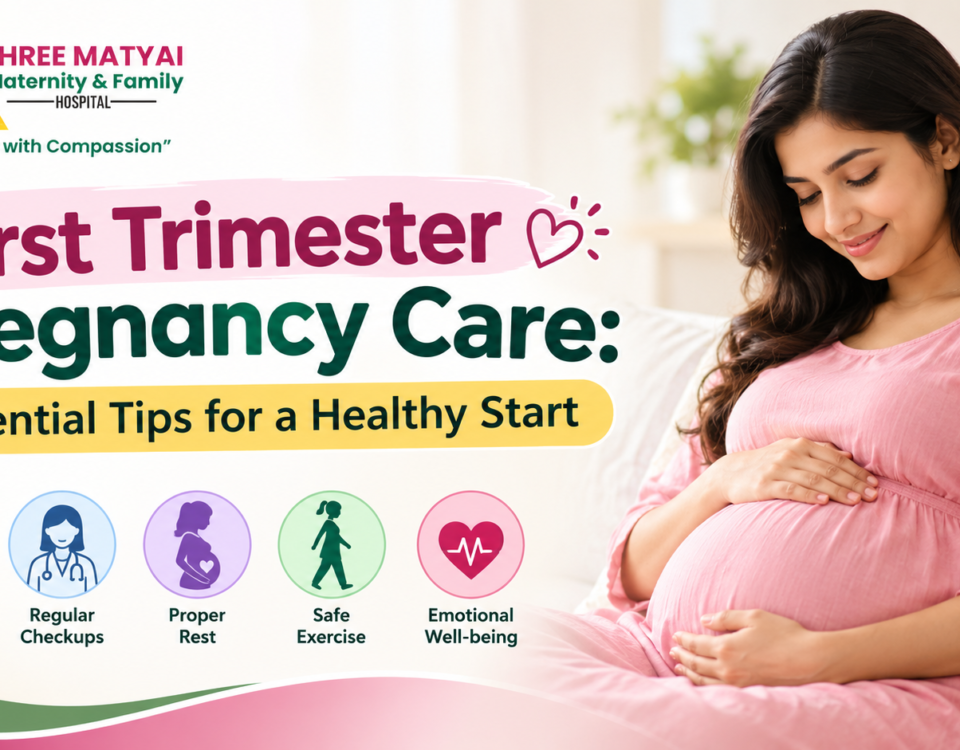
First Trimester Pregnancy Care: Essential Tips for Expecting Mothers

How to Improve Your Chances of Getting Pregnant: A Practical Guide
October 12, 2026
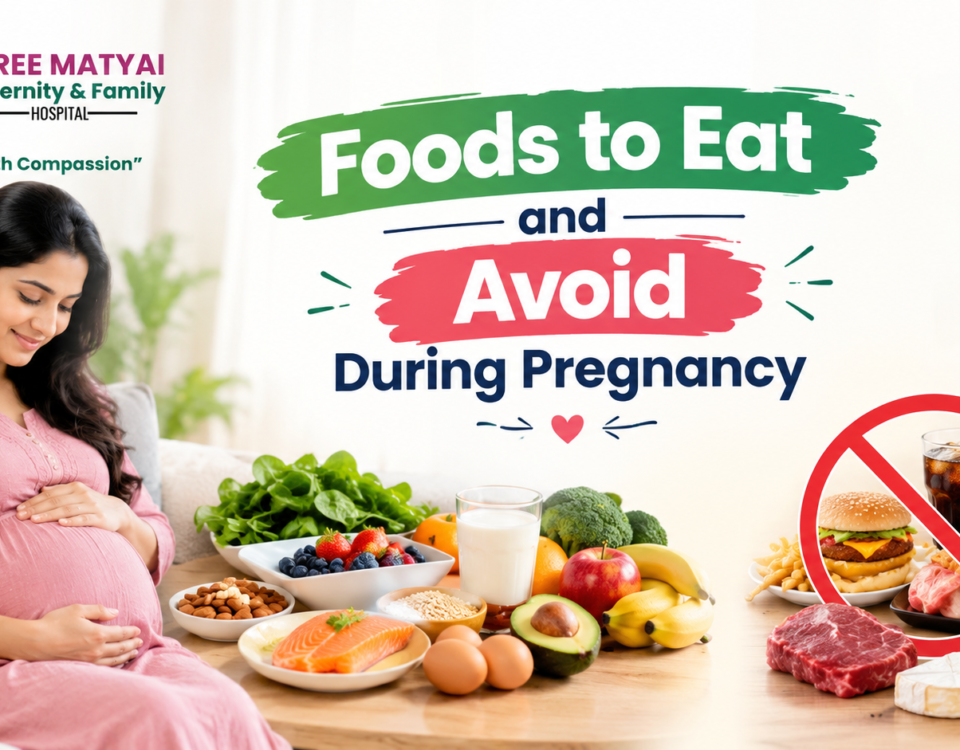
Foods to Eat and Avoid During Pregnancy
October 22, 2026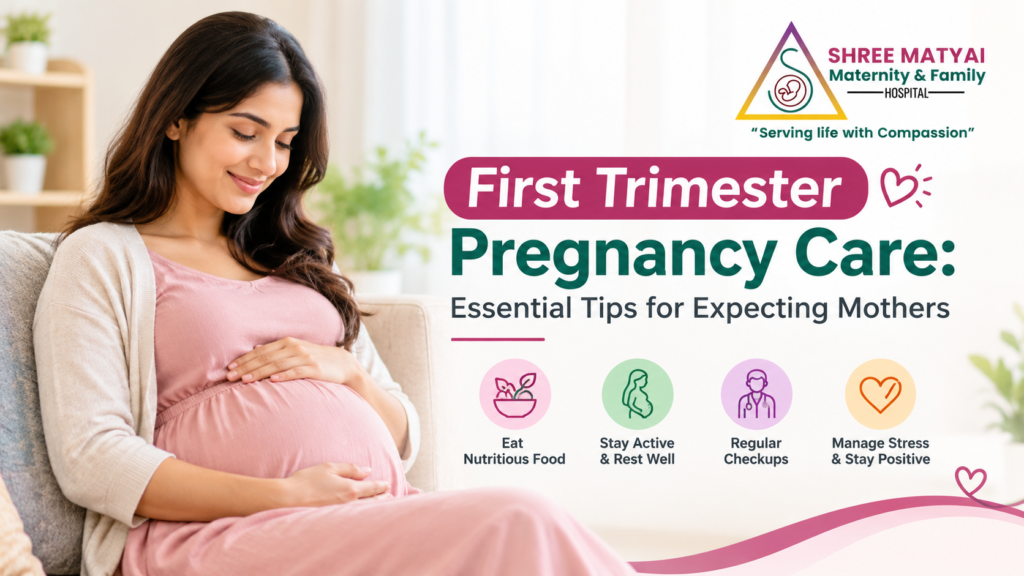
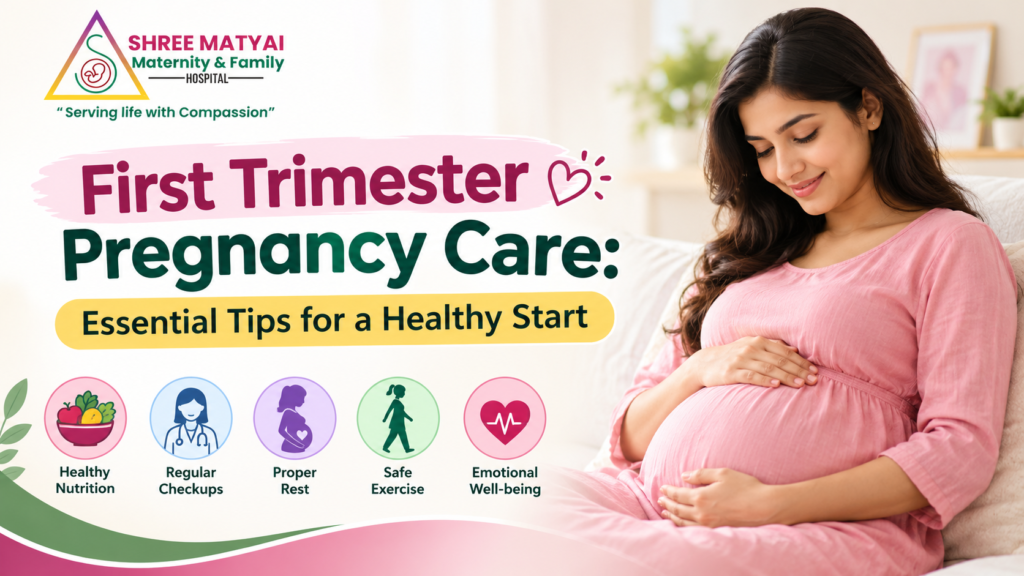
The first three months of pregnancy bring important physical and emotional changes as the baby begins to develop. During this period, expecting mothers need proper nutrition, regular medical checkups, adequate rest, and guidance on healthy daily habits. Understanding first trimester pregnancy care helps women manage early pregnancy symptoms, support fetal development, and recognize signs that require medical attention.
With professional guidance from Shree Matyai Hospital, mothers can make informed decisions about their health and prepare for a healthy pregnancy journey. Accessing reliable Pregnancy Care in Sector 102 Gurgaon can also help expecting mothers receive appropriate prenatal support from the beginning.
What Is First Trimester Pregnancy Care?
The first trimester extends from week 1 through week 12 of pregnancy. During this time, the embryo develops rapidly, and essential structures, including the brain, spinal cord, heart, and other organs, begin forming. Although some women experience noticeable symptoms, others may have relatively few early signs.
Proper prenatal care focuses on monitoring the mother’s health, identifying potential risks, and supporting the baby’s early development. It also helps women understand which foods, medications, activities, and lifestyle choices are appropriate during pregnancy.
Why Is the First Trimester Important?
The early weeks are a critical stage of fetal development. Healthy habits and timely medical advice can help reduce preventable risks and identify complications that need attention. Early prenatal appointments also allow healthcare professionals to review medical history, discuss supplements, and plan necessary tests.
When Should You Schedule Your First Prenatal Visit?
Contact your obstetrician as soon as you suspect or confirm pregnancy. Ideally, the first prenatal appointment should take place early in the first trimester, with timing based on your medical history and local clinical guidance. Do not delay care if you have pain, bleeding, or other concerning symptoms.
First Trimester Pregnancy Care: Essential Steps for a Healthy Start
Building healthy routines early can make pregnancy more manageable. Every pregnancy is different, so recommendations should be tailored to individual health needs.
1. Eat a Balanced and Nutritious Diet
A balanced diet provides nutrients that support maternal health and fetal growth. Include a variety of foods such as:
- Fresh fruits and vegetables for vitamins, minerals, and fibre.
- Whole grains such as oats, whole-wheat roti, and brown rice.
- Protein sources such as lentils, beans, eggs, thoroughly cooked poultry, and well-cooked fish with low mercury levels.
- Dairy products or suitable fortified alternatives for calcium.
- Nuts and seeds, if tolerated and appropriate for your diet.
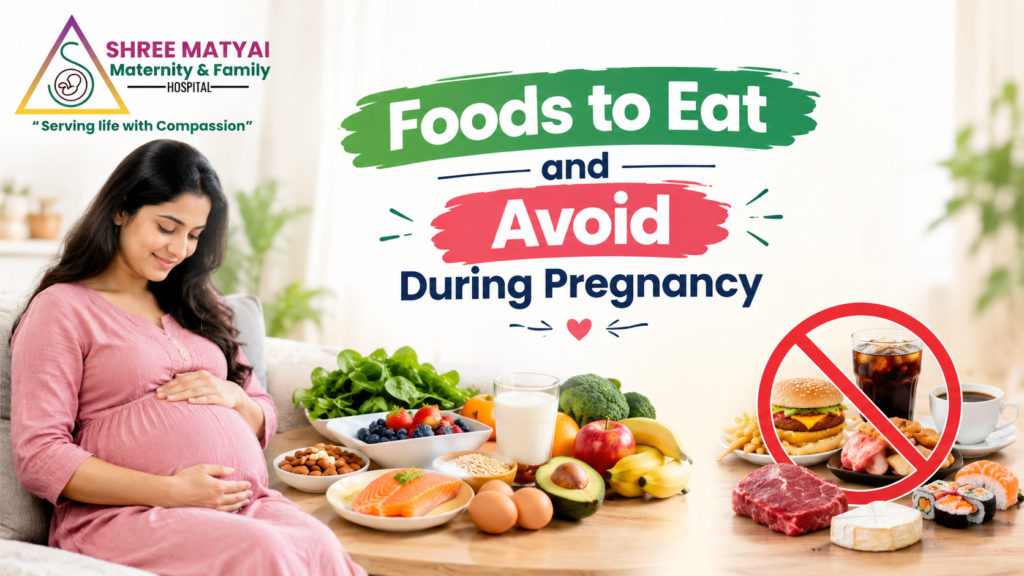
Eat smaller, frequent meals if nausea makes full meals difficult. Wash produce thoroughly and avoid raw or undercooked meat, eggs, and seafood, unpasteurized dairy products, and other foods that may increase the risk of foodborne infections.
2. Take Recommended Prenatal Supplements
Folic acid is particularly important during early pregnancy because it helps prevent neural tube defects. Many guidelines recommend 400 micrograms of folic acid daily for people who may become pregnant and during early pregnancy, although some women need a different dose based on individual risk factors.
Your doctor may also recommend iron, vitamin D, calcium, or other supplements depending on your diet, blood tests, and medical history. Avoid taking high-dose supplements or herbal products without medical advice, and do not use vitamin A supplements containing high amounts of retinol unless specifically directed by a qualified clinician.
3. Stay Hydrated Throughout the Day
Drinking enough water helps maintain normal body functions and may reduce dehydration caused by vomiting. Keep water nearby and take frequent small sips if nausea makes drinking difficult. Soups and other fluids can also contribute to hydration.
If you cannot keep liquids down, urinate much less than usual, or feel faint, seek medical advice promptly.
Managing Common First Trimester Pregnancy Symptoms
Hormonal changes can cause symptoms that vary in intensity from one woman to another. Simple adjustments may provide relief, but persistent or severe symptoms should be assessed by a healthcare professional.
Morning Sickness and Nausea
Nausea can occur at any time of day, not only in the morning. Try eating small meals regularly, choosing bland foods when needed, and avoiding smells or foods that trigger symptoms. Some women find ginger helpful, but supplements should be discussed with a clinician before use.
If vomiting becomes frequent or prevents you from eating and drinking, contact your doctor. Treatment options are available and may be necessary to prevent dehydration.
Fatigue, Breast Tenderness, and Mood Changes
Feeling tired is common during early pregnancy. Prioritize sleep, take short rest breaks, eat regularly, and engage in gentle physical activity if your clinician has not advised restrictions. Breast tenderness may improve with a supportive bra.
Emotional changes can also occur. Talk openly with your partner, family, or healthcare provider if you feel overwhelmed. Persistent sadness, anxiety, or difficulty managing daily life deserves professional support.
Healthy Lifestyle Habits During Early Pregnancy
Everyday choices can support your health while helping you prepare for the months ahead.
Exercise and Rest
For many uncomplicated pregnancies, moderate physical activity is safe and beneficial. Walking, gentle stretching, and pregnancy-appropriate exercise can support fitness and well-being. If you are new to exercise, start gradually and ask your healthcare provider what is suitable for you.
Avoid activities with a high risk of falling or abdominal injury, and follow medical advice if you have a high-risk pregnancy or specific restrictions. Aim for adequate sleep and listen to your body’s need for rest.
Avoid Alcohol, Tobacco, and Unapproved Medicines
There is no known safe amount of alcohol during pregnancy. Avoid smoking, vaping, recreational drugs, and second-hand smoke where possible. These exposures can affect pregnancy outcomes.
Before taking prescription medicines, over-the-counter pain relievers, herbal remedies, or supplements, consult your doctor or pharmacist. Do not stop prescribed medication abruptly without medical advice, as untreated conditions can also pose risks.
Important Prenatal Tests and Medical Checkups
Regular appointments help your healthcare team monitor your health and plan appropriate screening. Your first visit may include a review of your medical history, blood pressure measurement, blood and urine tests, and assessment of medications and vaccinations.
Depending on your circumstances, your clinician may recommend blood group and Rh testing, screening for anaemia and certain infections, and early ultrasound examinations. Screening for chromosomal conditions may also be discussed, including the timing, benefits, and limitations of available options.
Shree Matyai Hospital can be a point of contact for expecting mothers seeking professional guidance on pregnancy monitoring and the next steps in prenatal care.
Keep Track of Your Appointments
Maintain a record of your symptoms, medications, test results, and questions for your doctor. Attend recommended appointments and ask when to schedule your next visit. If you have diabetes, thyroid disease, high blood pressure, or a history of pregnancy complications, discuss an individualized monitoring plan early.
Warning Signs You Should Never Ignore
Some symptoms require urgent medical assessment during early pregnancy. Seek prompt medical attention for:
- Heavy vaginal bleeding or bleeding accompanied by significant pain.
- Severe or persistent abdominal pain, especially on one side.
- Shoulder-tip pain, dizziness, fainting, or collapse, which may indicate an ectopic pregnancy or internal bleeding.
- Severe vomiting with an inability to retain fluids.
- Fever or symptoms suggesting a serious infection.
- Severe headache, breathing difficulty, or any sudden, alarming change in your condition.
Call emergency services for severe pain, heavy bleeding, fainting, or other life-threatening symptoms. Do not wait for your next routine prenatal appointment if you are concerned.
Practical Tips for Expecting Mothers
Small, consistent habits can help you feel more prepared throughout the first trimester.
- Keep prenatal vitamins and prescribed medicines organized.
- Carry a water bottle and healthy snacks when travelling.
- Check food safety and wash your hands regularly.
- Discuss workplace activities, travel plans, and exercise with your healthcare provider when relevant.
- Ask for help with household tasks when fatigue or nausea affects your routine.
- Use trusted medical sources instead of relying on unverified pregnancy advice online.
Most importantly, remember that pregnancy symptoms differ between individuals. Having fewer symptoms does not automatically mean something is wrong, and severe symptoms should never be dismissed as normal.
Conclusion
A healthy pregnancy begins with timely prenatal care, balanced nutrition, suitable physical activity, adequate rest, and informed medical decisions. Understanding the basics of early pregnancy helps expecting mothers manage common discomforts while recognizing warning signs that need prompt attention. Consistent appointments and personalized guidance can make the journey safer and more reassuring.
Shree Matyai Hospital supports expecting mothers with guidance throughout their pregnancy journey. Women looking for a Maternity Hospital in Sector 102 Gurgaon can explore available maternity and prenatal care services and consult a qualified healthcare professional to discuss their individual needs.
Frequently Asked Questions
1. What should I do first after confirming pregnancy?
Schedule an appointment with an obstetrician, discuss your medical history and medicines, and begin recommended folic acid supplementation after confirming the appropriate dose.
2. Which foods should I avoid during the first trimester?
Avoid alcohol, unpasteurized dairy products, raw or undercooked animal products, and high-mercury fish. Follow food-safety guidance and ask your doctor about foods that may be unsuitable for your circumstances.
3. Is exercise safe during the first trimester?
Moderate exercise is generally safe for many women with uncomplicated pregnancies. Ask your healthcare provider about suitable activities, particularly if you have medical conditions or pregnancy complications.
4. Is morning sickness normal in early pregnancy?
Nausea and vomiting are common. However, persistent vomiting, dehydration, or an inability to keep fluids down requires medical assessment.
5. When should I seek emergency care during early pregnancy?
Seek urgent care for heavy bleeding, severe abdominal or one-sided pain, fainting, shoulder-tip pain, or other severe symptoms. These may indicate complications that require immediate evaluation.