Vaginal Infections: Symptoms, Causes and When to See a Gynecologist

Cervical Cancer: Symptoms, Causes, Stages & Treatment Options
September 8, 2026
Heavy Periods: Causes and Treatment Options in Dhankot, Gurgaon
September 18, 2026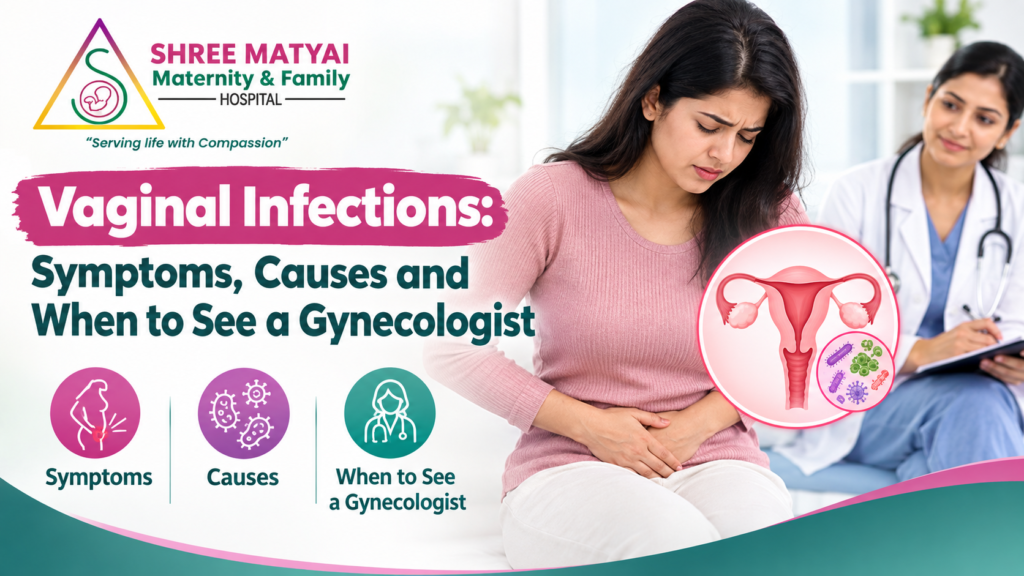
Vaginal infections are common health concerns that can affect women of different ages. They may cause itching, irritation, unusual discharge, unpleasant odor, burning during urination, or discomfort during intercourse. Although many cases are manageable with appropriate treatment, identifying the underlying cause is important because different conditions require different approaches. At Shree Matyai Hospital, women can seek professional guidance for concerns related to vaginal health and reproductive wellness. Women looking for broader preventive care may also consider a Family Health Consultation in Sector 102 Gurgaon for personalized healthcare advice.
Understanding the symptoms and possible causes can help women recognize when professional evaluation is necessary. Vaginal infections may result from an imbalance of natural bacteria, fungal overgrowth, sexually transmitted infections, irritation from personal-care products, or hormonal changes. Early medical advice can help prevent persistent symptoms and reduce the risk of complications.
What Are Vaginal Infections?
Vaginal infections occur when the normal balance of microorganisms in the vagina is disturbed or when an infection-causing organism enters the vaginal area. The vagina naturally contains bacteria and other microorganisms that help maintain a healthy environment. Changes in this balance can lead to inflammation and discomfort.
Common conditions include yeast infections, bacterial vaginosis, trichomoniasis, and certain sexually transmitted infections. While symptoms can sometimes appear similar, their causes and treatments may differ significantly. This is why self-diagnosing based only on symptoms may not always be reliable.
Common Symptoms to Watch For
The symptoms of vaginal infections can vary depending on the cause. Common signs include:
- Vaginal itching or irritation
- Burning sensation, particularly during urination
- Unusual vaginal discharge
- Changes in discharge color, consistency, or amount
- Strong or unpleasant vaginal odor
- Redness or swelling around the vaginal area
- Pain or discomfort during sexual intercourse
- Lower abdominal or pelvic discomfort in some cases
Vaginal itching is particularly common with yeast infections, but it can also occur with other conditions. Similarly, abnormal vaginal discharge does not automatically indicate one specific infection. A healthcare professional can evaluate the symptoms and determine whether testing is necessary.
Common Causes and Risk Factors
Several factors can contribute to vaginal infections. A yeast infection may occur when Candida, a type of fungus normally present in the body, grows excessively. Bacterial vaginosis occurs when the balance of naturally occurring vaginal bacteria changes.
Other possible causes and risk factors include:
- Antibiotic use that alters normal vaginal bacteria
- Hormonal fluctuations during pregnancy, menstruation, or menopause
- Poorly controlled diabetes
- Sexual activity and exposure to certain infections
- Tight or non-breathable clothing
- Excessive use of scented soaps, sprays, or intimate hygiene products
- Prolonged moisture around the genital area
- A weakened immune system
Not every infection is caused by poor hygiene. Excessive washing or using harsh products can actually irritate sensitive vaginal tissues and disturb the natural balance.
How Are Vaginal Infections Diagnosed and Treated?
Diagnosis generally begins with a discussion about symptoms, medical history, menstrual health, medications, and other relevant factors. A gynecologist may perform a physical examination and recommend laboratory testing when required.
Treatment depends on the underlying cause. Antifungal medicines may be prescribed for certain yeast infections, while bacterial infections may require antibiotics. Some sexually transmitted infections require specific prescription medicines and evaluation of sexual partners.
Because symptoms can overlap, using leftover medication or choosing treatment without a proper diagnosis may delay appropriate care. Women experiencing recurring vaginal itching or abnormal vaginal discharge should consider professional evaluation rather than repeatedly treating symptoms themselves.
When Should You See a Gynecologist?
You should consider seeing a gynecologist if symptoms are new, severe, persistent, or repeatedly returning. Medical attention is especially important when symptoms include:
- Severe pelvic or abdominal pain
- Fever or chills
- Bleeding that is unusual for you
- Pain during urination accompanied by significant discomfort
- A strong or unusual vaginal odor
- Green, yellow, or otherwise unusual discharge
- Symptoms following possible exposure to a sexually transmitted infection
- Symptoms that do not improve after appropriate treatment
Pregnant women should discuss unusual vaginal symptoms with their healthcare provider promptly because certain infections can require specific management during pregnancy.
Prevention and Everyday Vaginal Health
Some everyday habits can support vaginal health and may reduce the likelihood of recurring problems. Keep the genital area clean and dry, choose breathable cotton underwear, change out of wet clothing promptly, and avoid unnecessary scented intimate products.
Avoid vaginal douching because it can disturb the natural bacterial balance. During menstruation, change sanitary products regularly and maintain comfortable hygiene. Safe sexual practices, including appropriate barrier protection, can also reduce the risk of certain sexually transmitted infections.
If you experience repeated symptoms, keeping a simple record of when symptoms appear, menstrual-cycle timing, medications, and possible triggers can provide useful information during a medical consultation.
Why Professional Evaluation Matters
Persistent or recurrent vaginal infections should not be ignored. Repeated symptoms may sometimes indicate an incorrectly identified infection, an underlying medical condition, recurrent exposure, or another gynecological concern.
At Shree Matyai Hospital, women can discuss vaginal and reproductive health concerns with qualified healthcare professionals. A proper evaluation can help distinguish between conditions that may appear similar but require different treatments.
Women should also remember that vaginal symptoms are not always caused by an infection. Hormonal changes, allergic reactions, skin conditions, and other gynecological issues can sometimes produce similar discomfort. Professional assessment helps identify the actual cause and determine the appropriate next step.
Quick Takeaways
- Vaginal symptoms can have several different causes.
- Itching, unusual discharge, odor, burning, and irritation are common warning signs.
- Yeast infections and bacterial vaginosis require different treatments.
- Avoid self-medicating repeatedly without knowing the cause.
- Persistent, severe, recurrent, or unusual symptoms should be evaluated by a gynecologist.
- Pregnant women should seek medical advice for new or unusual vaginal symptoms.
Conclusion
Vaginal infections can often be treated effectively when the underlying cause is identified correctly. Paying attention to changes in discharge, odor, itching, irritation, pain, or other unusual symptoms can help women seek timely medical care. Maintaining healthy hygiene habits and avoiding unnecessary irritants can also support vaginal health.
If symptoms are persistent, recurrent, severe, or associated with pelvic pain, fever, bleeding, or possible sexually transmitted infection exposure, consulting a gynecologist is important. Shree Matyai Hospital can provide professional guidance for women seeking evaluation and appropriate care for vaginal and reproductive health concerns.
Frequently Asked Questions
1. What are the most common vaginal infections?
Common conditions include yeast infections, bacterial vaginosis, and trichomoniasis. Some sexually transmitted infections can also affect the vagina and surrounding genital area.
2. Can vaginal infections go away on their own?
Some mild symptoms may resolve, but it depends on the underlying cause. Persistent or worsening symptoms should be evaluated rather than repeatedly treated without a diagnosis.
3. Is unusual discharge always a sign of infection?
No. Vaginal discharge can naturally change during the menstrual cycle. However, sudden changes in color, consistency, amount, or odor may require medical evaluation.
4. Can vaginal infections keep coming back?
Yes. Recurrent symptoms can occur for several reasons, including repeated infections, incorrect diagnosis, antibiotic use, hormonal factors, or underlying health conditions. A gynecologist can help identify the cause.
5. When should I see a gynecologist?
See a gynecologist when symptoms are severe, persistent, recurrent, or accompanied by pelvic pain, fever, unusual bleeding, significant burning, or possible exposure to a sexually transmitted infection.