Heavy Periods: Causes and Treatment Options in Dhankot, Gurgaon

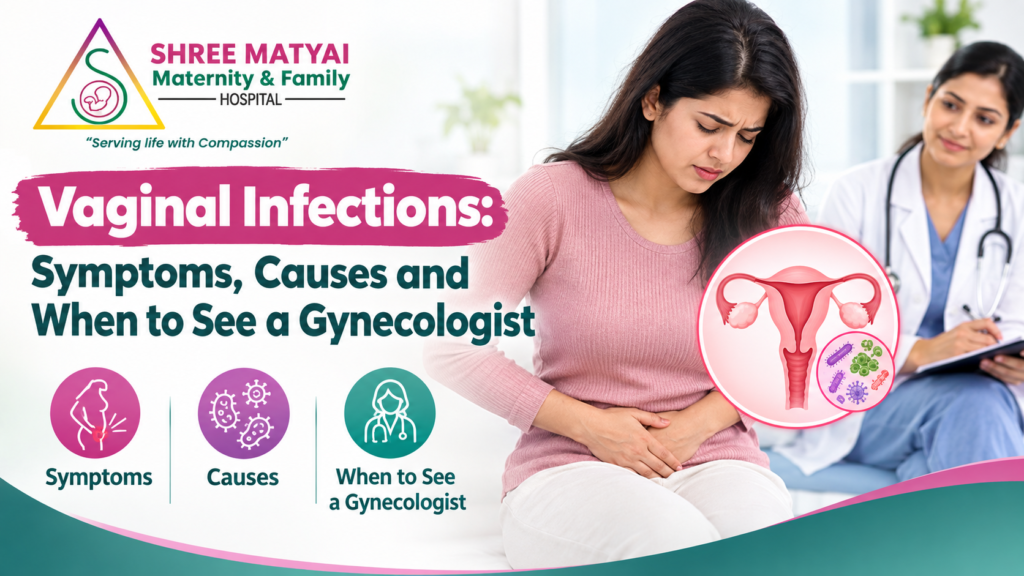
Vaginal Infections: Symptoms, Causes and When to See a Gynecologist
September 16, 2026
If your periods are lasting longer than seven days or you’re changing pads every hour, you’re not alone — and you don’t have to just live with it. At Shree Matyai Hospital, women across Dhankot regularly seek guidance for heavy menstrual bleeding and personalized care for irregular cycles.
Many also look for Menstrual Disorders Treatment in Sector 102 Gurgaon when searching for reliable, nearby care they can trust. Understanding the right heavy periods treatment option starts with knowing why it’s happening in the first place, so the right diagnosis leads to lasting relief and better cycle health overall.
What Causes Heavy Periods?
Heavy periods, medically known as menorrhagia, can stem from several underlying issues. Identifying the exact cause is the first step toward choosing an effective treatment option.
Hormonal Imbalance
An imbalance between estrogen and progesterone can cause the uterine lining to build up excessively, leading to heavier flow. This is one of the most common causes of heavy periods, especially in teenagers and women approaching menopause.
Uterine Fibroids and Polyps
Non-cancerous growths in or on the uterus are frequent culprits behind heavy menstrual bleeding. They can increase the surface area of the uterine lining, resulting in prolonged and heavier flow.
Adenomyosis
This condition occurs when the tissue lining the uterus grows into the muscular wall, often causing painful and heavy menstrual bleeding.
Thyroid Disorders
An underactive thyroid can disrupt the menstrual cycle and contribute to heavier, irregular periods.
IUD Use and Bleeding Disorders
Certain intrauterine devices, as well as underlying clotting disorders, can also be responsible. A thorough evaluation by a qualified gynecologist in Gurgaon is essential to pinpoint the exact cause before starting treatment.
When Should You See a Doctor?
You should consult a specialist if you’re soaking through a pad or tampon every hour, passing large clots, experiencing periods longer than seven days, or feeling constantly fatigued or short of breath — a possible sign of anemia. Early consultation with a gynecologist in Gurgaon helps prevent complications and opens up more effective treatment paths.
Heavy Periods Treatment Options in Dhankot Gurgaon
Choosing the right heavy periods treatment option depends on your age, the underlying cause, severity of symptoms, and whether you wish to preserve fertility. Here’s a breakdown of the most commonly recommended approaches.
Medications
For many women, the first-line heavy periods treatment option involves medication rather than surgery. Options include:
- Tranexamic acid – reduces bleeding by helping blood clot more effectively
- NSAIDs – ease pain and can reduce blood flow by 20–30%
- Iron supplements – address anemia caused by prolonged heavy menstrual bleeding
Hormonal Therapy
Hormonal treatments are a widely used heavy periods treatment option because they directly target the imbalance causing excess bleeding. These include:
- Combined oral contraceptive pills to regulate cycles
- Hormonal IUDs (like Mirena) that thin the uterine lining
- Progesterone therapy for women who cannot take estrogen
Minimally Invasive Procedures
When medications don’t provide enough relief, a gynecologist in Gurgaon may recommend a minimally invasive heavy periods treatment option, such as:
- Endometrial ablation – removes or destroys the uterine lining
- Uterine artery embolization – shrinks fibroids by cutting off their blood supply
- Hysteroscopic polyp or fibroid removal – targets specific growths without major surgery
Surgical Options
In severe or recurring cases, particularly where fibroids are large or fertility is no longer a concern, a hysterectomy may be considered. This is typically the last-resort heavy periods treatment option after other methods have been explored.
Quick Takeaways
- Heavy periods are common but shouldn’t be ignored — they often point to a treatable underlying cause
- Diagnosis usually involves a pelvic exam, ultrasound, and blood tests to check for anemia or thyroid issues
- The right heavy periods treatment option ranges from simple medication to minor procedures, tailored to your specific needs
- Tracking your cycle, flow, and symptoms before your appointment helps your doctor recommend faster, more accurate care
- Don’t wait until symptoms become severe; early evaluation by a gynecologist in Gurgaon leads to better outcomes
Practical Tips for Managing Heavy Menstrual Bleeding
Keep an iron-rich diet with leafy greens and legumes to counter fatigue from heavy menstrual bleeding, stay hydrated, and avoid excessive caffeine during your cycle. Using a period-tracking app can help you and your doctor spot patterns that indicate when it’s time to explore a formal heavy periods treatment option rather than managing symptoms alone.
Conclusion
Heavy periods can disrupt daily life, but with the right diagnosis and a personalized heavy periods treatment option, most women find significant relief. Whether the cause is hormonal, structural, or related to an underlying health condition, timely care makes all the difference. At Shree Matyai Hospital, women in and around Dhankot, Gurgaon can access experienced gynecological care, accurate diagnostics, and treatment plans that fit individual needs — helping you feel like yourself again.
FAQs
1. What is considered a heavy period?
Soaking through a pad/tampon every hour for several hours, or periods lasting more than 7 days, is generally considered heavy.
2. Can heavy periods be a sign of something serious?
Yes, they can indicate fibroids, hormonal imbalance, thyroid issues, or in rare cases, uterine cancer — so evaluation is important.
3. Is medication enough to treat heavy periods?
For many women, medications like tranexamic acid or hormonal therapy effectively manage symptoms without needing surgery.
4. How is the cause of heavy periods diagnosed?
Doctors typically use a pelvic exam, ultrasound, blood tests, and sometimes hysteroscopy to identify the cause.
5. When is surgery necessary for heavy periods?
Surgery is usually considered only when other treatments fail or if large fibroids or severe adenomyosis are present.