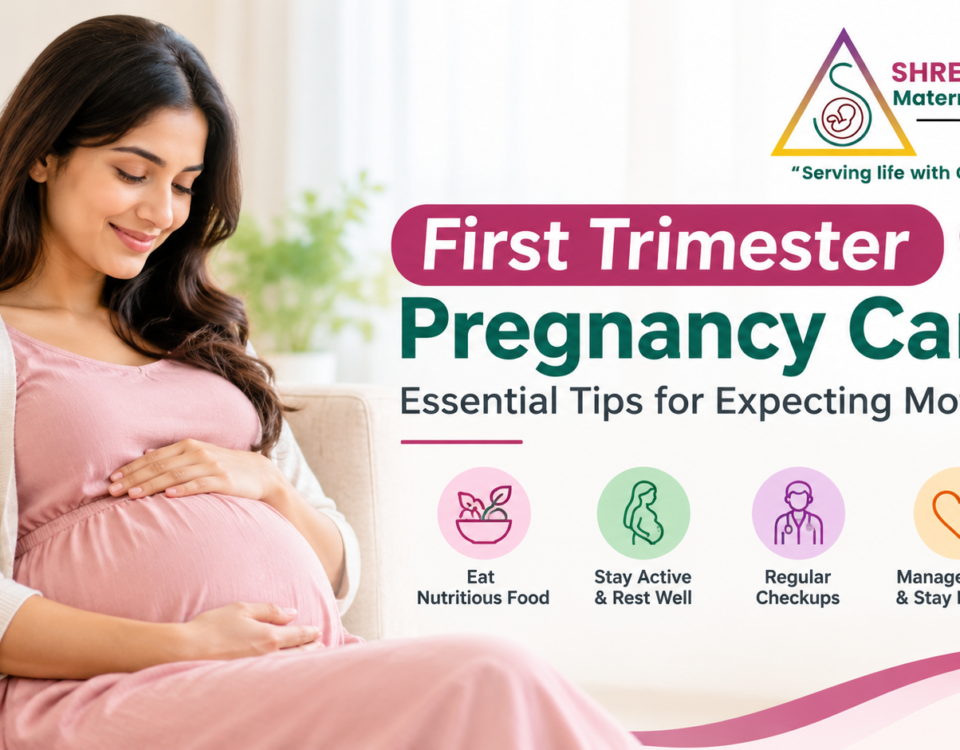
First Trimester Pregnancy Care: Essential Tips for a Healthy Start

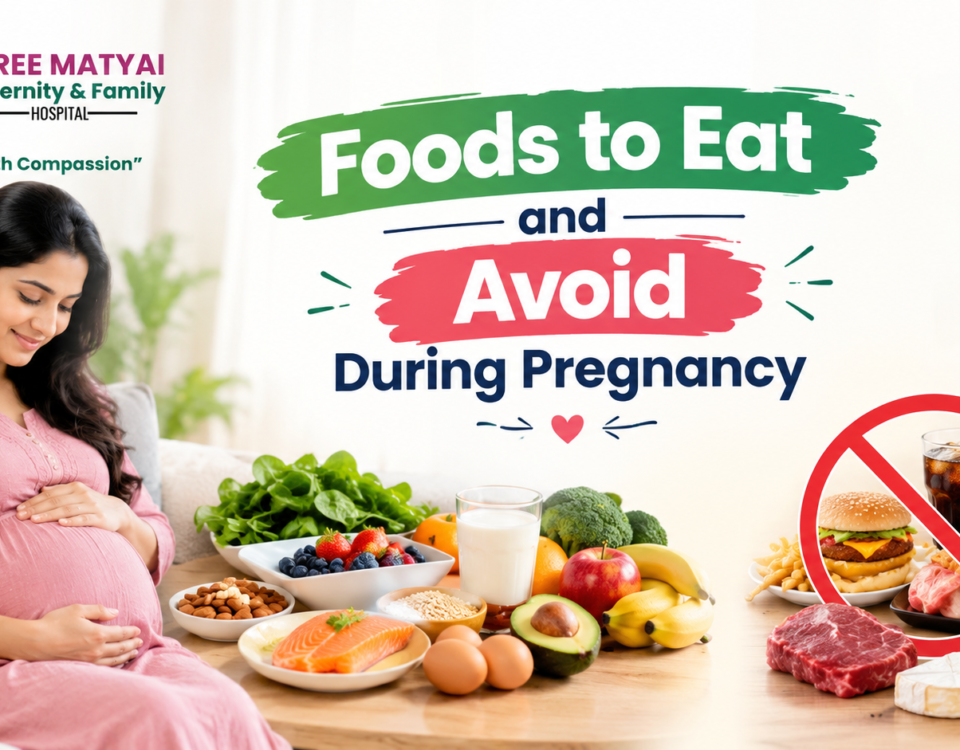
Foods to Eat and Avoid During Pregnancy
October 22, 2026
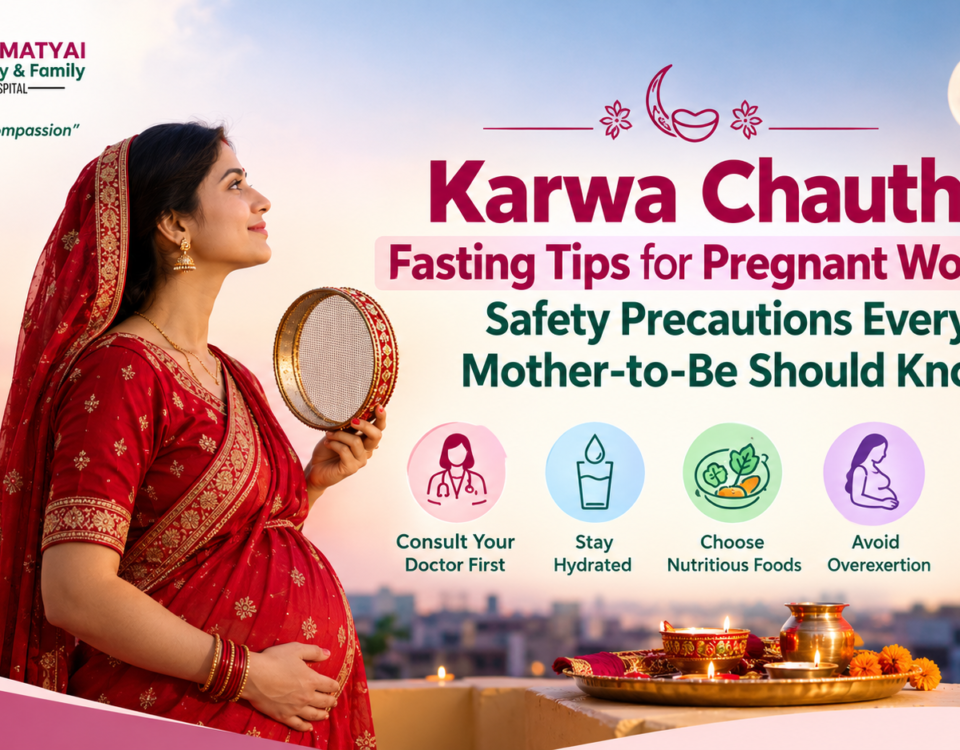
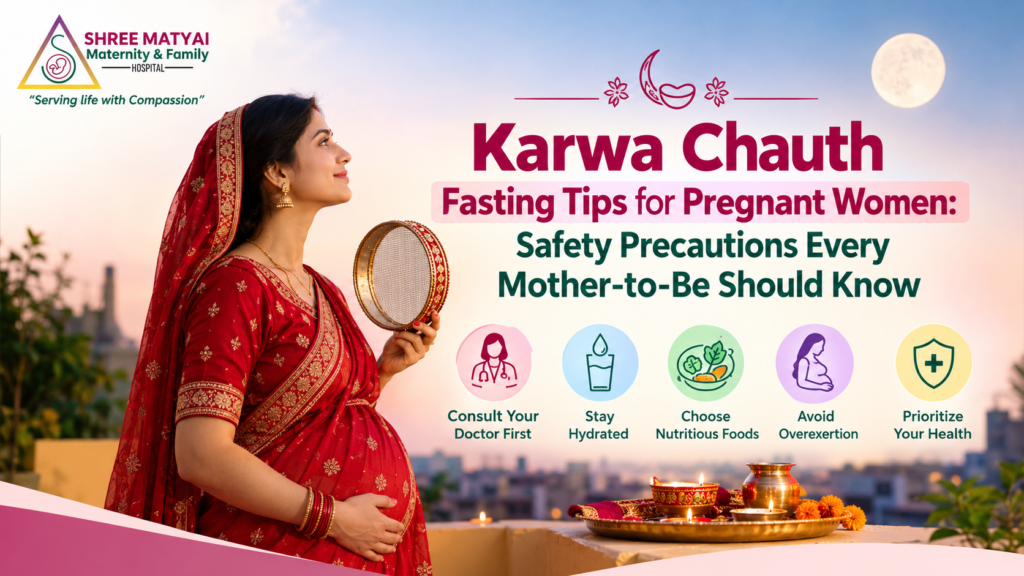
Karwa Chauth Fasting Tips for Pregnant Women: Essential Safety Precautions
October 27, 2026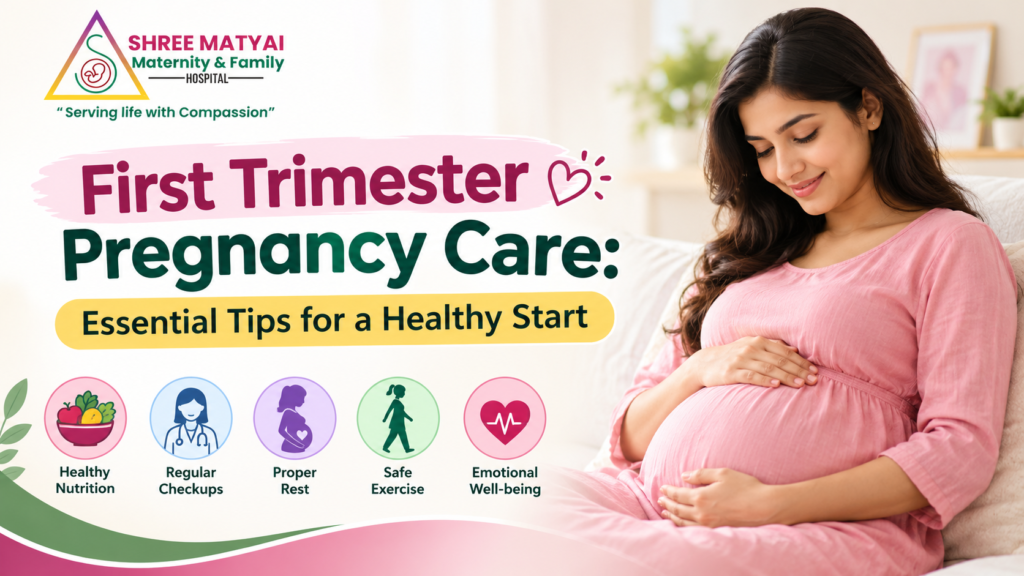
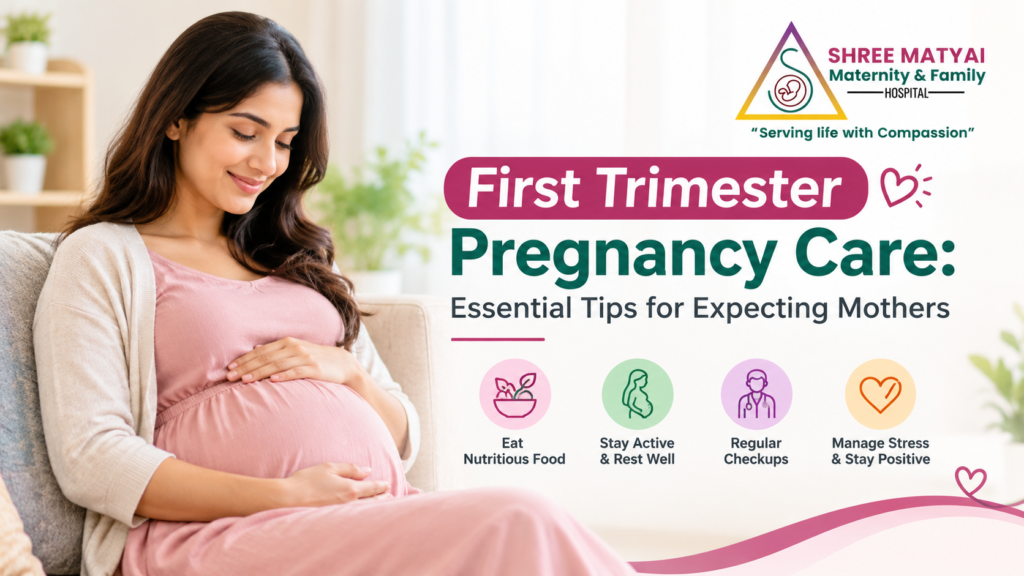
First Trimester Pregnancy Care is essential for supporting a healthy pregnancy from the earliest weeks. The first trimester, which lasts from week 1 through week 12, is a period of significant development as the baby’s brain, spinal cord, heart, and other vital organs begin to form. Expectant mothers can support their well-being by following medical advice, eating a balanced diet, getting enough rest, and attending recommended prenatal appointments. At Shree Matyai Hospital, expectant mothers can explore professional guidance and Pregnancy Care in Sector 102 Gurgaon to understand their pregnancy care needs and prepare for the months ahead.
Why Is First Trimester Pregnancy Care Important?
The first trimester involves major changes in the mother’s body and the early development of the baby. Hormonal changes can cause nausea, fatigue, breast tenderness, frequent urination, and changes in appetite. Although these symptoms are common, every pregnancy is different, and some women experience few noticeable symptoms.
Supporting Early Fetal Development
During the first trimester, the embryo develops rapidly. The neural tube, which later forms the brain and spinal cord, develops early in pregnancy. The heart begins developing, and the foundations of the baby’s major organs take shape. Adequate nutrition, appropriate supplements, and avoiding harmful substances can help support this process.
Identifying Health Concerns Early
Early prenatal appointments help healthcare professionals estimate the pregnancy timeline, review medical history, assess potential risk factors, and recommend appropriate tests. These visits also provide an opportunity to discuss existing medications, previous pregnancy complications, and any symptoms that cause concern.
1. Schedule Your First Prenatal Appointment
One of the first steps in First Trimester Pregnancy Care is arranging an appointment with a qualified obstetrician or gynaecologist after discovering you are pregnant. Early medical guidance helps establish a suitable care plan based on your individual needs.
What Happens During the First Visit?
Your healthcare provider may review your medical history, menstrual cycle, current medications, allergies, and previous pregnancies. Depending on your circumstances, they may recommend blood tests, urine tests, blood pressure monitoring, and an ultrasound to assess the pregnancy.
Questions to Ask Your Doctor
Prepare questions about prenatal vitamins, food safety, exercise, nausea, travel, and any existing medical conditions. If you take prescription medicines or over-the-counter products, discuss them with your doctor before making changes. Do not stop essential medication without professional advice.
2. Follow a Balanced and Nutritious Diet
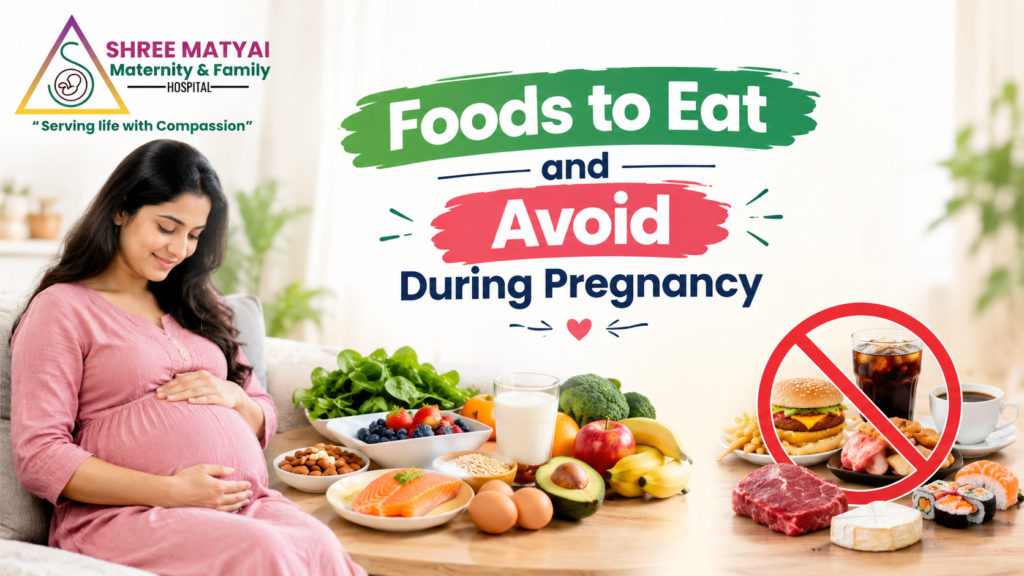
A balanced diet supplies essential nutrients for maternal health and fetal development. You do not need to make drastic dietary changes overnight. Instead, focus on variety, food safety, and regular meals that suit your appetite.
Include Essential Pregnancy Nutrients
- Folic acid: Folic acid helps reduce the risk of neural tube defects. Most people planning pregnancy or in early pregnancy are advised to take 400 micrograms daily, unless their healthcare provider recommends a different dose.
- Iron: Iron supports red blood cell production and helps prevent iron-deficiency anaemia. Include foods such as lentils, beans, leafy green vegetables, and appropriately prepared meat if you eat it.
- Calcium: Milk, yoghurt, cheese, and calcium-fortified alternatives can help support bone development.
- Protein: Eggs, pulses, beans, nuts, dairy products, and thoroughly cooked lean meats provide protein needed for growth and tissue development.
- Vitamin B12: Dairy products, eggs, meat, fish, and fortified foods can provide vitamin B12. People following a vegan diet may need supplementation under medical guidance.
Follow Food Safety Practices
Wash fruits and vegetables thoroughly, cook eggs and meat completely, and avoid unpasteurised dairy products. Avoid raw or undercooked seafood and meat. Limit caffeine to the amount recommended by your healthcare provider, commonly no more than 200 mg daily. Avoid alcohol throughout pregnancy.
3. Manage Morning Sickness and Pregnancy Fatigue
Nausea and tiredness are common during early pregnancy. Despite being called morning sickness, nausea can occur at any time of the day. Simple adjustments may help reduce discomfort and make everyday activities easier.
Practical Ways to Reduce Nausea
- Eat small, frequent meals instead of large meals.
- Keep plain crackers or dry toast nearby if these foods help settle your stomach.
- Drink water regularly and take small sips if drinking large amounts feels uncomfortable.
- Identify and avoid food smells or flavours that trigger nausea.
- Try ginger-containing foods if tolerated, and ask your doctor before using ginger supplements or anti-nausea medication.
Prioritise Sleep and Rest
Pregnancy-related hormonal changes can increase fatigue. Aim for a consistent sleep schedule, take short rest breaks when needed, and avoid overexertion. Gentle movement during the day may also support sleep and general well-being.
Contact your healthcare provider if vomiting is persistent, you cannot keep fluids down, you urinate very little, or you feel faint. These symptoms may indicate dehydration and require prompt assessment.
4. Stay Physically Active and Maintain Healthy Habits
For most uncomplicated pregnancies, moderate physical activity is beneficial. However, your exercise routine should reflect your health, fitness level, and any medical restrictions.
Choose Pregnancy-Friendly Activities
Walking, swimming, and gentle prenatal exercises are often suitable options. If you were physically active before pregnancy, you may be able to continue with adjustments recommended by your healthcare provider. Avoid activities with a high risk of falling, abdominal injury, or overheating.
Avoid Habits That May Harm Your Pregnancy
Do not smoke or use tobacco products, and avoid recreational drugs. Discuss alcohol avoidance, workplace exposures, and any supplements with your doctor. Review medications and herbal remedies before use because some may not be suitable during pregnancy.
At Shree Matyai Hospital, expectant mothers can seek professional guidance about pregnancy-related concerns and discuss appropriate care according to their individual circumstances.
5. Understand Common Symptoms and Warning Signs
Knowing what is common during early pregnancy can help you respond appropriately when symptoms change. Mild nausea, breast tenderness, fatigue, and occasional mild cramping may occur. However, severe or unusual symptoms should never be ignored.
When Should You Seek Urgent Medical Attention?
Seek urgent medical assessment if you experience:
- Heavy vaginal bleeding or bleeding accompanied by severe pain.
- Severe or persistent abdominal pain, particularly on one side.
- Shoulder-tip pain accompanied by abdominal pain, dizziness, or weakness.
- Fainting, severe dizziness, or difficulty breathing.
- Fever or persistent vomiting that prevents you from keeping fluids down.
These symptoms may indicate conditions that require prompt treatment, including ectopic pregnancy or significant dehydration. If symptoms are severe, seek emergency medical care rather than waiting for a routine appointment.
Keep Track of Changes in Your Body
Note unusual symptoms, when they occur, and any factors that make them better or worse. Share these details with your healthcare provider during appointments. Remember that the presence or absence of nausea, breast tenderness, or other symptoms cannot reliably confirm that a pregnancy is progressing normally.
6. Take Care of Your Emotional Well-Being
The first trimester can bring excitement, uncertainty, and emotional changes. Hormonal fluctuations, physical discomfort, and concerns about the baby’s health may affect your mood.
Build a Supportive Environment
Talk openly with your partner, family, or trusted friends about how you feel. Ask for practical help with household responsibilities when fatigue or nausea makes daily activities difficult. Reliable pregnancy information can also help reduce unnecessary worry.
Seek Help When You Need It
Persistent anxiety, low mood, difficulty functioning, or feelings of hopelessness deserve attention. Speak with your healthcare provider if emotional difficulties affect your daily life. Mental health support is an important part of pregnancy care, not something to postpone until after delivery.
Quick Takeaways for a Healthy First Trimester
Follow these practical steps to support your health during the first 12 weeks:
- Book an early prenatal appointment and follow your doctor’s recommendations.
- Take folic acid and other supplements as advised.
- Eat balanced meals and follow pregnancy food-safety guidelines.
- Drink enough fluids and rest when you feel tired.
- Stay active if your healthcare provider confirms that exercise is appropriate.
- Avoid alcohol, tobacco, and recreational drugs.
- Review all medicines and supplements with your doctor.
- Seek prompt medical attention for severe pain, heavy bleeding, fainting, or persistent vomiting.
Conclusion
First Trimester Pregnancy Care establishes an important foundation for maternal well-being and healthy fetal development. From attending early prenatal appointments and following a nutritious diet to managing nausea and recognising warning signs, small, consistent steps can make a meaningful difference throughout pregnancy. Every pregnancy is unique, so personalised medical advice is essential, particularly for women with existing health conditions or a history of pregnancy complications.
Shree Matyai Hospital encourages expectant mothers to prioritise timely medical guidance, regular prenatal care, and informed health decisions throughout their pregnancy journey. To learn more about available services and pregnancy-related support, visit Shree Matyai Hospital and discuss your individual care needs with a qualified healthcare professional.
Frequently Asked Questions (FAQs)
1. What is the first trimester of pregnancy?
The first trimester covers weeks 1 through 12 of pregnancy. During this period, the baby’s major organs and body structures begin developing.
2. What is most important during the first trimester?
Early prenatal care, folic acid supplementation, balanced nutrition, avoiding alcohol and tobacco, and reviewing medications with your doctor are important priorities.
3. Which foods should I avoid during the first trimester?
Avoid alcohol, unpasteurised dairy products, raw or undercooked meat and seafood, and other foods considered unsafe during pregnancy. Follow your healthcare provider’s food-safety recommendations.
4. Is exercise safe during the first trimester?
Moderate activities such as walking are generally safe for many women with uncomplicated pregnancies. Consult your healthcare provider to determine which activities are appropriate for you.
5. When should I contact a doctor during early pregnancy?
Seek urgent medical attention for heavy bleeding, severe abdominal pain, fainting, or severe dizziness. Contact your healthcare provider promptly if you cannot keep fluids down or experience other concerning symptoms.