Missed Periods but Not Pregnant: Common Causes and What to Know

When to Consider Infertility Treatment for Your Parenthood Journey
September 26, 2026
Uterine Fibroids: Symptoms, Causes and Treatment
October 2, 2026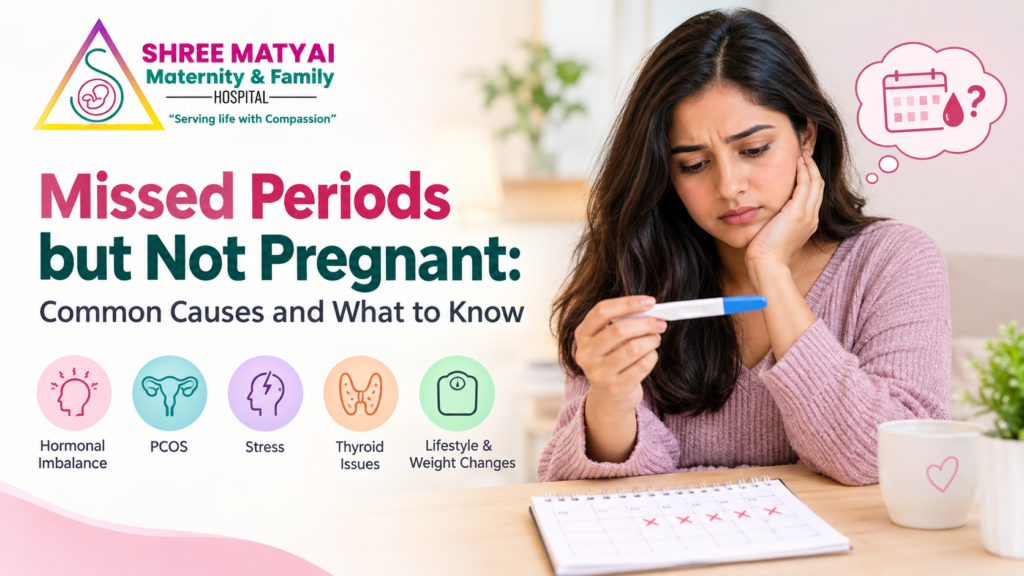
A missed period can be concerning, especially when pregnancy has already been ruled out. The menstrual cycle can change because of stress, hormonal fluctuations, changes in weight, exercise, medications, or certain health conditions. Understanding the possible causes can help you decide when monitoring is appropriate and when medical advice is needed.
If you are looking for reliable guidance, Menstrual Disorders Treatment in Sector 102 Gurgaon can help you understand menstrual changes and related concerns. Shree Matyai Hospital provides women’s health and gynecological care to support patients through different reproductive health needs.
Missed Periods but Not Pregnant: What Does It Mean?
If your period is late but a pregnancy test is negative, it does not automatically mean something is seriously wrong. Menstrual cycles naturally vary, and an occasional delay can happen even in people who usually have regular periods. However, repeated or prolonged changes may indicate an underlying hormonal or medical issue that deserves evaluation.
When Is a Period Considered Late?
A menstrual cycle commonly occurs approximately every 21 to 35 days in adults, although individual patterns vary. A period may be considered late when it does not arrive around the expected time based on your usual cycle. Tracking your periods for several months can help identify whether the change is temporary or part of a recurring pattern.
Can a Pregnancy Test Be Wrong?
Home pregnancy tests are generally reliable when used correctly, but testing too early can produce a negative result despite pregnancy. If pregnancy remains possible, consider repeating the test after several days or discussing appropriate testing with a healthcare professional.
Common Causes of a Missed Period
Several factors can affect the hormones responsible for ovulation and menstruation. Identifying the underlying trigger is often more useful than focusing only on the delayed period.
Stress and Emotional Changes
Significant physical or emotional stress can affect the hypothalamus, the part of the brain involved in regulating reproductive hormones. Ongoing stress may delay ovulation and consequently delay menstruation. Work pressure, relationship difficulties, poor sleep, travel, or major life changes can all contribute.
Managing stress through regular sleep, physical activity, relaxation techniques, and healthy routines may help support a more consistent cycle.
Weight Changes and Restrictive Diets
Rapid weight loss, very low calorie intake, or nutritional deficiencies can interfere with normal reproductive hormone production. Similarly, substantial weight gain may affect ovulation in some individuals. A balanced diet containing adequate calories, protein, healthy fats, vitamins, and minerals is important for reproductive health.
Hormonal and Medical Conditions That Can Affect Periods
Some health conditions can cause recurring menstrual irregularities. Medical evaluation becomes particularly important when missed periods happen repeatedly or occur alongside other symptoms.
Polycystic Ovary Syndrome (PCOS)
PCOS is a common hormonal condition associated with irregular or absent periods, changes in androgen levels, and sometimes symptoms such as acne, increased facial or body hair, or difficulty with ovulation. Not everyone with PCOS experiences the same symptoms.
If irregular cycles occur regularly, a gynecologist may recommend a medical history, examination, blood tests, or ultrasound depending on the individual situation.
Thyroid Disorders
Both an underactive thyroid and an overactive thyroid can influence menstrual cycles. Thyroid-related symptoms may include changes in weight, fatigue, temperature sensitivity, changes in heart rate, or alterations in hair and skin. Appropriate blood tests can help assess thyroid function when clinically indicated.
Lifestyle Factors That May Delay Your Period
Everyday habits can sometimes affect menstrual regularity, particularly when several changes happen at the same time.
Excessive Exercise
Intense exercise combined with insufficient calorie intake can disrupt normal reproductive hormone activity. Athletes and people undertaking demanding training programs may experience delayed or absent periods. Ensuring adequate nutrition and recovery is important.
Sleep and Daily Routine
Irregular sleep schedules, night shifts, jet lag, and chronic sleep deprivation can affect overall hormonal regulation. Maintaining consistent sleep and meal schedules may support general health and menstrual regularity.
Medications and Other Possible Causes
Certain medications and hormonal contraceptives can alter bleeding patterns. Depending on the method, periods may become lighter, less frequent, irregular, or absent. Some people also experience temporary changes after stopping hormonal contraception while their natural cycle resumes.
Other possible causes include perimenopause, elevated prolactin levels, ovarian problems, uterine conditions, and other endocrine disorders. The significance of these causes depends on age, medical history, symptoms, and how long the menstrual changes have continued.
Missed Periods but Not Pregnant: When Should You See a Doctor?
An occasional late period may not require urgent evaluation if you otherwise feel well. However, professional assessment is advisable when periods repeatedly disappear, cycle changes continue, or other symptoms develop.
Symptoms That Need Medical Attention
Speak with a healthcare professional if you experience repeated missed periods along with symptoms such as:
- Persistent pelvic or abdominal pain
- Unusual or heavy bleeding
- New or significant acne or excess facial hair
- Unexplained weight gain or weight loss
- Persistent fatigue or weakness
- Breast discharge unrelated to breastfeeding
- Severe headaches or vision changes
- Symptoms suggesting thyroid or hormonal changes
Sudden severe pelvic pain, fainting, or heavy bleeding requires prompt medical attention.
What a Doctor May Check
A healthcare professional may ask about your menstrual history, pregnancy possibility, medications, lifestyle, stress, weight changes, and other symptoms. Depending on the situation, evaluation may include a pregnancy test, blood tests for hormones or thyroid function, and pelvic imaging such as an ultrasound.
Shree Matyai Hospital can be considered for gynecological consultation when menstrual irregularities persist or require further evaluation. A personalized assessment is important because the same menstrual symptom can have different causes in different people.
What You Can Do at Home
If your period is late and pregnancy has been ruled out, practical steps can help you monitor your cycle and identify possible triggers.
- Track your cycle: Record period dates, bleeding patterns, and associated symptoms.
- Review recent changes: Consider stress, travel, exercise, sleep, diet, weight, or medications.
- Eat regularly: Avoid extreme dieting and ensure adequate nutrition.
- Prioritize sleep: Aim for a consistent sleep routine.
- Avoid self-medication: Do not take hormonal medicines simply to induce bleeding without professional advice.
- Arrange a consultation: Seek medical guidance if missed periods become recurrent or are accompanied by concerning symptoms.
Keeping a record of your cycle can also make a gynecological consultation more productive.
Quick Takeaways
- A late period does not always indicate pregnancy.
- Stress, weight changes, intense exercise, PCOS, thyroid disorders, medications, and hormonal changes can affect menstruation.
- A pregnancy test may need to be repeated if it was taken too early.
- Repeated missed periods should be evaluated by a healthcare professional.
- Severe pain, fainting, or heavy bleeding requires prompt medical attention.
Conclusion
Missed periods but not pregnant can happen for many reasons, ranging from temporary lifestyle changes to hormonal or medical conditions. The most appropriate response depends on your usual menstrual pattern, age, symptoms, medical history, and how long the change has continued. Tracking your cycle and paying attention to associated symptoms can provide useful information.
If menstrual irregularities continue or you are concerned about your reproductive health, consulting a qualified gynecologist can help identify the underlying cause and determine appropriate care. Shree Matyai Hospital offers gynecological support for women seeking professional evaluation and guidance regarding menstrual and reproductive health.
FAQs
1. Can stress cause a missed period?
Yes. Significant or prolonged stress can interfere with hormonal signals involved in ovulation and may delay menstruation.
2. How long can a period be late without pregnancy?
The timing varies from person to person. A single delayed period can occur occasionally, but repeated or prolonged absence should be discussed with a healthcare professional.
3. Can PCOS cause missed periods?
Yes. Irregular or absent periods are common in PCOS because the condition can affect ovulation and reproductive hormone balance.
4. Should I repeat a pregnancy test after a negative result?
If pregnancy is still possible and the test was taken early, repeating it after several days or seeking professional advice may be appropriate.
5. When should I see a doctor for missed periods?
Consult a healthcare professional if periods repeatedly stop or become irregular, particularly when accompanied by pelvic pain, unusual bleeding, significant weight changes, or other new symptoms.