Month-Wise Pregnancy Care Tips for a Healthy Normal Delivery

Tips to Increase the Chances of Normal Delivery During Pregnancy
November 18, 2026
Pregnancy is a beautiful journey that brings many physical and emotional changes for a woman. Every month of pregnancy is important for the growth and development of the baby, as well as the mother’s health. Following the right healthcare routine, eating nutritious food, attending regular checkups, and staying physically active can help support a healthy pregnancy. Shree Matyai Hospital understands the importance of proper maternity care and encourages expecting mothers to follow medical guidance throughout their pregnancy. Women looking for pregnancy care in sector 102 Gurgaon can seek professional guidance and support for their maternity needs. Understanding month-wise pregnancy care tips can help women prepare for each stage and make informed decisions about their health and delivery.
A healthy pregnancy requires attention, patience, and regular communication with healthcare professionals. Although normal delivery is a natural process, its possibility depends on several factors, including the mother’s health, baby’s position, and pregnancy-related conditions. Following appropriate healthy pregnancy tips can support maternal well-being and help prepare the body for childbirth.
1. First Month: Focus on Early Pregnancy Care
The first month marks the beginning of pregnancy. During this stage, many women may not notice significant physical changes, but important developmental processes begin inside the body.
- Schedule an appointment with a gynaecologist after confirming pregnancy.
- Start taking folic acid supplements as recommended by your doctor.
- Avoid smoking, alcohol, and unnecessary medications.
- Maintain a balanced diet with fresh fruits and vegetables.
- Get enough sleep and avoid excessive physical stress.
Early medical guidance helps identify potential health concerns and establishes a suitable pregnancy care routine.

2. Second Month: Support Your Body with Proper Nutrition
During the second month, hormonal changes may cause nausea, vomiting, tiredness, and mood fluctuations. Proper nutrition and hydration become particularly important.
- Eat small and frequent meals to manage morning sickness.
- Include iron-rich foods such as spinach, lentils, and beans.
- Drink sufficient water throughout the day.
- Avoid raw or undercooked food.
- Follow your doctor’s advice regarding supplements.
Following appropriate pregnancy diet and nutrition guidelines can help provide essential nutrients for the mother’s health and the baby’s development.
3. Third Month: Complete Important Medical Checkups
The third month marks the end of the first trimester. Regular medical appointments help monitor pregnancy progress and identify any concerns.
- Complete recommended blood tests and ultrasound examinations.
- Discuss nausea, headaches, or unusual symptoms with your doctor.
- Continue prescribed vitamins and supplements.
- Avoid excessive physical exertion.
- Maintain a healthy sleep schedule.
Following month-wise pregnancy care tips during this stage helps expecting mothers understand their changing nutritional and medical requirements.
4. Fourth Month: Maintain a Healthy Lifestyle
The second trimester generally brings some relief from early pregnancy symptoms. Many women experience improved energy levels during this period.
- Include protein-rich foods such as milk, pulses, eggs, and nuts.
- Take short walks if your doctor permits.
- Maintain proper hydration.
- Wear comfortable clothing and footwear.
- Attend scheduled prenatal appointments.
This is also a good time to discuss suitable physical activities with your healthcare provider.
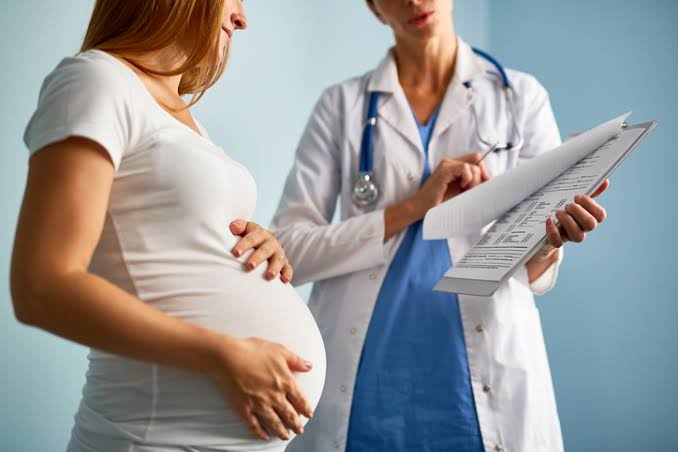
Read More:Tips to Increase the Chances of Normal Delivery During Pregnancy
5. Fifth Month: Monitor Baby’s Growth and Movements
During the fifth month, many expecting mothers begin noticing their baby’s movements. These movements can be an exciting part of pregnancy.
- Discuss fetal growth and ultrasound findings with your doctor.
- Include calcium-rich foods in your daily meals.
- Practise gentle stretching if medically approved.
- Avoid lifting heavy objects.
- Pay attention to your physical comfort and sleep quality.
A balanced routine and regular medical monitoring help support the baby’s development.
6. Sixth Month: Pay Attention to Changing Health Needs
As pregnancy progresses, the mother’s body continues to change. Some women may experience back pain, leg cramps, swelling, or difficulty sleeping.
- Eat meals containing adequate protein, vitamins, and minerals.
- Avoid standing for long periods.
- Rest whenever necessary.
- Wear comfortable footwear.
- Discuss persistent swelling or discomfort with your doctor.
Following healthy pregnancy tips during this month can help mothers manage common pregnancy discomforts and maintain their overall well-being.
7. Seventh Month: Begin Preparing for the Third Trimester
The seventh month marks the beginning of the third trimester. The baby’s growth becomes more significant, and the mother’s nutritional and medical requirements may increase.
- Attend regular antenatal checkups.
- Follow your doctor’s instructions regarding glucose and blood pressure monitoring.
- Include fibre-rich foods to help manage constipation.
- Sleep in a comfortable position.
- Discuss childbirth preparation with your gynaecologist.
These month-wise pregnancy care tips can help expecting mothers understand the importance of monitoring their health during the final stage of pregnancy.
8. Eighth Month: Prepare for Labour and Delivery
During the eighth month, the baby continues developing and gradually prepares for birth. Mothers may experience increased tiredness, frequent urination, and difficulty finding a comfortable sleeping position.
Important care measures include:
- Attend all scheduled medical appointments.
- Discuss the baby’s position with your doctor.
- Keep emergency contact details readily available.
- Prepare essential items for your hospital stay.
- Learn about the signs of labour and when to seek medical attention.
Your doctor can also explain whether normal delivery is suitable based on your pregnancy progress and medical condition.
9. Ninth Month: Follow Medical Guidance Before Delivery
The ninth month is the final stage of pregnancy. During this period, regular monitoring becomes particularly important to assess the baby’s health and prepare for childbirth.
- Attend checkups as frequently as advised.
- Monitor the baby’s movements according to your doctor’s guidance.
- Stay hydrated and eat nutritious meals.
- Avoid strenuous physical activities.
- Keep your hospital bag ready.
- Contact your healthcare provider if you experience bleeding, fluid leakage, severe pain, or reduced fetal movements.
Following month-wise pregnancy care tips during the final month helps mothers remain prepared for delivery while prioritising their safety and the baby’s health.
10. Importance of Pregnancy Diet and Nutrition
A nutritious diet plays an important role throughout pregnancy. The mother’s body needs additional nutrients to support fetal development and maintain her own health.
Some important dietary components include:
Protein: Pulses, milk, paneer, eggs, and nuts support the growth and development of body tissues.
Iron: Green leafy vegetables, beans, lentils, and doctor-recommended supplements help prevent iron deficiency.
Calcium: Milk, curd, paneer, and other calcium-rich foods support the development of the baby’s bones and teeth.
Folic Acid: This essential nutrient supports early fetal development. Supplements should be taken according to medical advice.
Fibre: Fruits, vegetables, and whole grains can help maintain digestive health.
Proper pregnancy diet and nutrition should be planned according to individual health requirements, dietary preferences, and medical recommendations.

11. Tips to Improve the Chances of a Healthy Normal Delivery
Although every pregnancy is different, certain healthy habits can help prepare the mother for childbirth.
- Attend regular antenatal appointments.
- Maintain a healthy weight according to medical advice.
- Follow a balanced and nutritious diet.
- Practise pregnancy-safe exercises with your doctor’s approval.
- Learn breathing and relaxation techniques.
- Get sufficient sleep and manage stress.
- Follow medical advice regarding labour preparation.
It is important to remember that normal delivery cannot be guaranteed through diet or exercise. The safest delivery method depends on the health of both mother and baby. A medically necessary C-section should never be delayed or avoided.
Conclusion
Pregnancy requires proper care, regular medical monitoring, and healthy lifestyle choices at every stage. From the first month to the final weeks, understanding changing nutritional requirements and following appropriate medical advice can help expecting mothers prepare for childbirth. These month-wise pregnancy care tips provide a general guide for maintaining maternal health and supporting the baby’s development. Shree Matyai Hospital focuses on maternity care and encourages expecting mothers to seek professional guidance throughout their pregnancy. For families searching for the best hospital in sector 102 Gurgaon, choosing a healthcare facility that provides regular checkups, personalised pregnancy care, and timely medical support can help mothers move towards a safer and healthier delivery experience.