World No Tobacco Day By Dr. Sonali Sonam

Follow These Simple Tips to Stay Hearty and Healthy in Pregnancy
May 27, 2026
5 Essential Fluids in Pregnancy for a Healthy Mother and Baby
June 1, 2026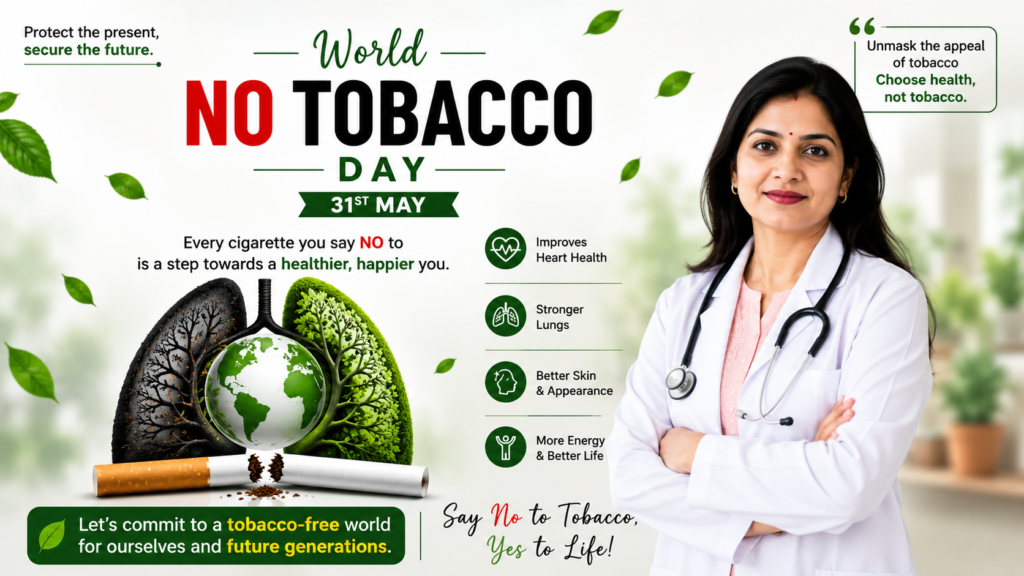
Every year, the world observes World No Tobacco Day on May 31 to spread awareness about the harmful effects of tobacco consumption and encourage people to lead healthier lives. Tobacco use remains one of the leading causes of preventable deaths worldwide, affecting millions of people directly and indirectly. Through awareness campaigns, health programs, and community support, this important day motivates individuals to quit smoking and avoid all forms of tobacco.
Dr. Sonali Sonam believes that World No Tobacco Day is not just about quitting cigarettes; it is about protecting families, children, and future generations from severe health complications. Whether it is smoking, chewing tobacco, vaping, or passive smoking, every form of tobacco negatively impacts human health.
Why World No Tobacco Day Matters
Tobacco addiction has become a global health concern. According to health experts, tobacco consumption contributes to serious diseases such as lung cancer, heart disease, respiratory disorders, stroke, and oral cancer. Millions of people lose their lives every year because of tobacco-related illnesses.
World No Tobacco Day plays a vital role in:
- Educating people about the dangers of tobacco
- Encouraging smokers to quit
- Protecting children and young adults from addiction
- Promoting healthier lifestyles
- Reducing tobacco-related diseases globally
Dr. Sonali Sonam emphasizes that awareness is the first step toward prevention. Many people continue consuming tobacco without fully understanding its long-term consequences.
Harmful Effects of Tobacco on Health
Tobacco affects almost every organ in the body. The chemicals present in tobacco products damage tissues, weaken immunity, and increase the risk of chronic diseases.
1. Lung Diseases
Smoking severely damages the lungs and can lead to chronic bronchitis, emphysema, and lung cancer. Long-term smokers often experience breathing difficulties, coughing, and reduced lung capacity.
2. Heart Problems
Nicotine increases blood pressure and heart rate, putting extra stress on the cardiovascular system. Tobacco users are at a higher risk of heart attacks and strokes.
3. Oral Cancer
Chewing tobacco and smoking are major causes of oral cancer. Symptoms may include mouth ulcers, white patches, difficulty swallowing, and jaw pain.
4. Weak Immune System
Tobacco reduces the body’s ability to fight infections and recover from illnesses. Smokers are more vulnerable to respiratory infections and chronic conditions.
5. Pregnancy Complications
Tobacco use during pregnancy can harm both mother and baby. Smoking increases the risk of premature birth, low birth weight, and complications during delivery. Expecting mothers should always seek proper prenatal care from a trusted healthcare provider or a reputed Maternity Hospital in Sector 102 Gurgaon for guidance regarding maternal and fetal health.
Passive Smoking: A Silent Danger
Passive smoking, also called secondhand smoke, is equally dangerous. Non-smokers exposed to cigarette smoke can develop respiratory problems, allergies, and heart diseases. Children living with smokers are especially vulnerable and may suffer from asthma, frequent infections, and poor lung development.
Dr. Sonali Sonam strongly advises families to create smoke-free homes and workplaces to protect loved ones from harmful exposure.
Tobacco and Youth Addiction
One of the biggest concerns today is the increasing use of tobacco among teenagers and young adults. Attractive packaging, peer pressure, and social influence often encourage youth to experiment with smoking or vaping.
Young individuals may not realize that tobacco addiction develops quickly and becomes difficult to quit later. Educational institutions, parents, and healthcare professionals must work together to spread awareness and prevent early addiction.
Tips to Protect Youth from Tobacco
- Educate children about tobacco risks early
- Encourage healthy hobbies and sports
- Maintain open communication with teenagers
- Restrict access to tobacco products
- Promote positive peer environments
Benefits of Quitting Tobacco
The good news is that quitting tobacco can significantly improve health, regardless of age or duration of addiction. The body starts healing almost immediately after quitting.
Immediate Benefits
- Heart rate becomes normal
- Blood pressure improves
- Oxygen levels increase
- Breathing becomes easier
Long-Term Benefits
- Reduced risk of cancer
- Better lung function
- Improved heart health
- Increased life expectancy
- Better quality of life
Dr. Sonali Sonam says that every tobacco-free day is a victory for better health.
Effective Ways to Quit Tobacco
Quitting tobacco may seem difficult, but with determination and support, it is possible. Here are some practical strategies that can help:
1. Set a Quit Date
Choose a specific date to stop tobacco use completely. Preparing mentally can improve commitment.
2. Identify Triggers
Understand situations that increase cravings, such as stress, social gatherings, or alcohol consumption.
3. Seek Medical Support
Doctors and healthcare experts can guide individuals through counseling, medications, or nicotine replacement therapies.
4. Stay Physically Active
Exercise helps reduce cravings and improves mood during withdrawal.
5. Join Support Groups
Support from family, friends, and counseling groups can make the quitting journey easier.
6. Practice Stress Management
Meditation, yoga, and breathing exercises help manage anxiety and emotional stress associated with quitting.
Role of Families in Tobacco Prevention
Families play an important role in encouraging healthy habits. Children often learn behaviors from adults around them. Parents who avoid smoking set a positive example for future generations.
Simple actions can make a big difference:
- Keep homes smoke-free
- Discuss health openly with children
- Support loved ones trying to quit
- Celebrate tobacco-free milestones
Dr. Sonali Sonam believes that family encouragement can greatly increase the success rate of quitting tobacco.
Government and Community Initiatives
Governments and healthcare organizations worldwide continue to launch campaigns against tobacco use. Public awareness advertisements, warning labels, smoking bans in public places, and educational programs help reduce tobacco consumption.
Community participation is equally important. Schools, colleges, offices, and local organizations can organize:
- Awareness rallies
- Health camps
- Educational seminars
- Free counseling sessions
- Anti-tobacco workshops
Such initiatives create a healthier and more informed society.
Mental Health and Tobacco Addiction
Many individuals use tobacco as a coping mechanism for stress, anxiety, or emotional challenges. However, tobacco only provides temporary relief and often worsens mental and physical health over time.
Healthy alternatives include:
- Regular exercise
- Meditation
- Proper sleep
- Counseling and therapy
- Healthy social interaction
Seeking professional help is a positive and powerful step toward recovery.
A Message from Dr. Sonali Sonam
World No Tobacco Day reminds us that health is our greatest wealth. Tobacco addiction not only affects individuals but also impacts families, communities, and society as a whole. By spreading awareness, supporting those who want to quit, and educating younger generations, we can build a healthier future.
Dr. Sonali Sonam encourages everyone to take a pledge this World No Tobacco Day:
- Say no to tobacco
- Support tobacco-free environments
- Encourage others to quit
- Prioritize long-term health over temporary habits
Even one positive decision today can lead to a healthier tomorrow.
Conclusion
World No Tobacco Day is more than an annual event; it is a global movement toward better health and awareness. Tobacco-related diseases continue to affect millions of lives, but education, prevention, and timely action can help reduce the damage.
By choosing a tobacco-free lifestyle, individuals can improve their physical health, mental well-being, and overall quality of life. Dr. Sonali Sonam believes that every small effort counts in creating a healthier, smoke-free world.