Common Vaginal Infections and Their Treatment: Causes and Care Guide

Stretch Marks in Pregnancy: Causes, Prevention, and Effective Care
June 20, 2026
Causes of Fibroids in Women: Symptoms and Treatment Options Explained
June 27, 2026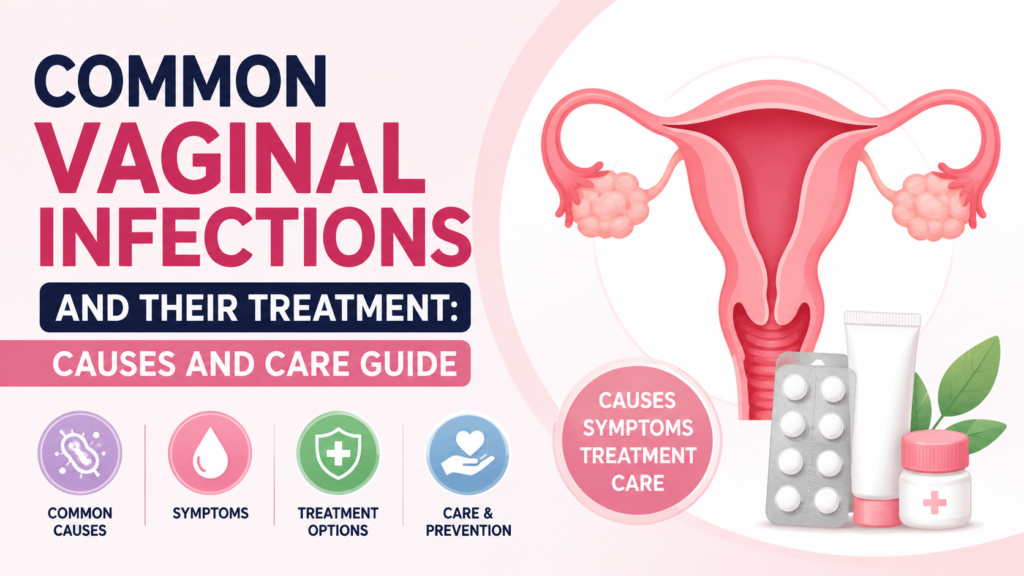
Understanding a vaginal infection is essential for maintaining reproductive health, as it can affect comfort, confidence, and overall well-being.
These infections are among the most common gynecological concerns faced by women across different age groups. They may result from bacterial imbalance, yeast overgrowth, or other microbial factors. While most cases are treatable, early identification plays a crucial role in preventing complications.
Good hygiene, timely care, and awareness of symptoms can significantly reduce risks and support long-term intimate health.
Causes and Risk Factors
A vaginal infection often develops due to an imbalance in the natural vaginal flora. The vagina maintains a delicate pH level, and any disruption can encourage harmful microorganisms to grow.
Common causes include antibiotic overuse, hormonal changes, unprotected sexual activity, and poor hygiene practices. Additional risk factors include diabetes, stress, tight synthetic clothing, and douching.
Key contributors include:
- Excessive use of scented hygiene products
- Weak immune system
- Hormonal fluctuations during pregnancy or menopause
- Frequent antibiotic intake
Lifestyle awareness and preventive habits are essential for reducing recurrence risk.
Symptoms to Watch For
A vaginal infection typically presents with noticeable discomfort that should not be ignored. Symptoms vary depending on the cause but often overlap, making observation important for early care.
Common symptoms include:
- Unusual vaginal discharge (thick, watery, or foul-smelling)
- Itching or irritation in the genital area
- Burning sensation during urination
- Redness or swelling
If symptoms persist or worsen, medical evaluation is strongly recommended to identify the exact cause and begin targeted treatment.

Types of Vaginal Infections
A vaginal infection can be classified into several types depending on the underlying pathogen. The most common forms include bacterial vaginosis, yeast infections, and trichomoniasis.
- Bacterial Vaginosis (BV): Caused by an imbalance of good and bad bacteria
- Yeast Infection: Caused by overgrowth of Candida fungus
- Trichomoniasis: A sexually transmitted infection caused by a parasite
Each type requires a different treatment approach, making accurate diagnosis essential for effective recovery.
Diagnosis and Medical Evaluation
A vaginal infection is diagnosed through a combination of physical examination and laboratory tests. Doctors may collect vaginal swabs to identify bacteria, yeast, or parasites. In some cases, pH testing is also used to determine imbalance levels.
Timely diagnosis ensures faster recovery and prevents complications such as pelvic infections or recurrent episodes. Self-diagnosis is not recommended, as symptoms often overlap between different conditions.
Treatment and Care Options
A vaginal infection is generally treatable with medication prescribed based on its cause. Antibiotics are commonly used for bacterial infections, while antifungal creams or oral tablets are used for yeast-related conditions. For sexually transmitted infections, both partners may need treatment.
Medical care should always be guided by a healthcare professional. In some cases, consulting a specialist at a trusted center, such as maternity hospital in sector 102 gurgaon, family health consultation in sector 102 gurgaon can ensure accurate diagnosis and safe treatment planning.
Additional care tips include:
- Wearing breathable cotton underwear
- Avoiding scented hygiene products
- Maintaining proper genital hygiene
- Completing the full course of prescribed medication
Proper adherence to treatment helps prevent recurrence and restores vaginal balance effectively.

Prevention and Daily Care
A vaginal infection can often be prevented through simple lifestyle adjustments. Maintaining hygiene and supporting natural bacterial balance are key steps in long-term prevention.
Preventive measures:
- Practice safe sex and use protection
- Avoid douching or harsh cleansers
- Change out of wet clothing quickly
- Maintain a balanced diet rich in probiotics
Regular health check-ups also help in early detection and prevention of recurring issues.
When to See a Doctor
A vaginal infection should be medically evaluated if symptoms persist for more than a few days or worsen despite home care. Warning signs include severe pain, unusual bleeding, fever, or recurring infections.
Delaying treatment can lead to complications affecting reproductive health. Early consultation ensures accurate diagnosis and faster relief.
Conclusion
A vaginal infection is a common but manageable condition when addressed early with proper care and medical guidance. Understanding its causes, symptoms, and treatment options empowers women to take proactive steps toward better reproductive health. With good hygiene practices, timely diagnosis, and appropriate medication, most cases can be effectively treated and prevented from recurring. Prioritizing intimate health not only improves comfort but also supports overall wellbeing and confidence in daily life.