Causes of Fibroids in Women: Symptoms and Treatment Options Explained

Common Vaginal Infections and Their Treatment: Causes and Care Guide
June 24, 2026
Ovarian Cyst Removal: Everything You Need to Know Before Surgery
July 2, 2026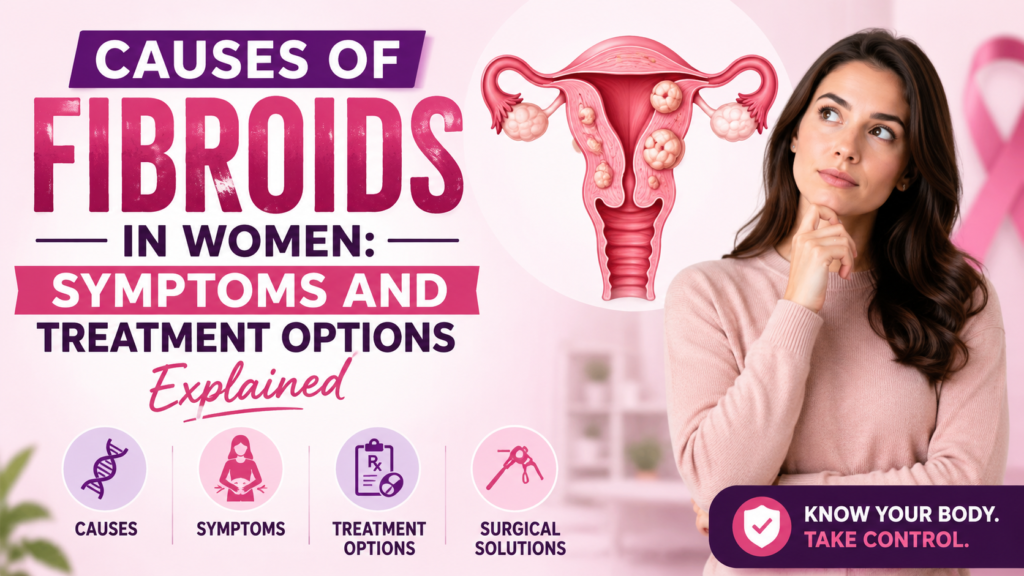
Uterine fibroids are one of the most common non-cancerous growths that develop in the uterus during a woman’s reproductive years. While many women experience no symptoms, others may struggle with heavy bleeding, pelvic pain, fertility concerns, or pregnancy complications. Understanding the causes in women is essential for early diagnosis, effective treatment, and better reproductive health.
In this guide, we’ll explain what fibroids are, their symptoms, possible causes, available treatment options, and when you should seek medical attention.
What Are Uterine Fibroids?
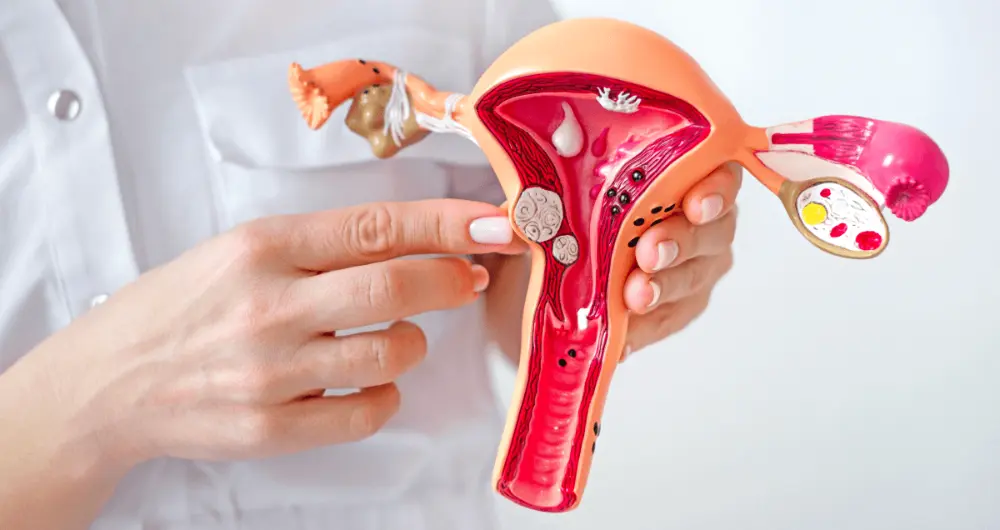
Uterine fibroids, also known as leiomyomas or myomas, are benign tumors that develop from the muscular tissue of the uterus. They can vary in size, from tiny, undetectable nodules to large masses that may enlarge the uterus. Fibroids can appear individually or in clusters and may grow inside, outside, or within the uterine wall.
Although fibroids are usually non-cancerous, they can significantly affect a woman’s quality of life if left untreated.
Fibroids Causes in Women
The exact causes of fibroids in women are still being researched, but experts believe that several factors contribute to their development.
- Hormonal Changes – Estrogen and progesterone play a significant role in fibroid growth. These reproductive hormones stimulate the uterine lining and can also encourage fibroids to grow, especially during the reproductive years.
- Genetic Factors – Women with a family history of fibroids have a higher chance of developing them. Certain genetic mutations found in fibroid cells may also contribute to their formation.
- Age and Reproductive Years – The risk of developing fibroids increases between the ages of 30 and 50. They often shrink naturally after menopause due to reduced hormone levels.
- Lifestyle and Obesity – Being overweight, consuming a diet high in red meat, and leading a sedentary lifestyle may increase the likelihood of developing fibroids. These lifestyle factors are considered important causes of fibroids in women and can often be modified through healthier habits.
- Vitamin D Deficiency – Emerging research suggests that low vitamin D levels may be associated with an increased risk of fibroids, although more studies are needed to confirm this relationship.
Common Symptoms of Uterine Fibroids
Not every woman with fibroids experiences symptoms. However, depending on their size and location, common signs include:
- Heavy or prolonged menstrual bleeding
- Pelvic pain or pressure
- Frequent urination
- Constipation
- Lower back pain
- Pain during intercourse
- Difficulty conceiving or recurrent pregnancy loss
- Enlarged abdomen
Women experiencing persistent heavy bleeding should consult a gynecologist promptly. If you’re looking for menstrual disorders treatment in sector 102 gurgaon, choosing a hospital with experienced women’s health specialists can help ensure timely diagnosis and personalized care.
How Are Fibroids Diagnosed?
Doctors typically diagnose fibroids through:
- Pelvic examination
- Ultrasound imaging
- MRI scan for detailed assessment
- Hysteroscopy
- Sonohysterography
Early diagnosis helps determine whether monitoring or treatment is necessary. Understanding the causes of fibroids in women alongside diagnostic findings enables healthcare providers to recommend the most appropriate treatment plan.
Treatment Options for Uterine Fibroids
Treatment depends on the size of the fibroids, the severity of symptoms, age, and future pregnancy plans.
Medications
Doctors may prescribe:
- Hormonal medications to regulate bleeding
- Gonadotropin-releasing hormone (GnRH) agonists
- Pain relievers
- Iron supplements for anemia caused by heavy bleeding
Medication can effectively manage symptoms but may not permanently eliminate fibroids.
Minimally Invasive Procedures
Several non-surgical treatments are available, including:
- Uterine artery embolization (UAE)
- MRI-guided focused ultrasound surgery
- Endometrial ablation (for selected cases)
These options preserve the uterus and often involve shorter recovery times.
Surgical Treatment
When fibroids are large or symptoms are severe, surgery may be recommended.
Options include:
- Myomectomy (removes fibroids while preserving the uterus)
- Hysterectomy (complete removal of the uterus for women who do not plan future pregnancies)
Choosing the right treatment depends on understanding the underlying causes of fibroids in women, symptom severity, and reproductive goals.
Can Fibroids Be Prevented?
Although fibroids cannot always be prevented, adopting a healthy lifestyle may reduce your risk.
Actionable Tips
- Maintain a healthy body weight.
- Eat more fruits, vegetables, and whole grains.
- Limit processed foods and excessive red meat.
- Exercise regularly.
- Get routine gynecological checkups.
- Manage blood pressure and vitamin D levels.
These healthy habits may reduce some risk factors associated with fibroids in women while supporting overall reproductive wellness.

When Should You See a Doctor?
Seek medical attention if you experience:
- Heavy menstrual bleeding lasting longer than seven days
- Severe pelvic pain
- Difficulty becoming pregnant
- Frequent urination caused by pelvic pressure
- Symptoms of anemia, such as fatigue or dizziness
Women planning pregnancy should not ignore fibroid symptoms, as early intervention may improve fertility outcomes. Choosing a trusted maternity hospital in sector 102 gurgaon can provide access to experienced obstetricians and gynecologists who specialize in managing fibroids during pregnancy.
Quick Takeaways
- Fibroids are common, non-cancerous growths in the uterus.
- Hormones, genetics, obesity, age, and lifestyle all contribute to fibroid causes in women.
- Symptoms range from heavy bleeding to fertility challenges.
- Treatment options include medications, minimally invasive procedures, and surgery.
- Early diagnosis leads to better treatment outcomes and improved quality of life.
- Maintaining a healthy lifestyle may reduce certain risk factors linked to the causes of fibroids in women.
Conclusion
Understanding the causes of fibroids in women empowers women to recognize symptoms early and make informed healthcare decisions. Although fibroids are usually benign, they can significantly impact menstrual health, fertility, and daily life if left untreated.
Fortunately, advances in diagnosis and treatment offer effective solutions tailored to individual needs. If you notice persistent symptoms such as heavy bleeding, pelvic pain, or fertility concerns, consult a qualified gynecologist for a comprehensive evaluation.
Early diagnosis, appropriate treatment, and regular follow-up remain the best approach to managing uterine fibroids and protecting long-term reproductive health.