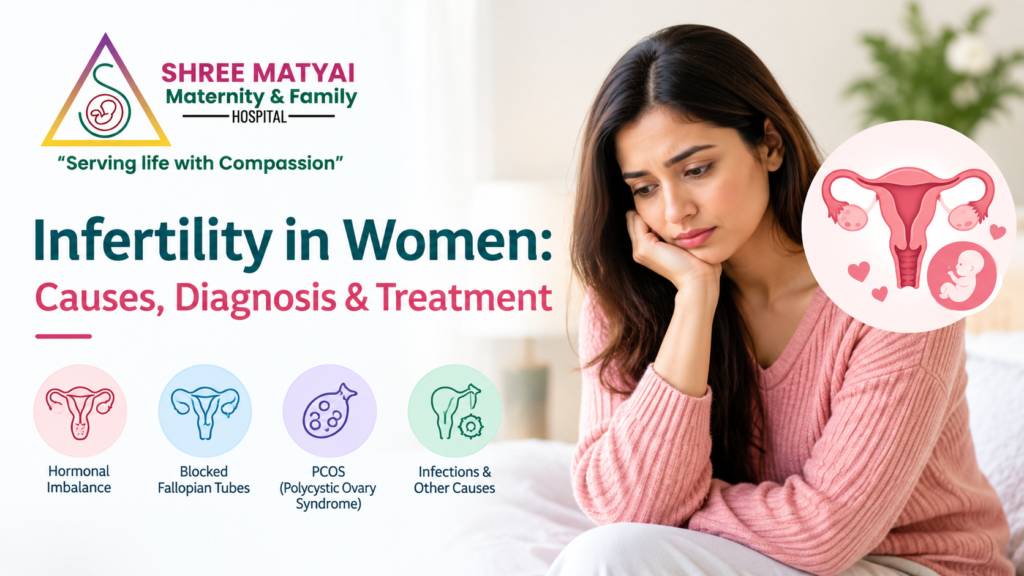
Ovarian Cyst Removal: Everything You Need to Know Before Surgery

Causes of Fibroids in Women: Symptoms and Treatment Options Explained
June 27, 2026
Hysterectomy Explained: Types, Benefits, Risks, and Recovery Guide
July 4, 2026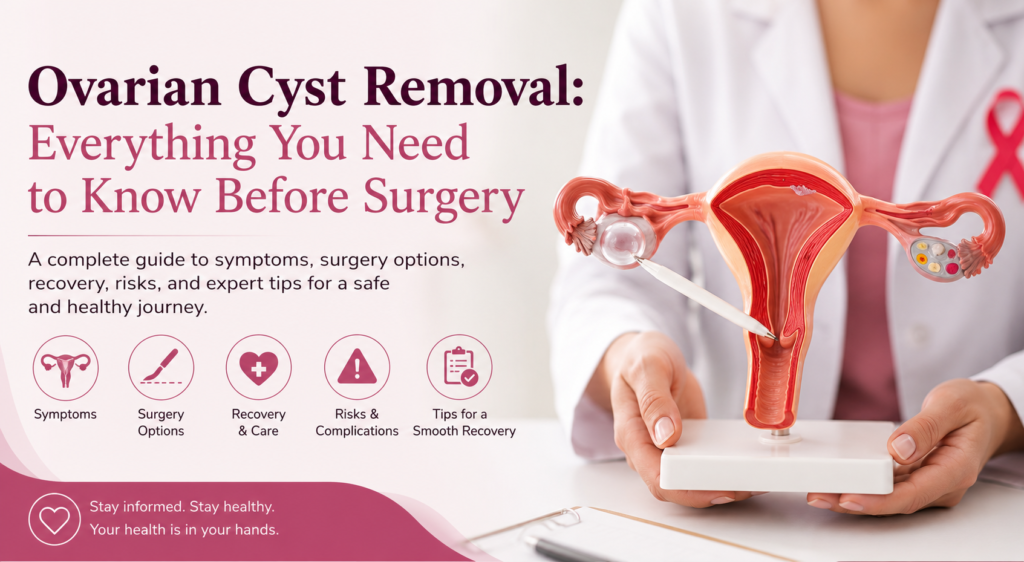
Ovarian cysts are a common health condition that affects many women at different stages of life. In most cases, these fluid-filled sacs develop on or inside the ovaries and disappear naturally without causing any symptoms. However, some ovarian cysts become large, painful, or lead to complications that require surgical treatment. If you experience persistent pelvic pain, irregular menstrual cycles, or other concerning symptoms, consulting specialists at a trusted maternity hospital in sector 102 gurgaon can help ensure an accurate diagnosis and timely treatment, including surgical care when neces
If your doctor has recommended ovarian cyst removal surgery, it is natural to have questions and concerns. Understanding the procedure, its benefits, possible risks, and recovery process can help you feel more prepared and confident.
In this guide, we will explain everything you need to know before ovarian cyst surgery, including when it is needed, the different surgical options available, and how to recover safely.
What Is an Ovarian Cyst?
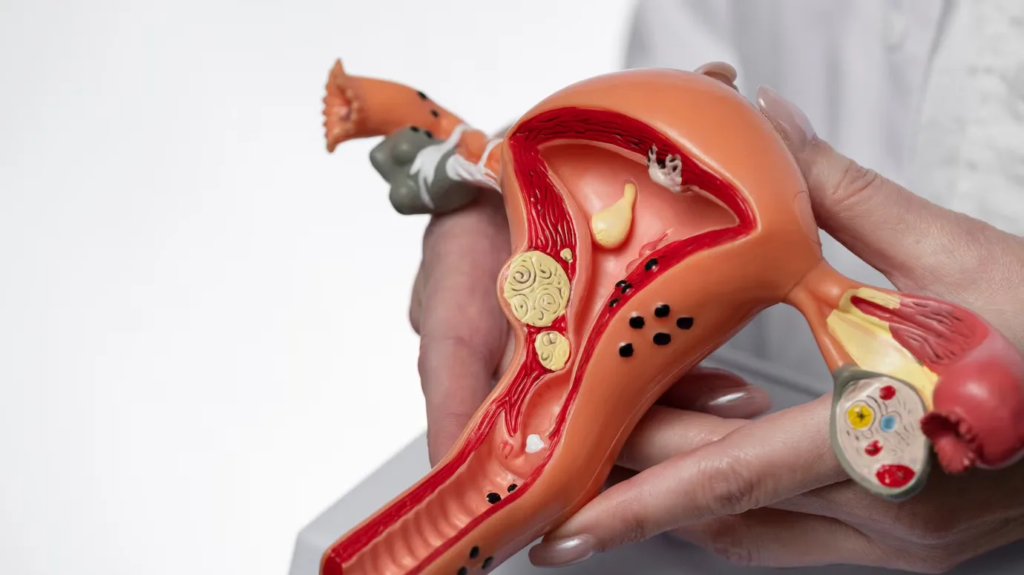
An ovarian cyst is a fluid-filled sac that develops on or inside an ovary. Many women develop ovarian cysts during their reproductive years as part of the normal menstrual cycle. These are known as functional cysts and usually disappear within a few weeks or months without treatment.
Some cysts, however, are not related to ovulation and may continue to grow. These include:
- Dermoid cysts
- Endometriomas
- Cystadenomas
- Polycystic ovarian cysts
- Hemorrhagic cysts
Although most ovarian cysts are non-cancerous, they should be evaluated by a qualified gynecologist to determine the best course of treatment.
When Is Ovarian Cyst Removal Necessary?
Not every ovarian cyst requires surgery. Your healthcare provider may recommend regular monitoring if the cyst is small and not causing symptoms.
Surgery may be recommended if:
- The cyst is larger than 5 to 10 centimeters.
- It continues to grow over time.
- It causes severe pelvic pain.
- There is suspicion of ovarian cancer.
- The cyst twists the ovary (ovarian torsion).
- The cyst ruptures and causes internal bleeding.
- It interferes with fertility or reproductive health.
- The cyst persists after several menstrual cycles.
Timely treatment helps prevent complications and protects long-term ovarian health.
Common Symptoms That May Require Medical Attention
Many ovarian cysts produce no symptoms. However, larger or more complex cysts may cause noticeable discomfort.
Common symptoms include:
- Persistent pelvic pain
- Pain during intercourse
- Bloating or abdominal swelling
- Frequent urination
- Irregular menstrual cycles
- Difficulty emptying the bladder
- Lower back pain
- Sudden severe abdominal pain
If you experience sudden, intense pain along with fever, vomiting, dizziness, or fainting, seek immediate medical attention as this could indicate a medical emergency.
Types of Ovarian Cyst Removal Surgery
The type of surgery depends on the size, type, and location of the cyst, as well as your age and overall health.
Laparoscopic Surgery
Laparoscopic surgery, also known as minimally invasive surgery, is the most common procedure for removing benign ovarian cysts.
During this procedure:
- Small incisions are made in the abdomen.
- A tiny camera is inserted to guide the surgeon.
- Specialized instruments remove the cyst while preserving healthy ovarian tissue whenever possible.
Benefits include:
- Smaller scars
- Less pain
- Lower risk of infection
- Shorter hospital stay
- Faster recovery
Open Surgery (Laparotomy)
Open surgery may be required if:
- The cyst is very large.
- Cancer is suspected.
- There are complications such as rupture or severe bleeding.
A larger incision is made in the abdomen to safely remove the cyst. Recovery usually takes longer than laparoscopic surgery.
How to Prepare Before Surgery
Proper preparation can reduce anxiety and improve surgical outcomes.
Before surgery, your doctor may recommend:
- Blood tests
- Pelvic ultrasound
- MRI or CT scan if needed
- Pregnancy test
- ECG for heart evaluation
- Medication review
You may also be advised to:
- Avoid eating or drinking for several hours before surgery.
- Stop certain medications if instructed.
- Arrange transportation home after the procedure.
- Wear comfortable clothing on the day of surgery.
- Follow all hospital instructions carefully.
Being well-prepared helps ensure a smoother surgical experience.
What Happens During the Procedure?
Ovarian cyst removal surgery is usually performed under general anesthesia.
The procedure generally includes:
- Administration of anesthesia
- Small or large abdominal incision depending on the surgical method
- Careful removal of the cyst
- Preservation of healthy ovarian tissue whenever possible
- Closing the incision with stitches or surgical glue
The surgery may take between one and three hours depending on the complexity of the cyst.
Recovery After Ovarian Cyst Removal
Recovery time depends on the type of surgery performed.
After laparoscopic surgery:
- Most patients return home the same day.
- Normal activities can usually resume within one to two weeks.
After open surgery:
- Hospital stay may last two to four days.
- Full recovery usually takes four to six weeks.
During recovery:
- Get plenty of rest.
- Drink enough water.
- Eat nutritious foods.
- Avoid lifting heavy objects.
- Take medications exactly as prescribed.
- Attend follow-up appointments.
Your doctor will provide personalized recovery instructions based on your condition.
Possible Risks and Complications
Like any surgical procedure, ovarian cyst removal carries certain risks, although serious complications are uncommon.
Possible risks include:
- Infection
- Bleeding
- Blood clots
- Damage to nearby organs
- Scar tissue formation
- Reaction to anesthesia
- Recurrence of ovarian cysts
Choosing an experienced gynecologic surgeon significantly reduces these risks.
Will Surgery Affect Fertility?
Many women worry about fertility before ovarian cyst surgery.
In most cases, surgeons aim to preserve as much healthy ovarian tissue as possible, especially in women who wish to have children in the future. Removing only the cyst usually does not affect fertility.
However, if the cyst has severely damaged the ovary or if cancer is present, additional treatment may be necessary.
Discuss your family planning goals with your doctor before surgery so the most appropriate treatment plan can be developed.
Lifestyle Tips for Better Ovarian Health
Although not all ovarian cysts can be prevented, maintaining a healthy lifestyle supports overall reproductive health.
Helpful habits include:
- Schedule regular gynecological check-ups.
- Maintain a healthy body weight.
- Exercise regularly.
- Eat a balanced diet rich in fruits and vegetables.
- Manage stress effectively.
- Monitor menstrual cycle changes.
- Seek medical advice if symptoms persist.
Early diagnosis often leads to simpler treatment and better outcomes.
Questions to Ask Your Surgeon Before Surgery
Being informed helps you make confident healthcare decisions.
Consider asking:
- What type of cyst do I have?
- Is surgery absolutely necessary?
- Which surgical method is best for me?
- What are the possible risks?
- How long will recovery take?
- Will my fertility be affected?
- What precautions should I take after surgery?
- How likely is the cyst to return?
Having these discussions ensures you understand every step of your treatment.

Conclusion
Ovarian cyst removal surgery is a safe and effective treatment for cysts that cause pain, continue to grow, or pose potential health risks. Modern surgical techniques, particularly laparoscopic surgery, offer quicker recovery, less discomfort, and excellent outcomes for most patients.
Understanding the reasons for surgery, preparing properly, and following your doctor’s recovery instructions can make the experience much smoother. If you have persistent pelvic pain, irregular symptoms, or have been diagnosed with an ovarian cyst, consult an experienced gynecologist to discuss the most suitable treatment options. If the cyst is affecting your reproductive health or future pregnancy plans, seeking expert guidance for infertility treatment in sector 102 gurgaon care can help you receive comprehensive evaluation and personalized fertility care alongside appropria
Early diagnosis and timely medical care play an important role in protecting your reproductive health and ensuring long-term well-being.