What Diet Plan Should You Follow During Monthly Cramps? A Complete Nutritional Guide

Menopause: Understanding the Transition and Embracing a Healthier Future
June 13, 2026
Stretch Marks in Pregnancy: Causes, Prevention, and Effective Care
June 20, 2026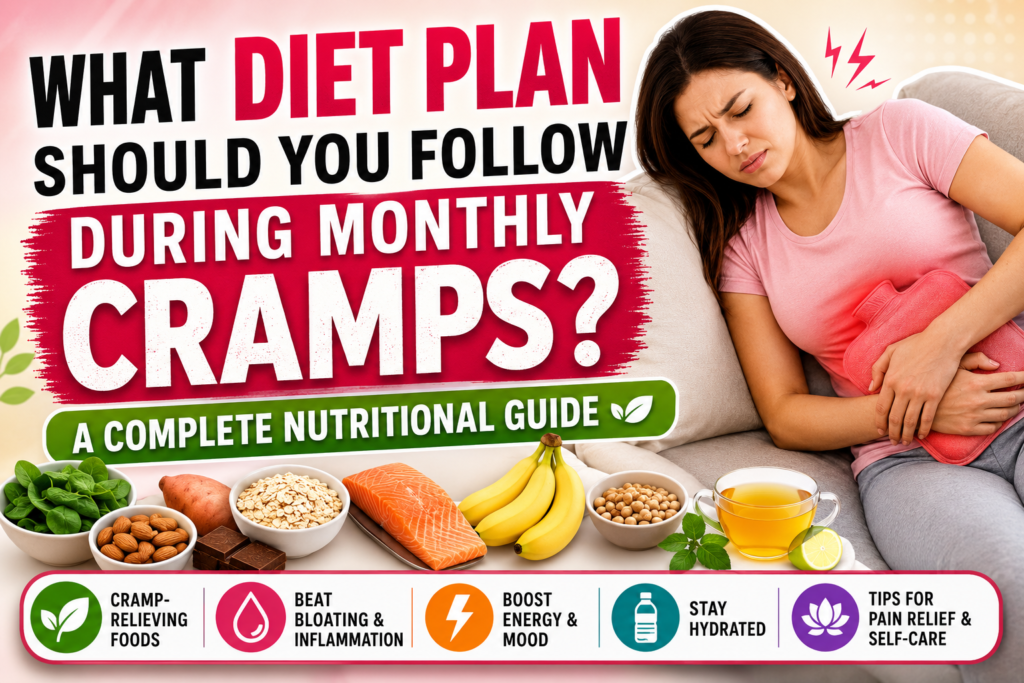
Menstrual cramps, medically known as dysmenorrhea, are one of the most common concerns experienced by women during their menstrual cycle. While mild cramping is considered normal, moderate to severe pain can interfere with daily activities, reduce productivity, and impact overall quality of life. Along with medical care and a healthy lifestyle, a well-balanced diet plays a crucial role in minimizing menstrual discomfort and supporting hormonal balance.
The foods consumed before and during menstruation can influence inflammation, muscle contractions, hydration, and energy levels. By choosing nutrient-dense foods and avoiding inflammatory dietary habits, women can significantly reduce the severity of cramps and other menstrual symptoms.
Understanding Menstrual Cramps
Menstrual cramps occur when the uterus contracts to shed its lining. These contractions are triggered by hormone-like substances called prostaglandins. Higher levels of prostaglandins are associated with stronger uterine contractions, resulting in more intense pain.
Common symptoms accompanying menstrual cramps include:
- Lower abdominal pain
- Backache
- Fatigue
- Bloating
- Headaches
- Nausea
- Mood swings
- Reduced energy levels
Although these symptoms are common, maintaining a nutrient-rich diet can help manage them more effectively.
The Importance of Nutrition During Menstruation
A balanced diet provides essential vitamins, minerals, and healthy fats that support the body’s natural functions throughout the menstrual cycle.
Proper nutrition helps to:
- Reduce inflammation
- Relax uterine muscles
- Maintain hormonal balance
- Replace nutrients lost during menstrual bleeding
- Improve energy levels
- Support emotional well-being
- Minimize bloating and water retention
Making mindful food choices during your period can contribute to a more comfortable menstrual experience.
Essential Nutrients That Help Reduce Menstrual Cramps
1. Iron
Menstrual blood loss may lead to decreased iron levels, particularly in women with heavy periods. Low iron stores can contribute to fatigue, weakness, and dizziness.
Excellent dietary sources include:
- Spinach
- Lentils
- Chickpeas
- Kidney beans
- Beetroot
- Lean meat
- Eggs
- Tofu
For better absorption, combine iron-rich foods with Vitamin C-rich fruits such as oranges, kiwi, or lemons.
2. Magnesium
Magnesium supports muscle relaxation and may help reduce the intensity of uterine contractions responsible for menstrual cramps.
Rich sources include:
- Almonds
- Pumpkin seeds
- Cashews
- Sunflower seeds
- Whole grains
- Bananas
- Dark chocolate (in moderation)
3. Calcium
Calcium plays an essential role in healthy muscle function and may help decrease menstrual discomfort.
Calcium-rich foods include:
- Milk
- Yogurt
- Cheese
- Soy products
- Sesame seeds
- Green leafy vegetables
4. Omega-3 Fatty Acids
Omega-3 fatty acids possess natural anti-inflammatory properties that may reduce menstrual pain and improve overall reproductive health.
Include foods such as:
- Salmon
- Sardines
- Mackerel
- Walnuts
- Flaxseeds
- Chia seeds
5. Vitamin B6
Vitamin B6 contributes to hormone regulation and may help reduce mood changes, irritability, and bloating commonly experienced before and during menstruation.
Good sources include:
- Bananas
- Potatoes
- Oats
- Chicken
- Fish
- Sunflower seeds
6. Vitamin D
Vitamin D supports calcium absorption and healthy muscle function, which may help alleviate menstrual discomfort.
Natural sources include:
- Egg yolks
- Fatty fish
- Fortified dairy products
- Moderate sunlight exposure
Recommended Foods During Monthly Cramps
Leafy Green Vegetables
Vegetables such as spinach, fenugreek leaves, kale, and mustard greens are rich in iron, calcium, magnesium, and antioxidants. These nutrients support muscle relaxation while replenishing essential minerals lost during menstruation.
Fresh Fruits
Fresh fruits provide vitamins, minerals, antioxidants, and hydration that help reduce inflammation and improve energy levels.
Recommended fruits include:
- Watermelon
- Papaya
- Oranges
- Apples
- Berries
- Kiwi
- Pineapple
Whole Grains
Whole grains provide sustained energy and help stabilize blood sugar levels throughout the day.
Healthy choices include:
- Oats
- Brown rice
- Whole wheat
- Quinoa
- Millets
Nuts and Seeds
Nuts and seeds are excellent sources of healthy fats, magnesium, protein, and fiber that support hormonal health.
Include:
- Almonds
- Walnuts
- Pumpkin seeds
- Flaxseeds
- Chia seeds
Yogurt and Fermented Foods
Yogurt contains probiotics that promote digestive health while providing calcium and protein essential for muscle function.
Herbal Teas
Warm herbal beverages may provide natural relief from menstrual discomfort.
Beneficial options include:
- Ginger tea
- Chamomile tea
- Peppermint tea
- Cinnamon tea
These teas may help relax muscles and improve digestion.
Stay Hydrated
Adequate hydration is often overlooked during menstruation. Drinking sufficient fluids can reduce bloating, improve circulation, and support muscle function.
Aim to consume:
- 8–10 glasses of water daily
- Coconut water
- Lemon water
- Fresh fruit-infused water
- Vegetable soups
Proper hydration also helps minimize fatigue and supports overall well-being.
Foods to Limit During Menstruation
Certain dietary choices may worsen menstrual symptoms and should be consumed in moderation.
Processed and Salty Foods
High-sodium foods contribute to water retention and bloating.
Examples include:
- Packaged snacks
- Instant noodles
- Processed foods
- Pickles
Sugary Foods
Excess sugar may increase inflammation and lead to fluctuations in blood sugar, causing fatigue and mood swings.
Limit:
- Cakes
- Pastries
- Soft drinks
- Sweets
- Chocolates with high sugar content
Fried and Fast Foods
Deep-fried foods often contain unhealthy fats that may contribute to inflammation and digestive discomfort.
Excessive Caffeine
Large amounts of caffeine may increase anxiety, dehydration, and muscle tension.
Reduce intake of:
- Coffee
- Energy drinks
- Strong tea
Alcohol
Alcohol can contribute to dehydration, disturb sleep quality, and worsen menstrual discomfort.
Sample Diet Plan During Menstrual Cramps
Early Morning
- Warm lemon water
- 5 soaked almonds
- 2 walnuts
Breakfast
- Oatmeal topped with banana and flaxseeds
- Low-fat milk or yogurt
Mid-Morning
- Fresh orange or apple
- Coconut water
Lunch
- Brown rice or whole wheat chapati
- Lentil curry
- Spinach vegetable
- Mixed salad
- Yogurt
Evening Snack
- Ginger or chamomile tea
- Roasted chickpeas or mixed nuts
Dinner
- Grilled fish or paneer
- Steamed vegetables
- Quinoa or millet
- Fresh salad
Before Bed
- Warm turmeric milk or chamomile tea
Additional Lifestyle Recommendations
A nutritious diet should be complemented by healthy daily habits.
Engage in Regular Physical Activity
Light exercises such as walking, yoga, and stretching improve blood circulation and help relieve muscle tension.
Prioritize Quality Sleep
Aim for 7–9 hours of uninterrupted sleep each night to support hormonal regulation and physical recovery.
Manage Stress
Practices such as meditation, mindfulness, and deep breathing exercises can reduce stress, which may otherwise intensify menstrual symptoms.
Use Heat Therapy
Applying a warm heating pad or hot water bottle to the lower abdomen may help relax uterine muscles and provide temporary pain relief.
When Should You Seek Medical Advice?
While menstrual cramps are common, professional medical evaluation is recommended if you experience:
- Severe pelvic pain that disrupts daily activities
- Excessive menstrual bleeding
- Pain lasting beyond the menstrual period
- Sudden worsening of menstrual pain
- Fever or unusual vaginal discharge
- Persistent symptoms despite lifestyle modifications
These symptoms may indicate underlying gynecological conditions such as endometriosis, adenomyosis, uterine fibroids, or pelvic inflammatory disease that require timely diagnosis and treatment.
For women seeking specialized pregnancy and women’s healthcare services, choosing a trusted Maternity Hospital in Sector 102 Gurgaon ensures access to experienced gynecologists, advanced diagnostic facilities, and personalized treatment plans.
Conclusion
A healthy diet is one of the most effective natural approaches to managing menstrual cramps and promoting overall reproductive health. Incorporating iron-rich foods, leafy vegetables, whole grains, fruits, healthy fats, and adequate fluids can help reduce inflammation, replenish essential nutrients, and improve energy levels during menstruation.
Equally important is limiting processed foods, excessive sugar, caffeine, and unhealthy fats that may worsen symptoms. Combined with regular exercise, sufficient sleep, stress management, and professional medical guidance when necessary, a balanced nutritional plan can contribute significantly to a healthier and more comfortable menstrual cycle.